WHEN SHE'S
ON FUMES

Motion Design

Through the cluttered week, one must find peace and leisure to attain balance and serenity. Without doing so, another stressful week could carry on and the burden will stack on each other. Weed is one way people find to be their vice or even their moment of peace. It is a drug where people have found to be imbuing and inspirational, as well as healing.
“When Shes on Fumes” is about the process of smoking and finding serenity within oneself. Meditation and a moment of connecting with nature may be one’s form of feeling serenity. However, music and film is another method of finding a moment to feel in place from the cluttered mind. The scenes within this abstract motion expresses a form of enjoying leisure and vice.

The motion will take a music video approach with 3 scenes.

LION

Lion title sequence frame Lion title sequence frame Lion title sequence frame Lion title sequence frame Lion title sequence frame Lion title sequence frame Lion title sequence frame

Title Sequence

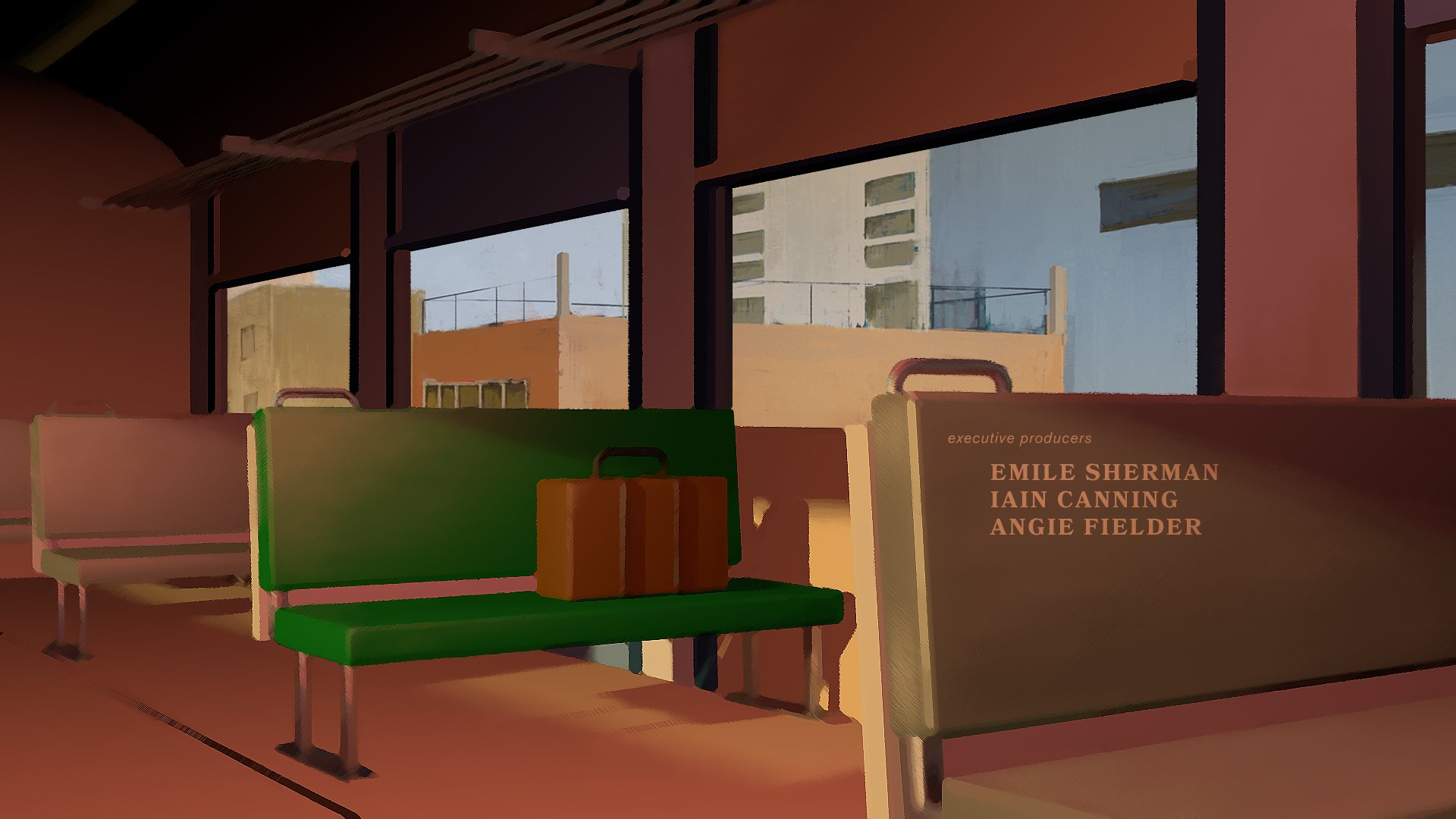
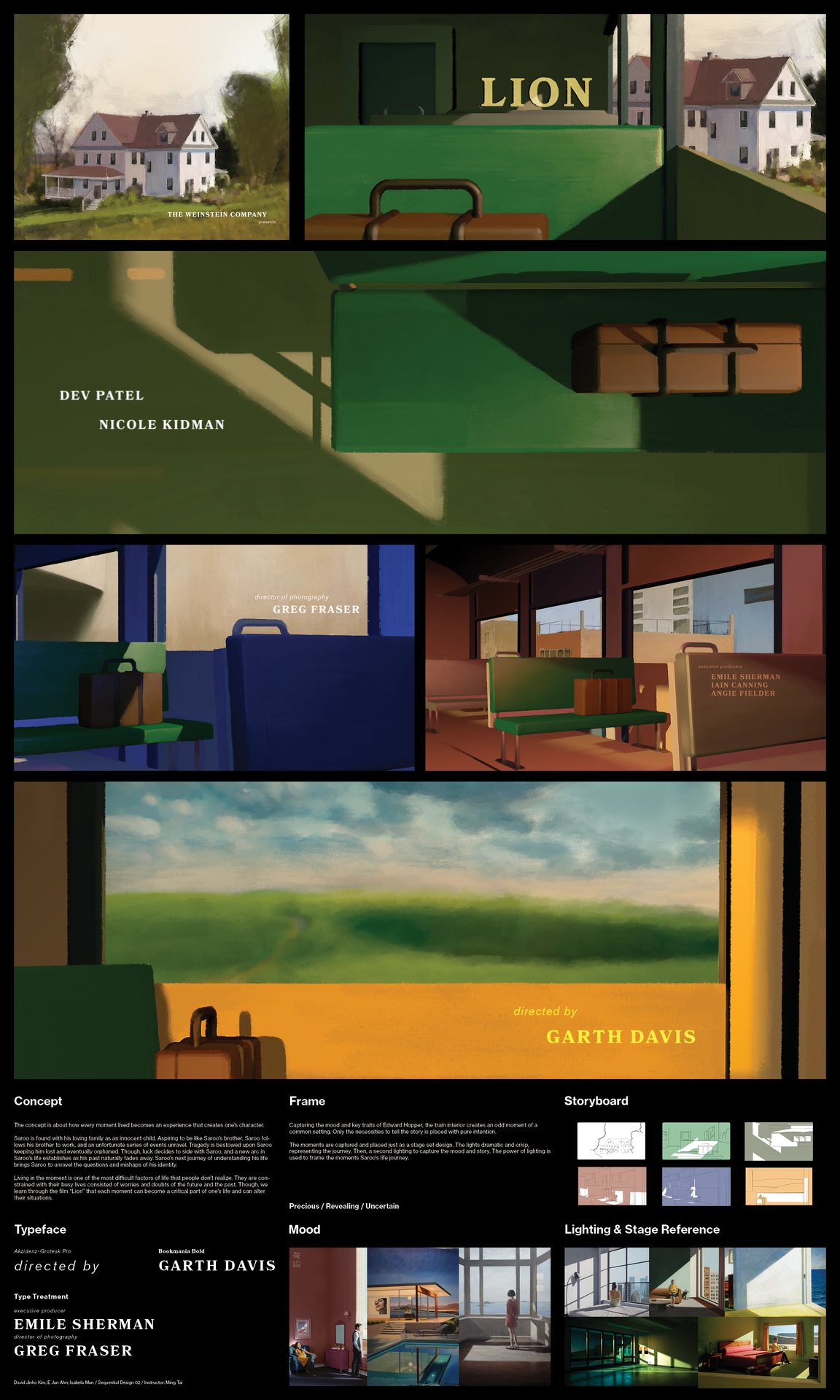
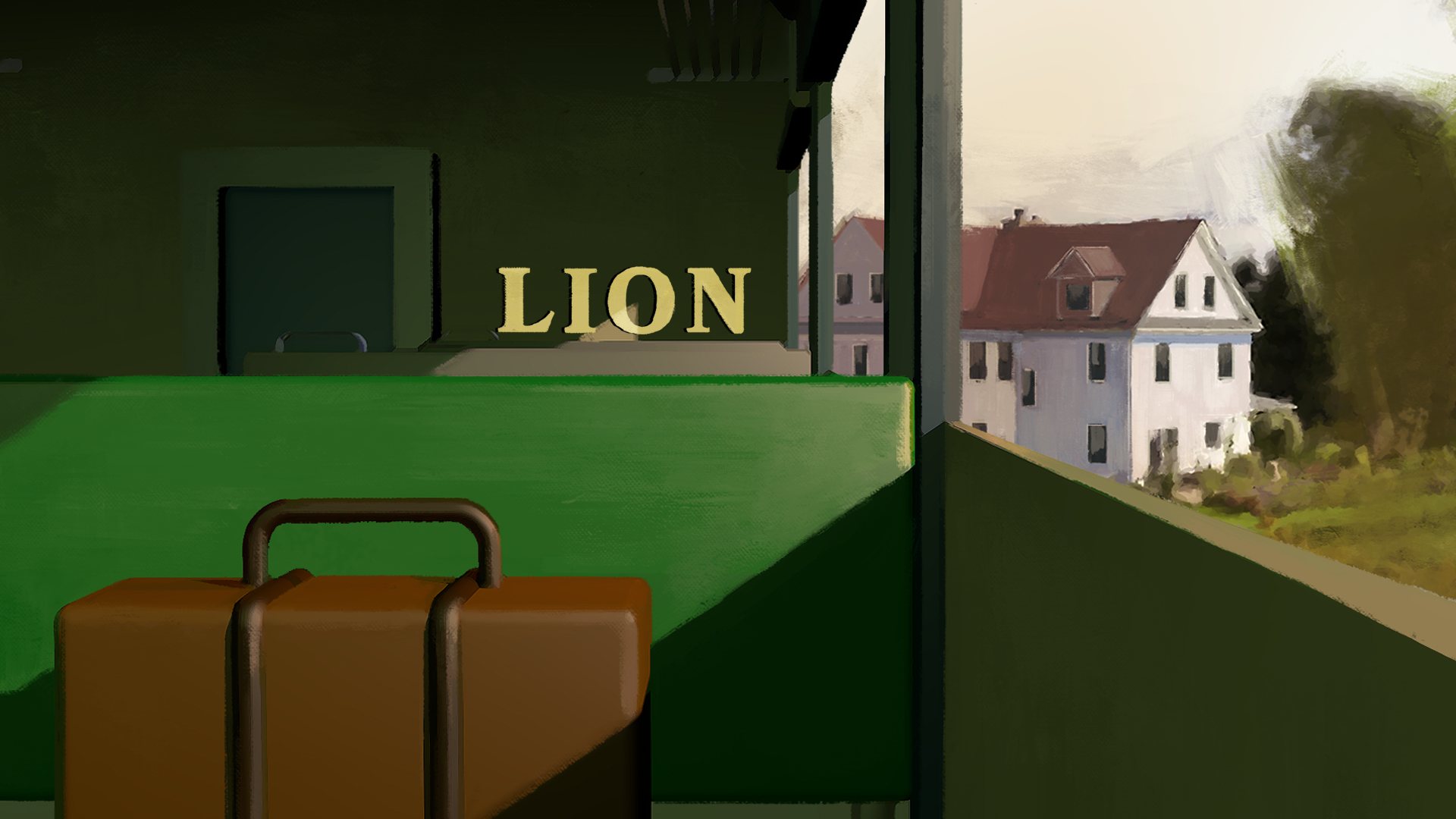
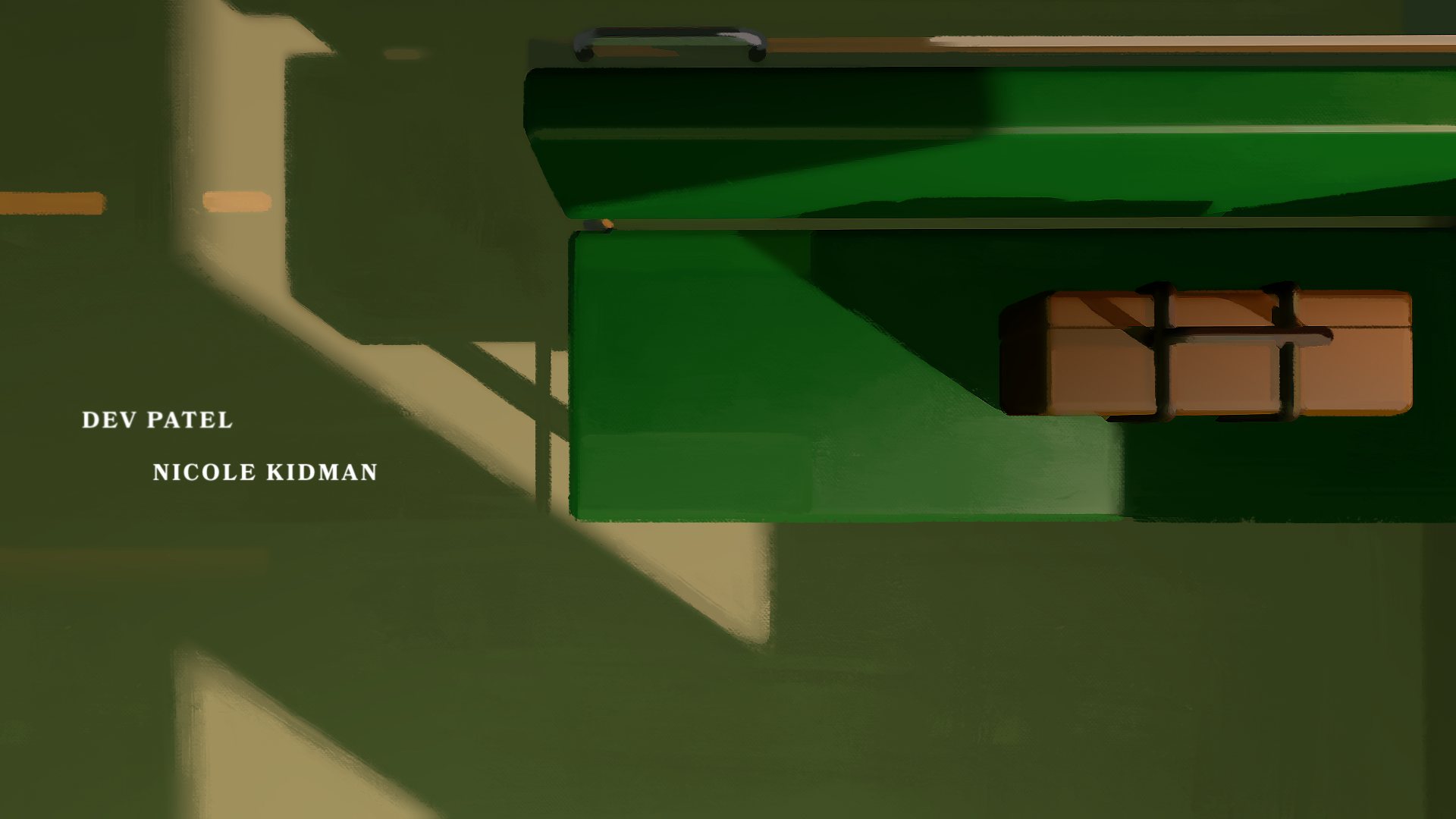
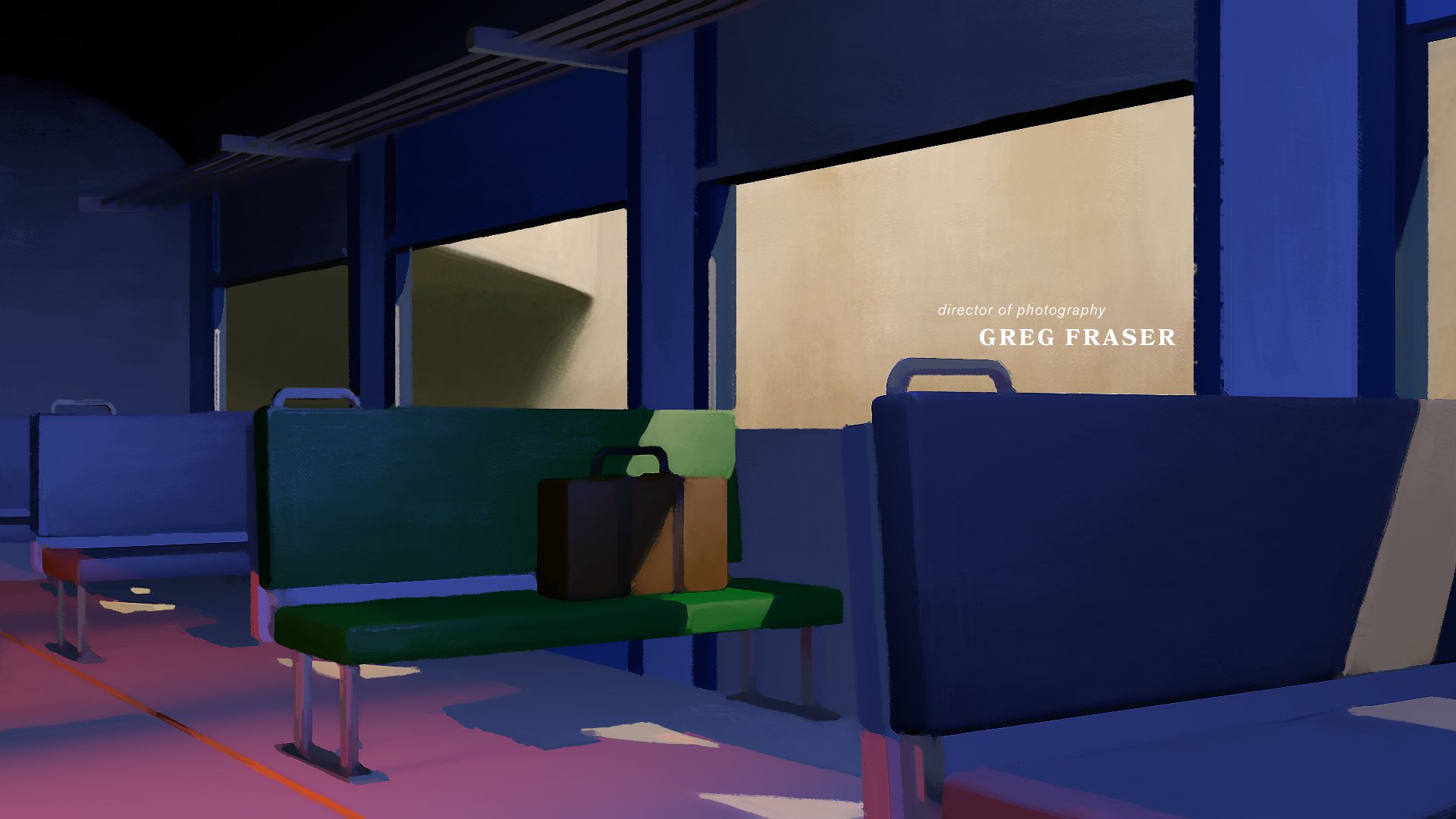
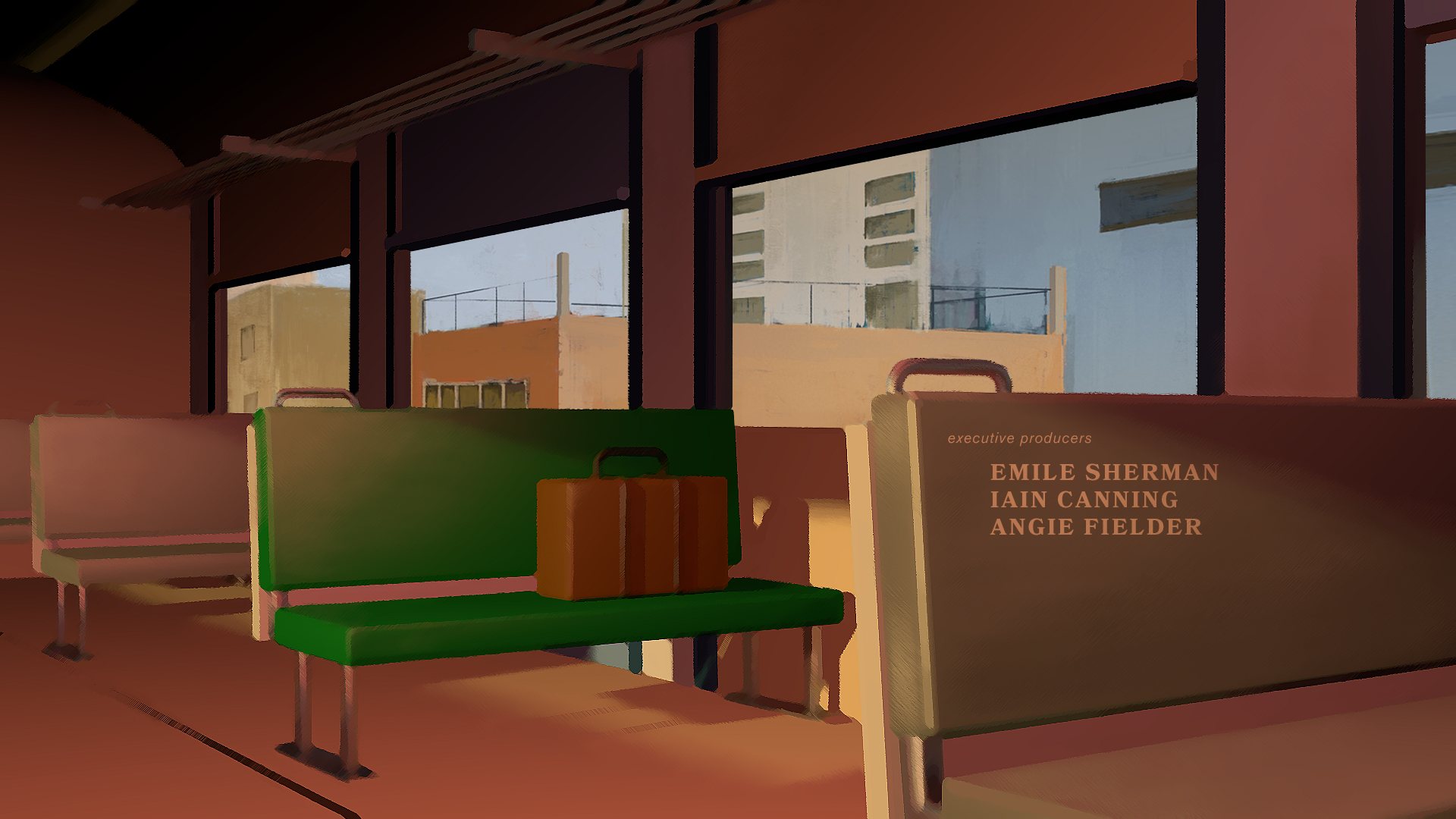
Lion follows Saroo, a child who loses his way home after a tragic series of events leaves him orphaned and displaced. The title sequence is built around the film's central idea: that every moment lived, no matter how small or painful, becomes part of who a person is. As Saroo grows and begins to unravel the questions surrounding his identity, the sequence captures that tension between innocence and the weight of experience, between what is lost and what quietly shapes a life.

The visual direction draws from Edward Hopper, whose work transforms ordinary settings into charged, emotionally loaded spaces through the power of dramatic light. Each scene was approached like a stage set, with deliberate simplicity and only what was necessary to tell the story. Two distinct lighting approaches were used throughout, one crisp and stark to represent the journey itself, the other warmer and atmospheric to carry the mood and emotional undercurrent. The result reflects the three qualities that define Saroo's story: precious, revealing, and uncertain.

HIDDEN
FIGURES

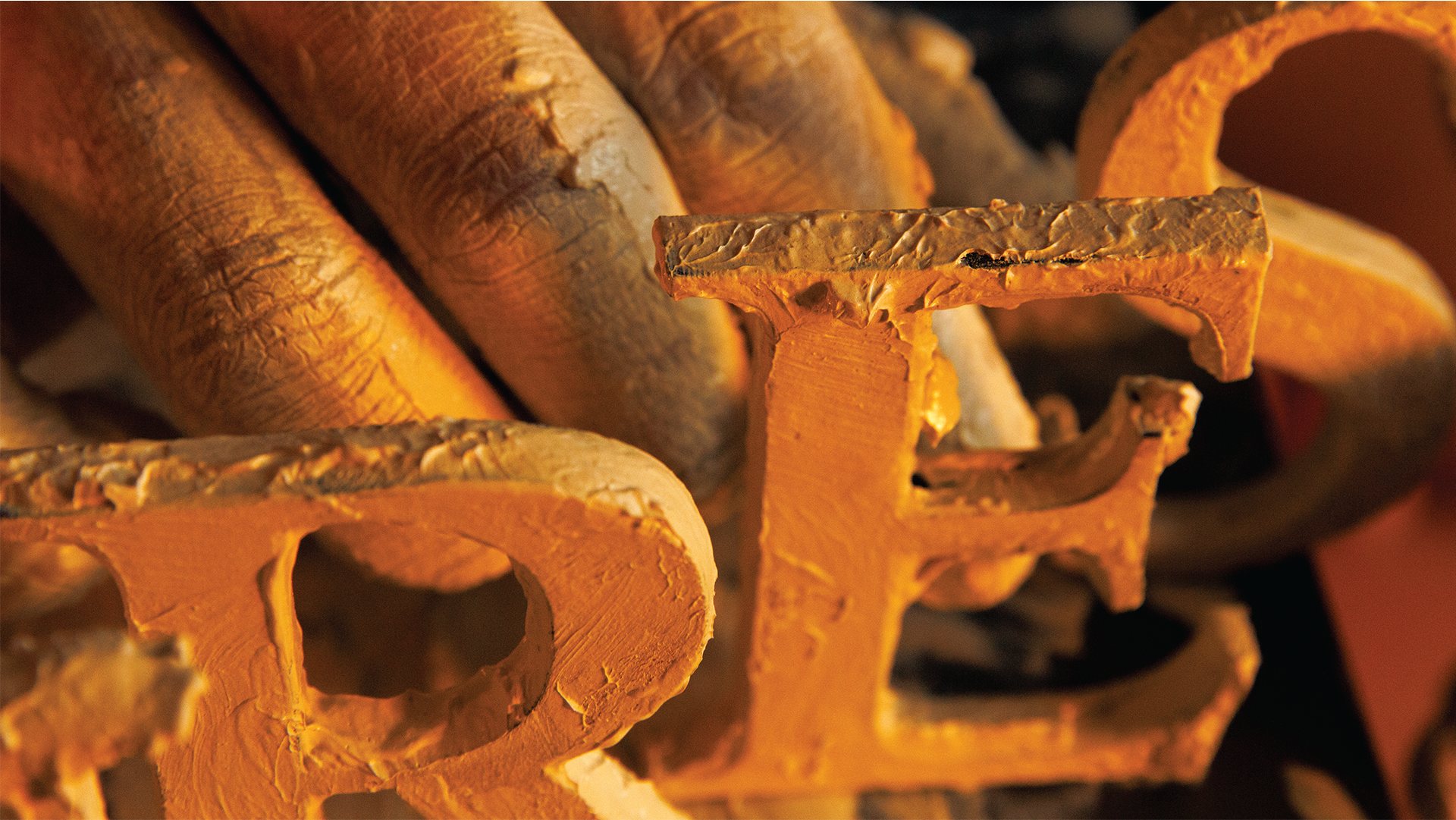
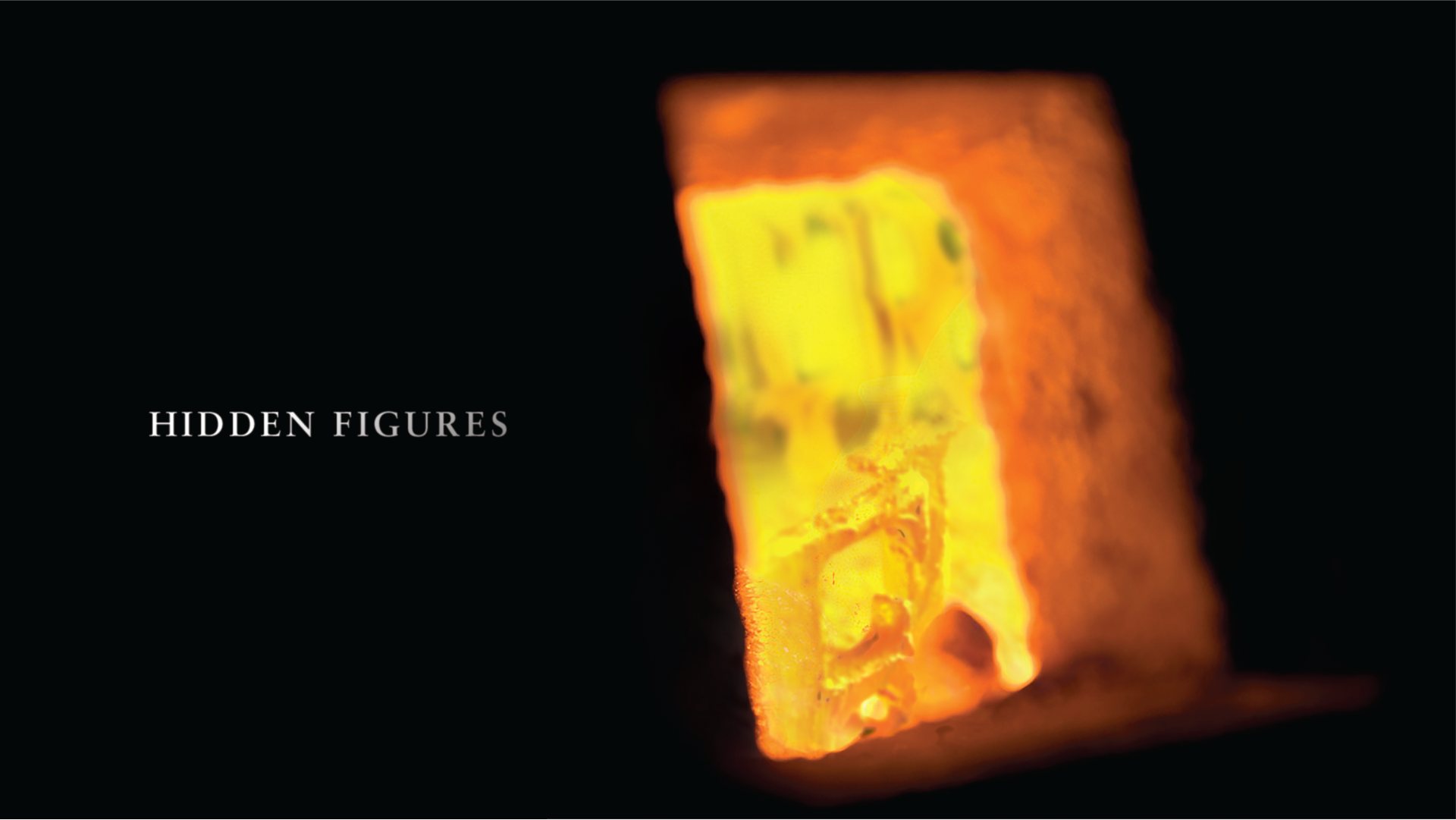
Hidden Figures title sequence frame Hidden Figures title sequence frame Hidden Figures title sequence frame Hidden Figures title sequence frame Hidden Figures title sequence frame Hidden Figures title sequence frame Hidden Figures title sequence frame Hidden Figures title sequence frame Hidden Figures title sequence frame Hidden Figures title sequence frame Hidden Figures title sequence frame

Title Sequence

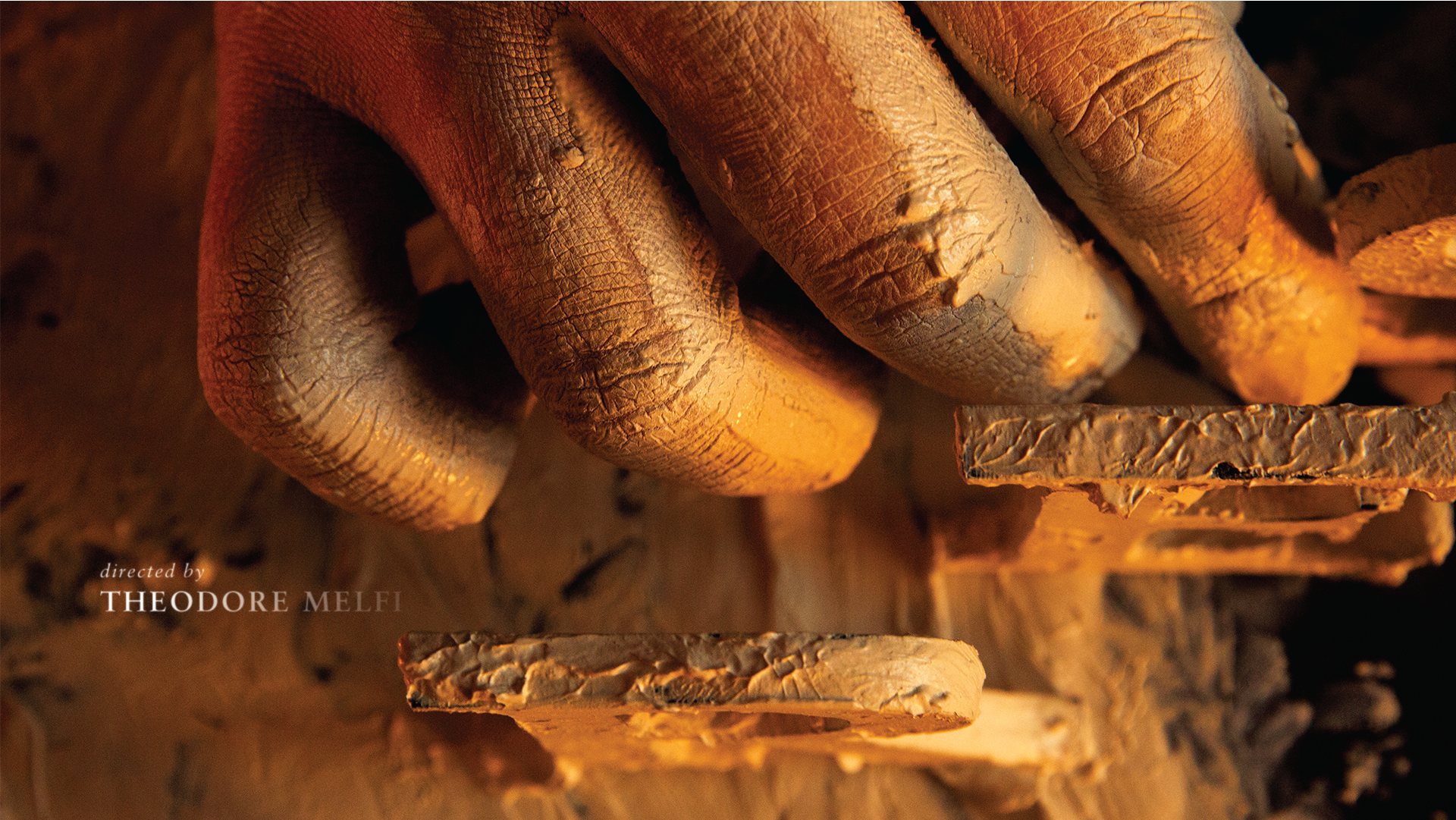
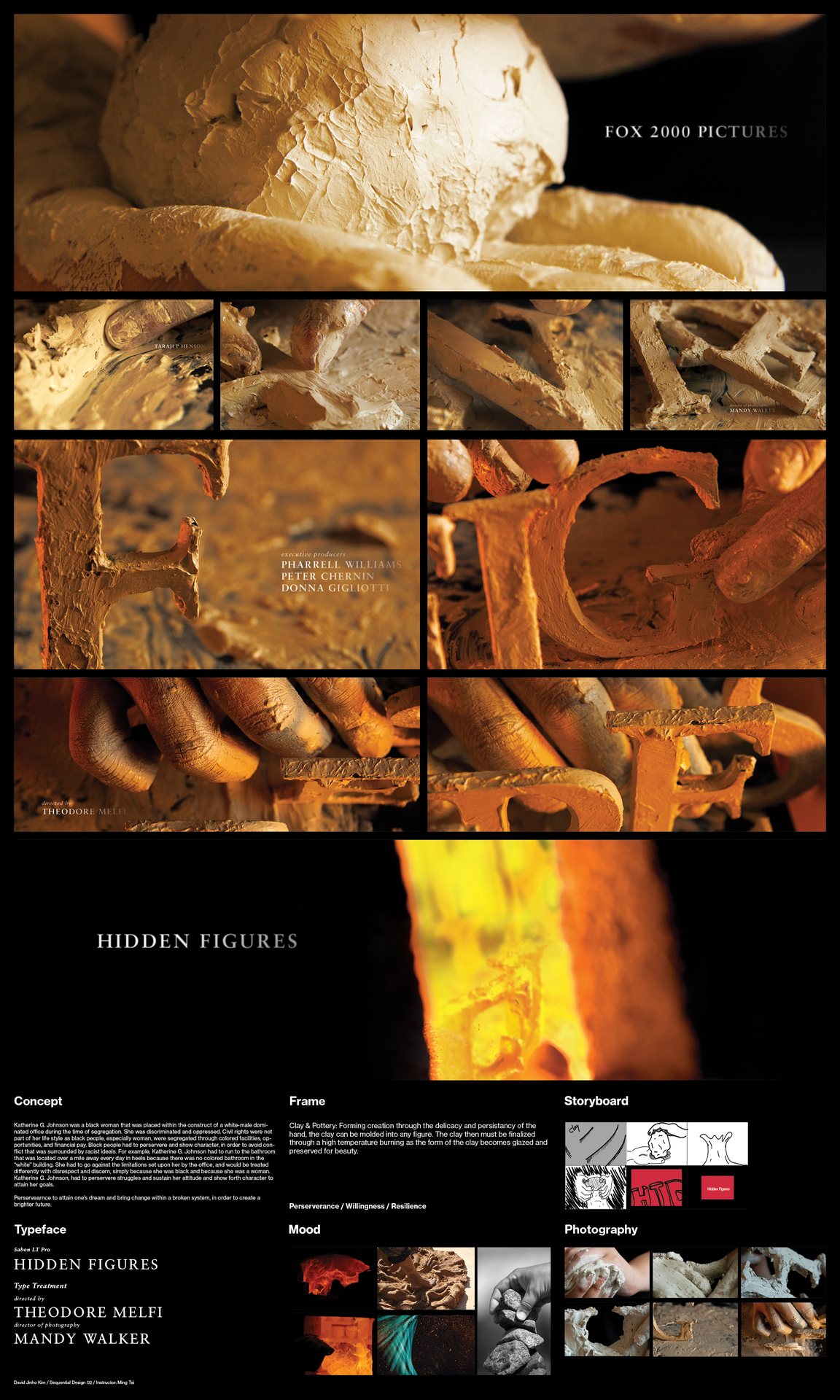
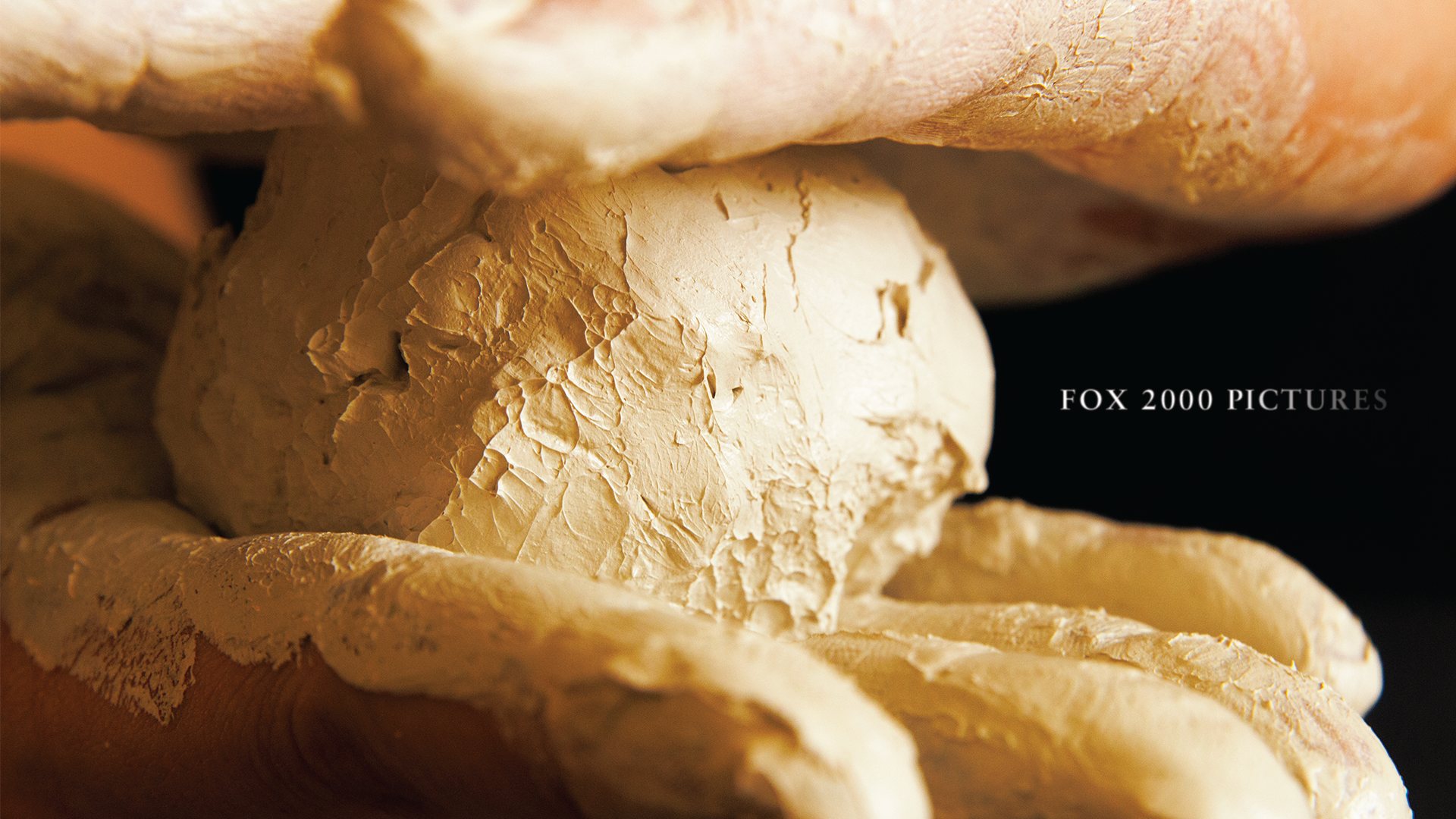
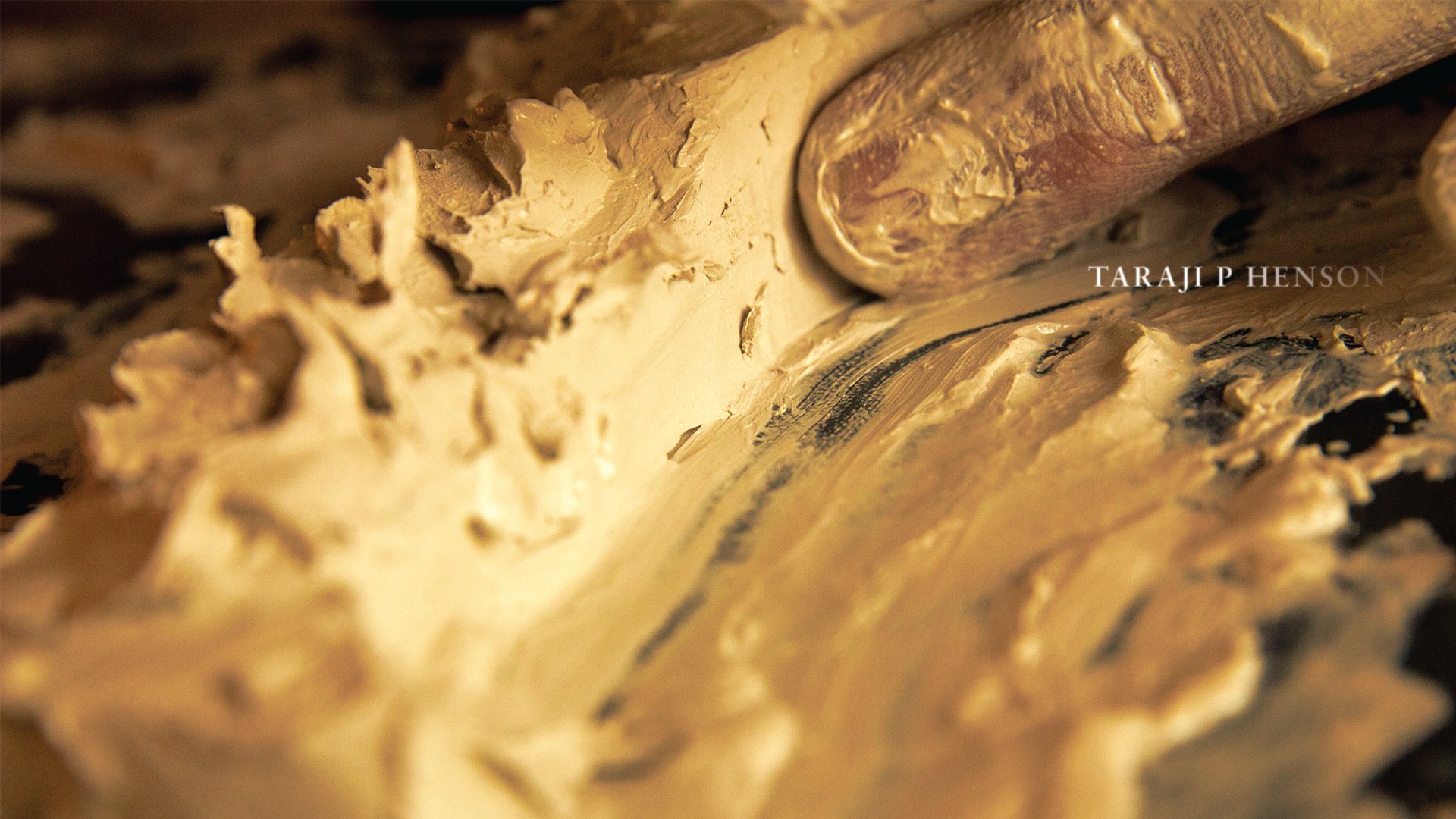
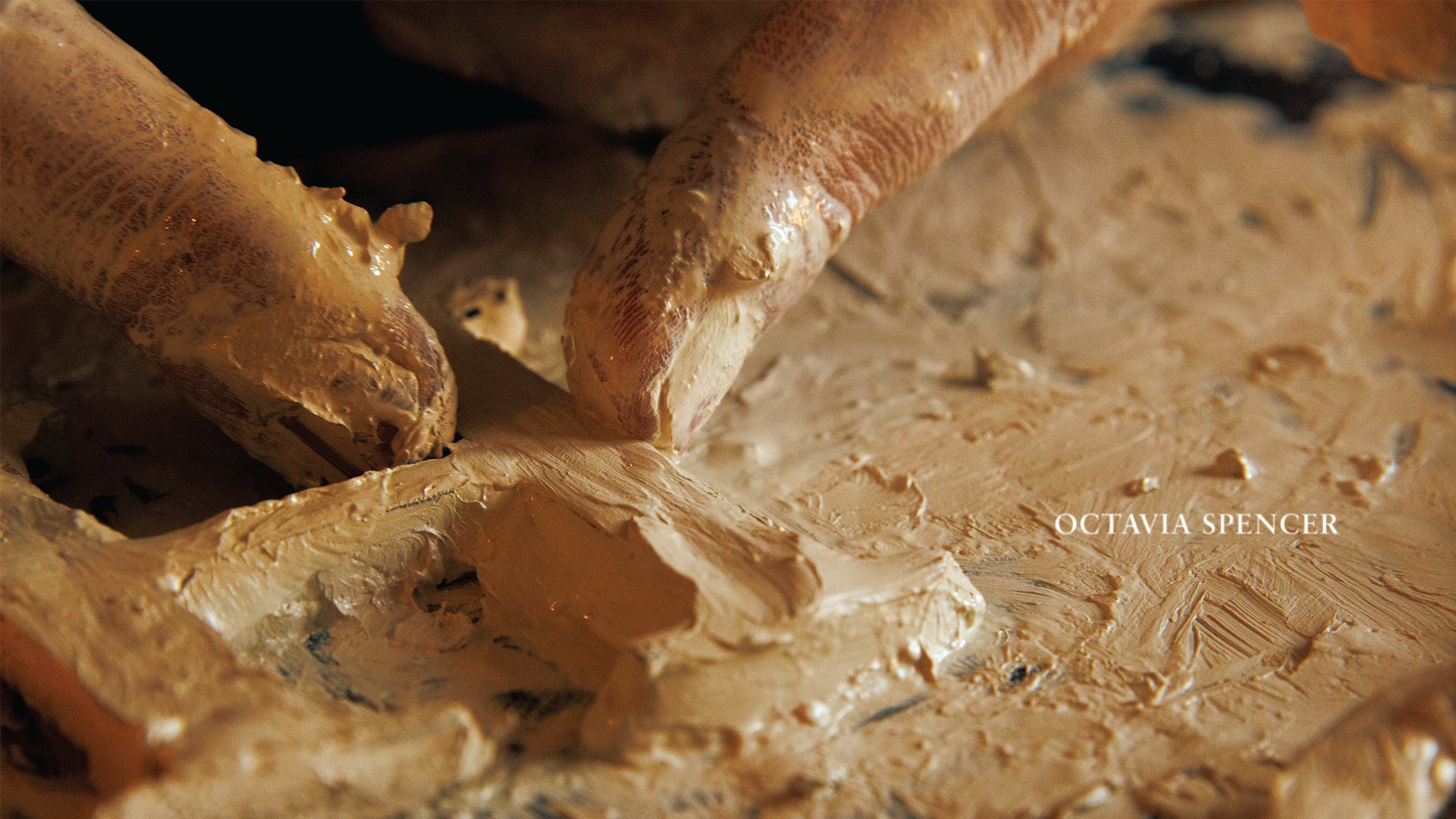
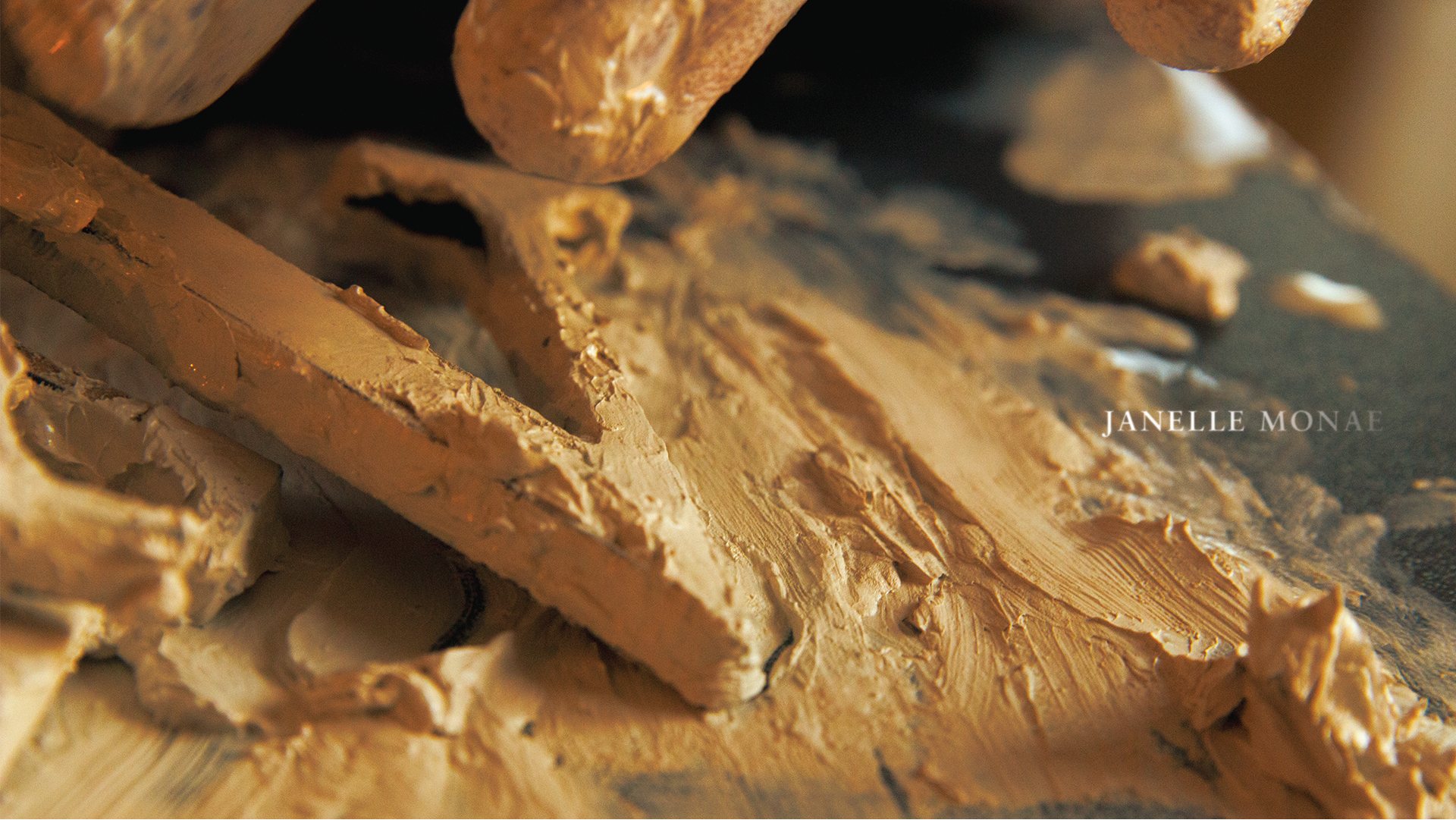
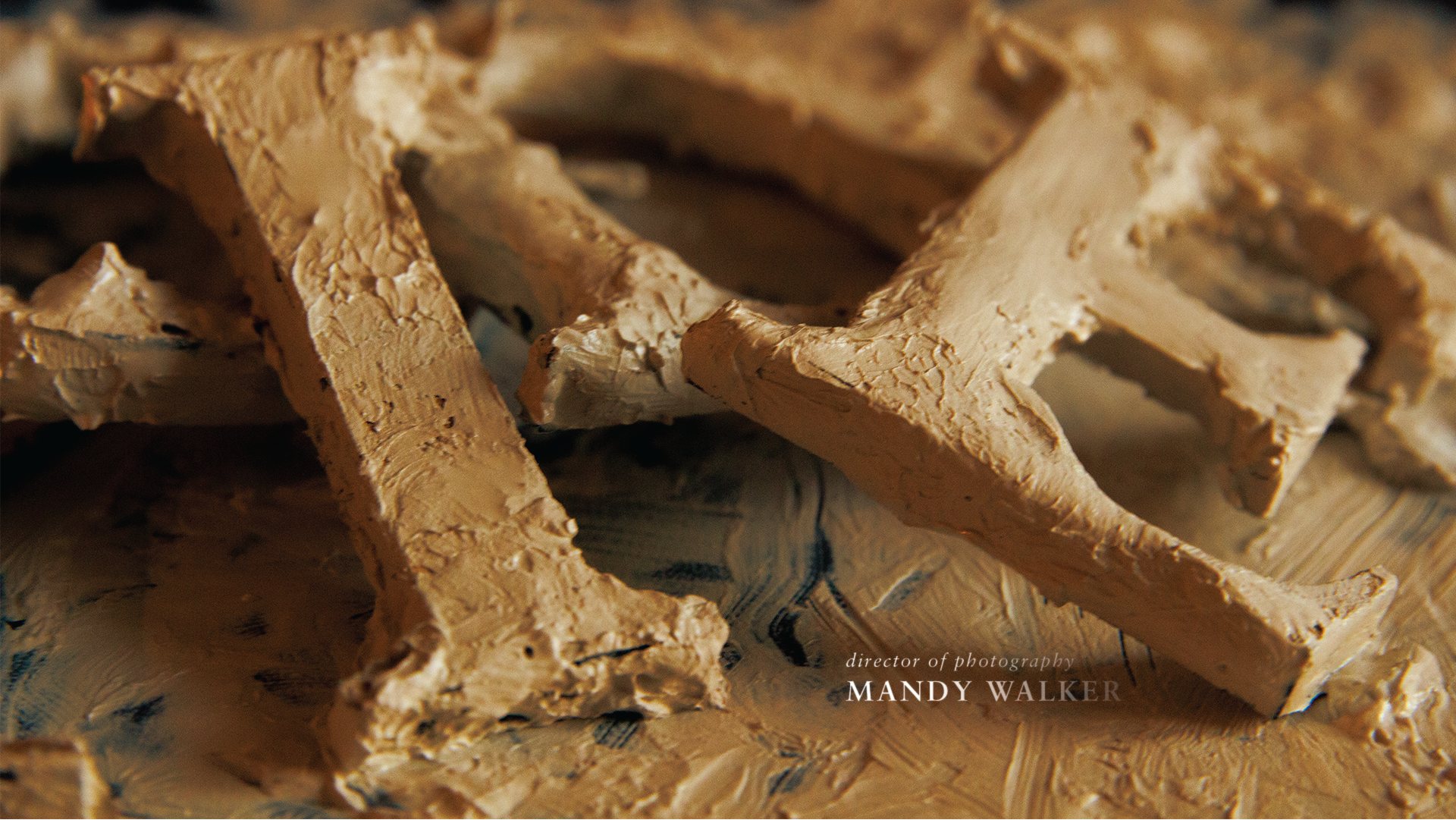
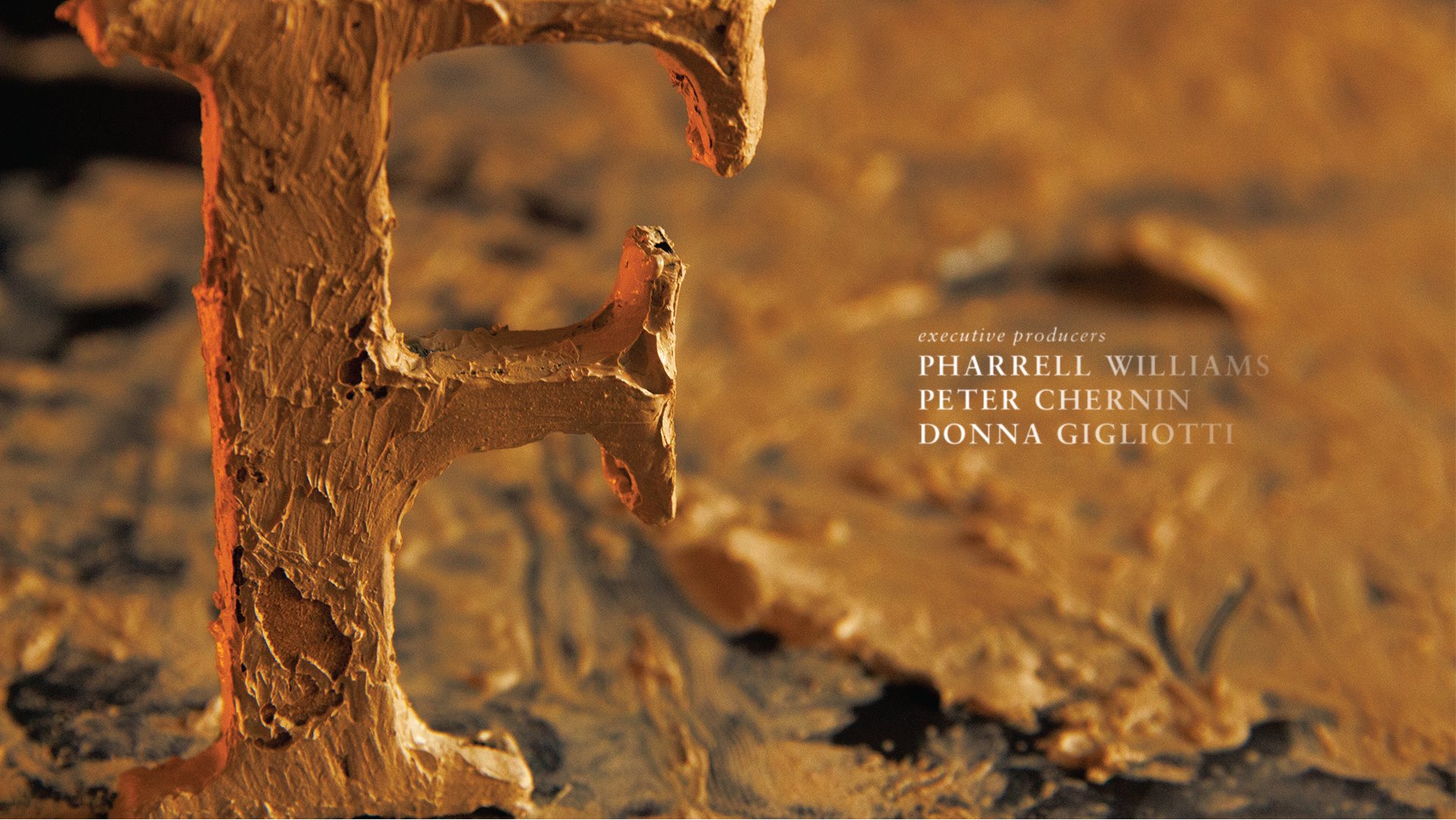
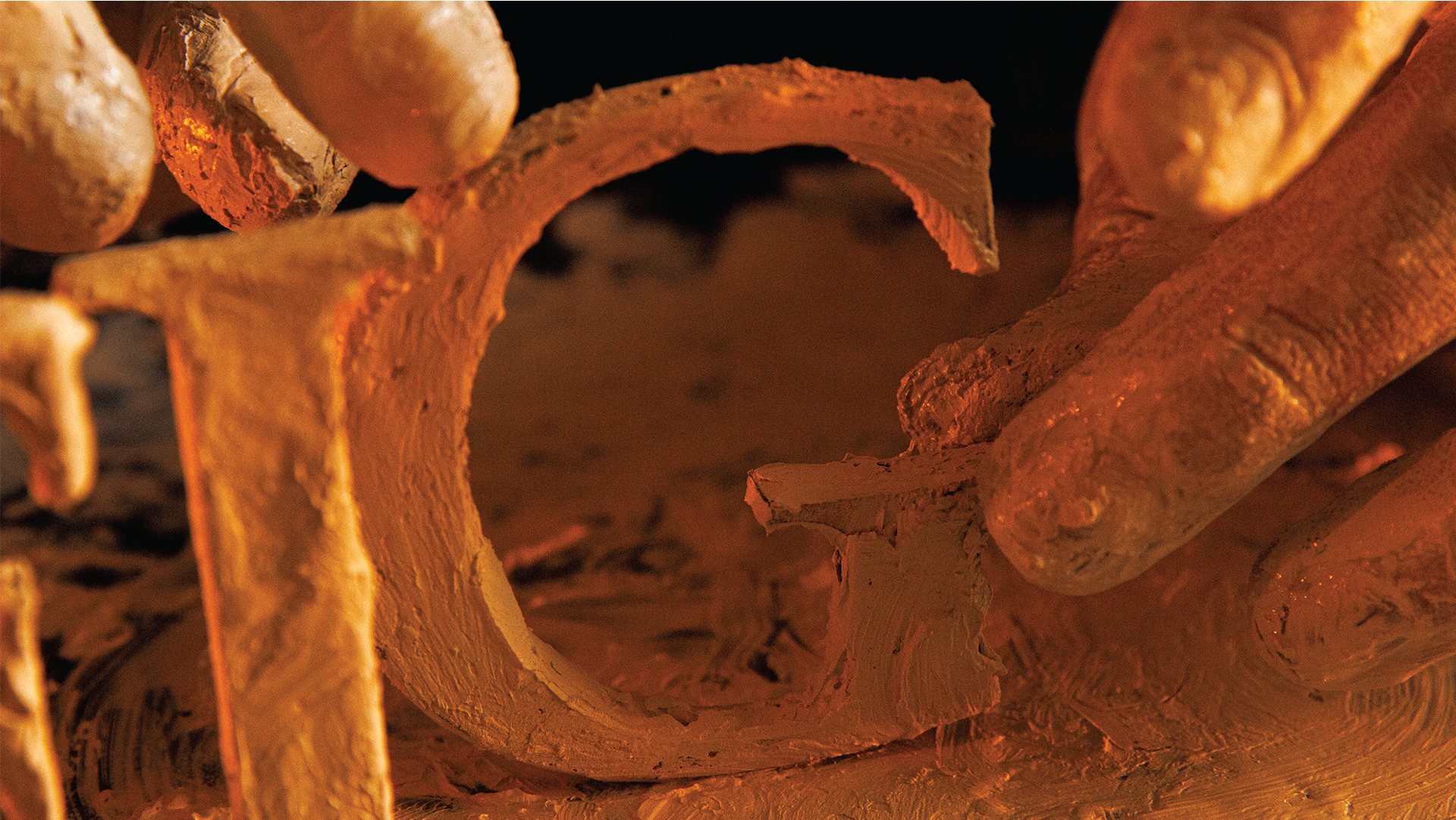
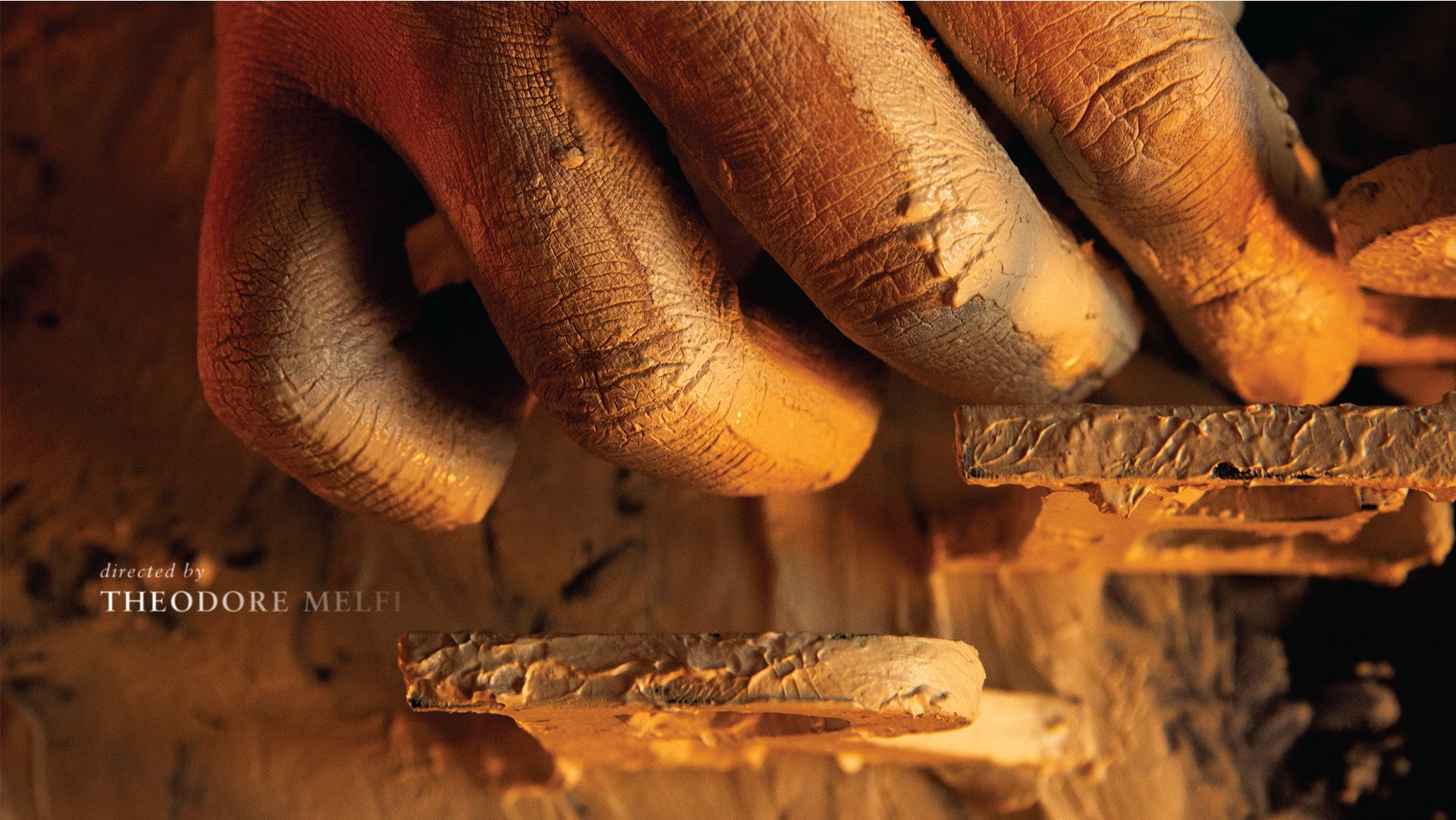
Hidden Figures centers on Katherine G. Johnson, a Black woman working within a white-male dominated office during the era of segregation. Discriminated against at every level, from the facilities she was allowed to use to the recognition she was denied, Katherine had no choice but to persevere. The title sequence takes that perseverance as its core theme, the quiet, sustained effort to move through a system built against you, to hold your standard, and to create something that outlasts the resistance. Perseverance to attain one's dream and bring change within a broken system, in order to create a brighter future.

The visual language draws from clay and pottery as a metaphor for that process. Clay is formed through the delicacy and persistence of the hand, shaped slowly into something with purpose, then hardened through high heat until it becomes glazed and preserved. Every frame was shot at home with minimal setup, relying entirely on a single light bulb and natural light timed to the hour of day. No studio, no equipment beyond what was available. The constraint became the aesthetic, producing a warm, shifting quality that mirrors the heat and intimacy of a kiln, and reflecting the three qualities that define Katherine's story: perseverance, willingness, and resilience.

SWITCHED
AT BIRTH

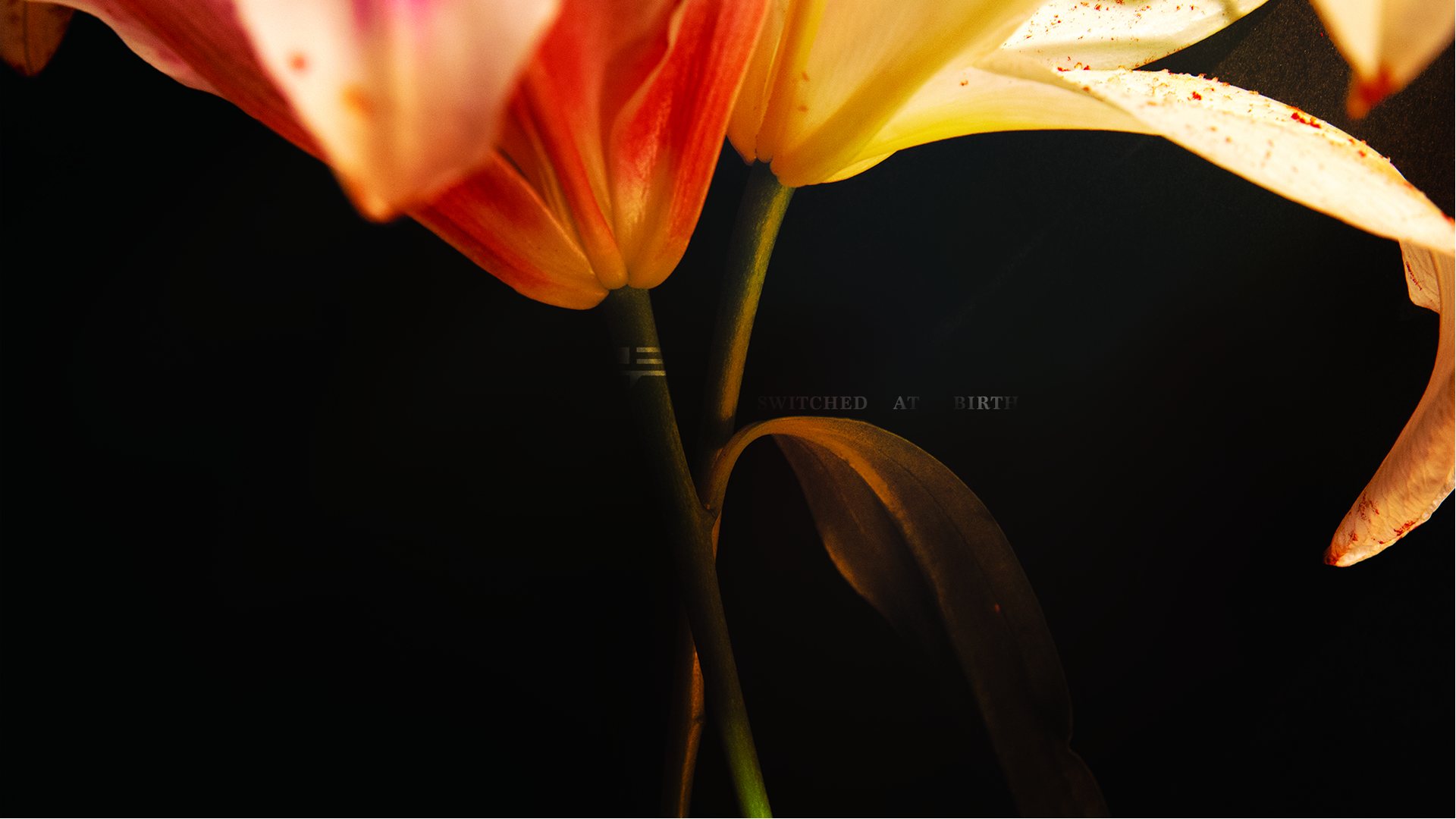
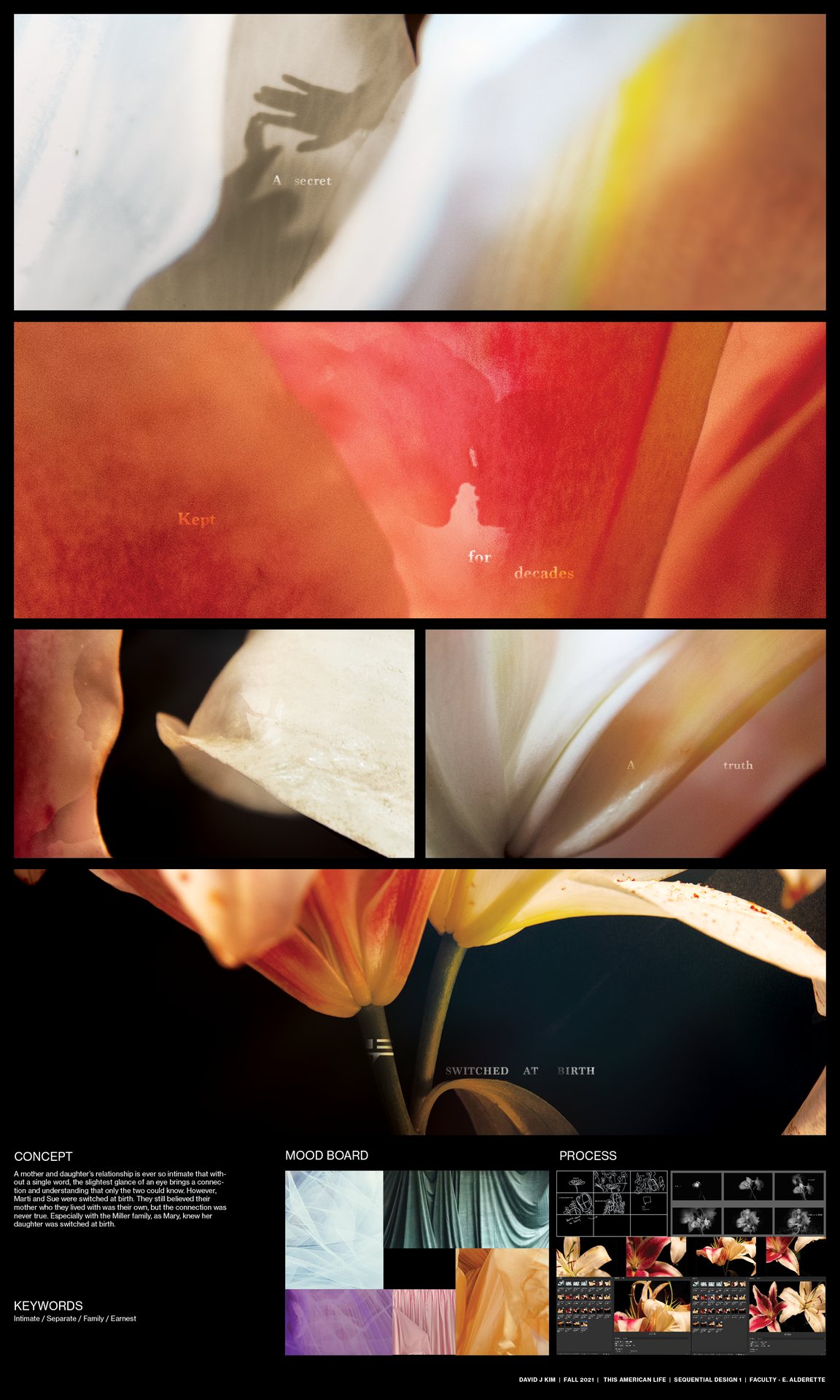
Switched at Birth title sequence frame Switched at Birth title sequence frame Switched at Birth title sequence frame Switched at Birth title sequence frame Switched at Birth title sequence frame Switched at Birth title sequence frame

Title Sequence

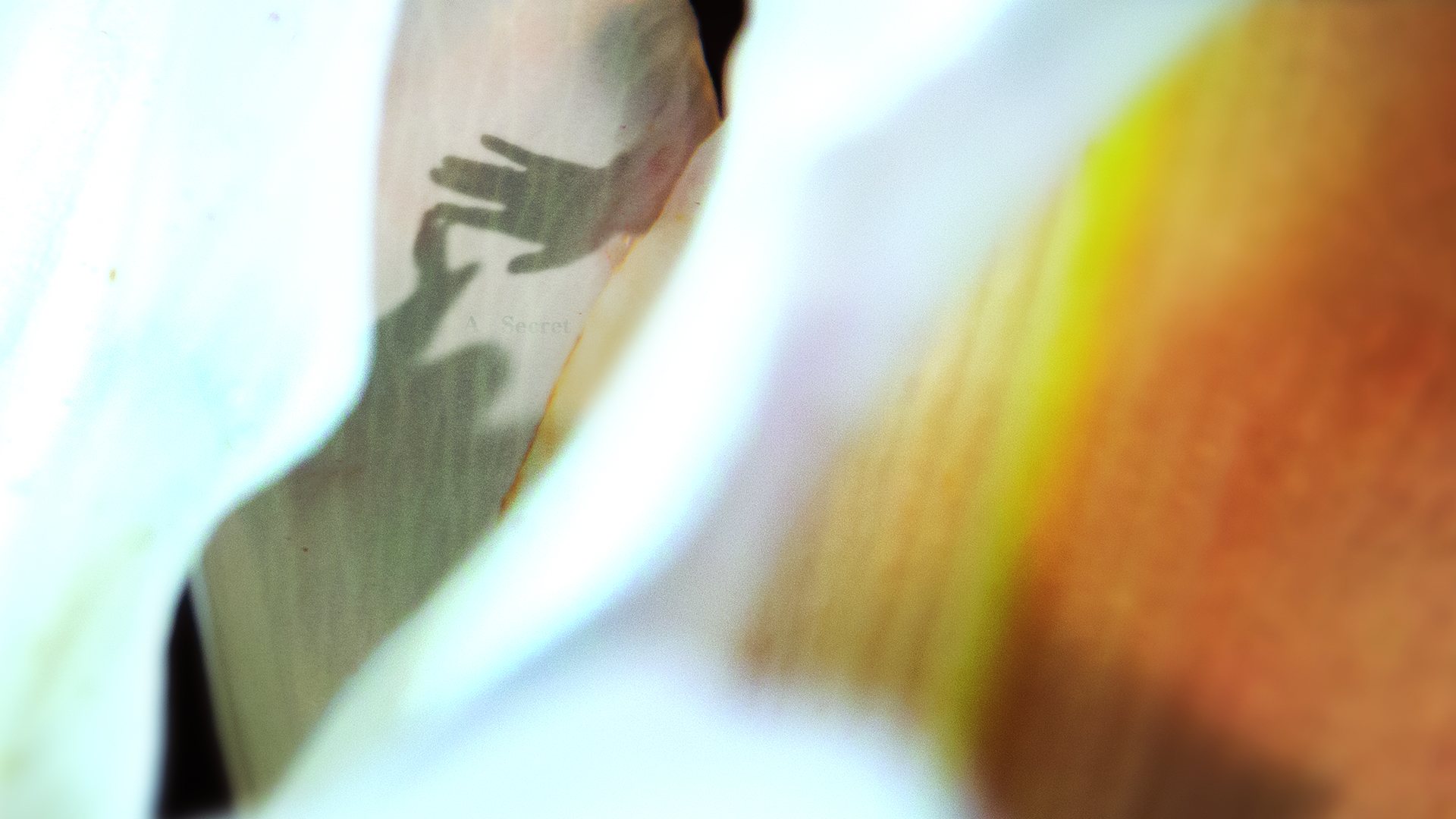
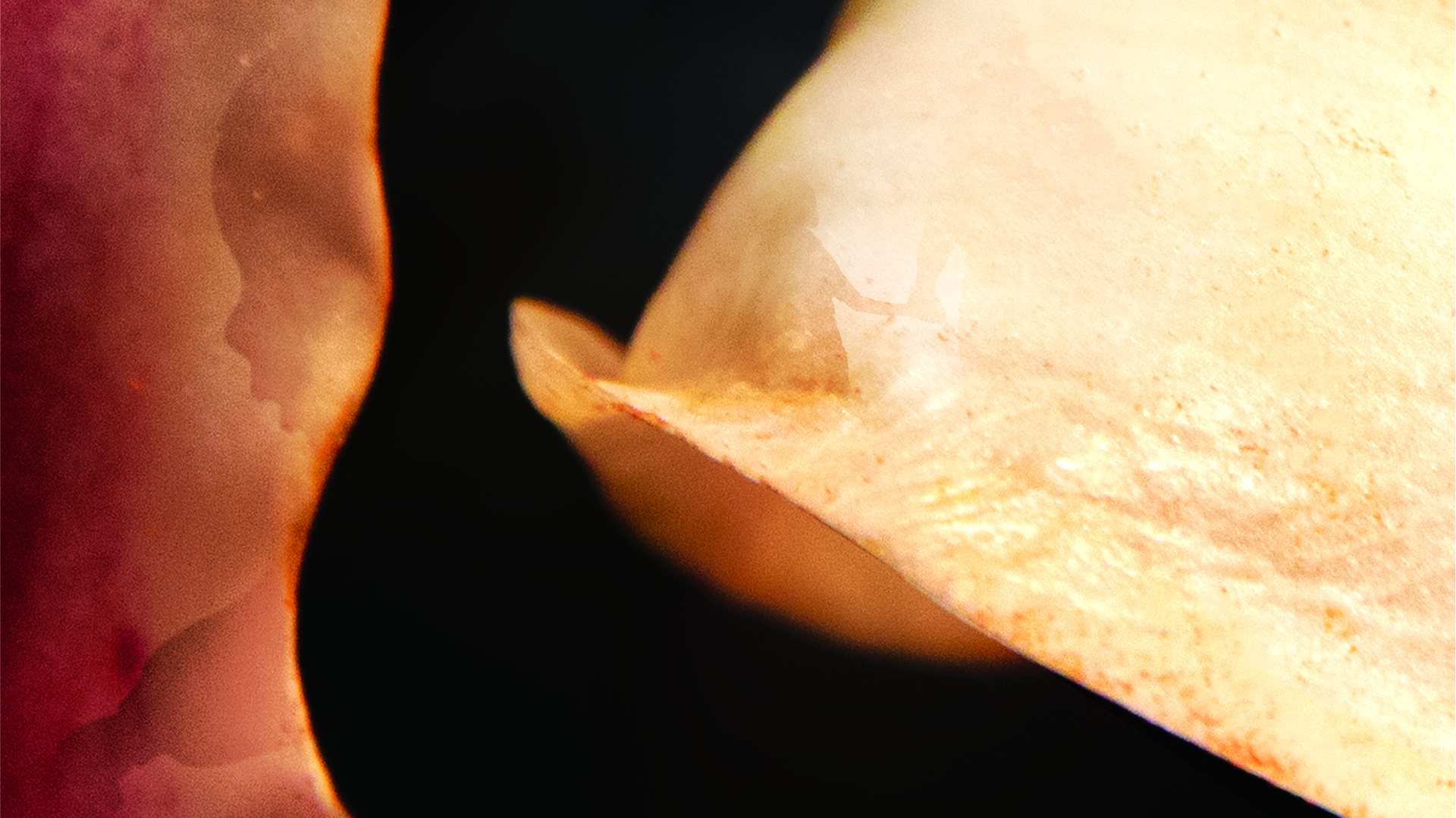
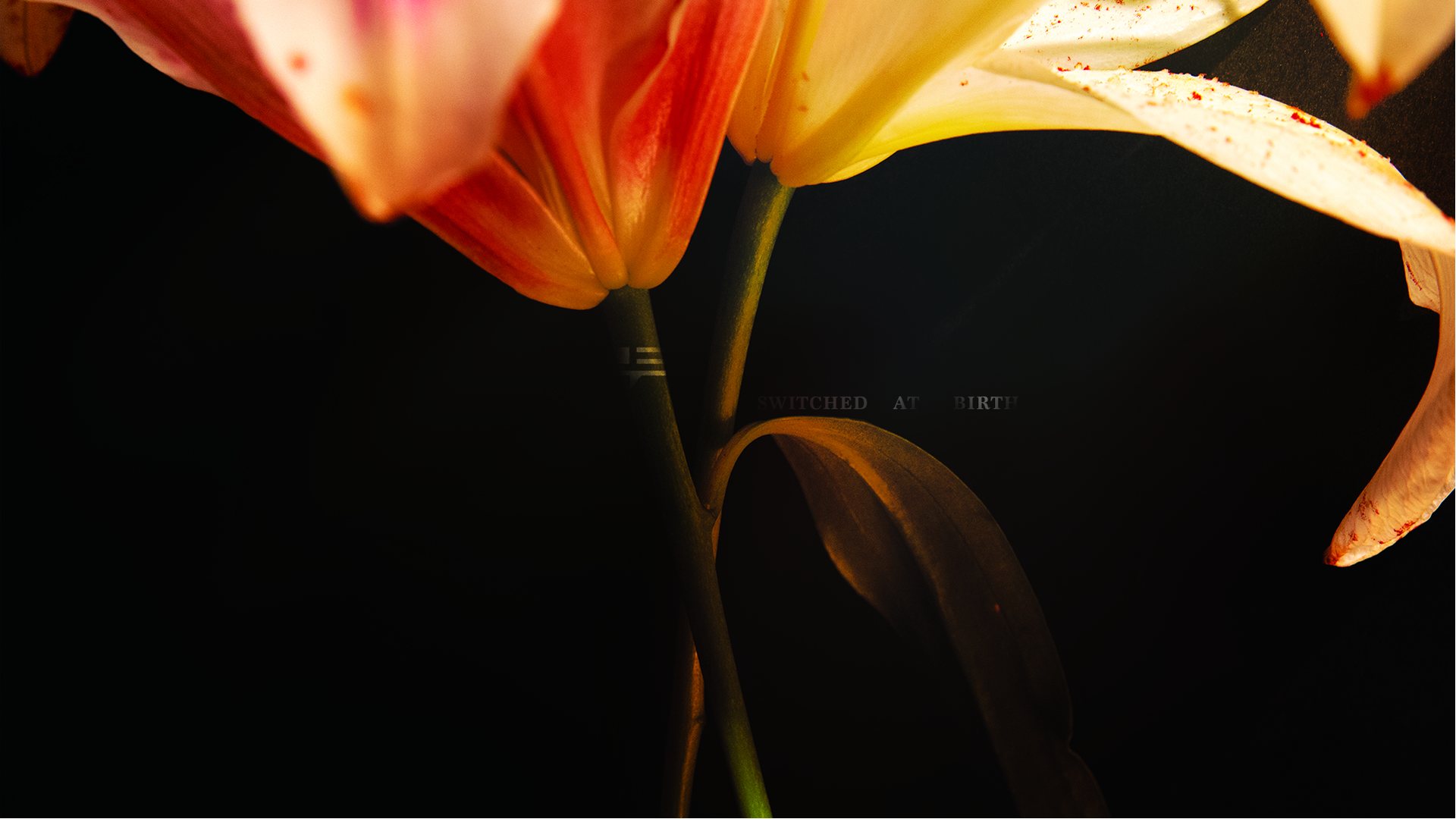
The bond between a mother and daughter is one of the most instinctive connections in human experience. Without a single word, a glance carries a depth of understanding that belongs only to the two of them. Switched at Birth explores what happens when that bond is built on an unknowing lie. Marti and Sue grew up believing the women who raised them were their own, and in every way that felt real, they were. But beneath the surface, the connection was never true. Mary Miller always knew. The quiet weight of that knowledge, carried alone, becomes the emotional center of the sequence.

The entire sequence was produced within the walls of a single room, stripped back to the most essential conditions possible. A bare light bulb and the natural light coming through the window at different points of the day were the only sources used, with no additional equipment or controlled studio environment. The unpredictability of that light, shifting in temperature and intensity as hours passed, became a creative tool rather than a limitation. What emerged was a visual texture that feels lived-in and unguarded, honest in the same way the film's central secret is not.

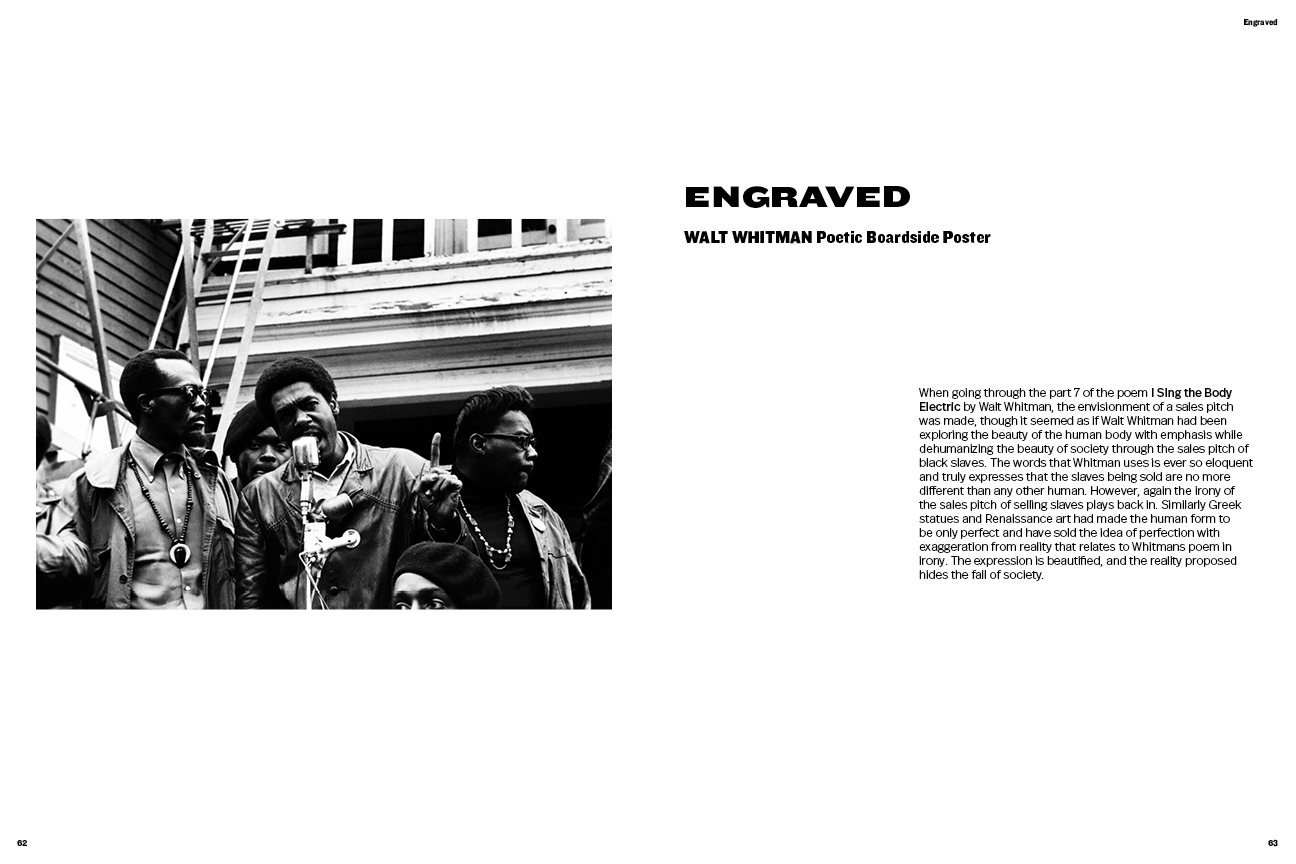
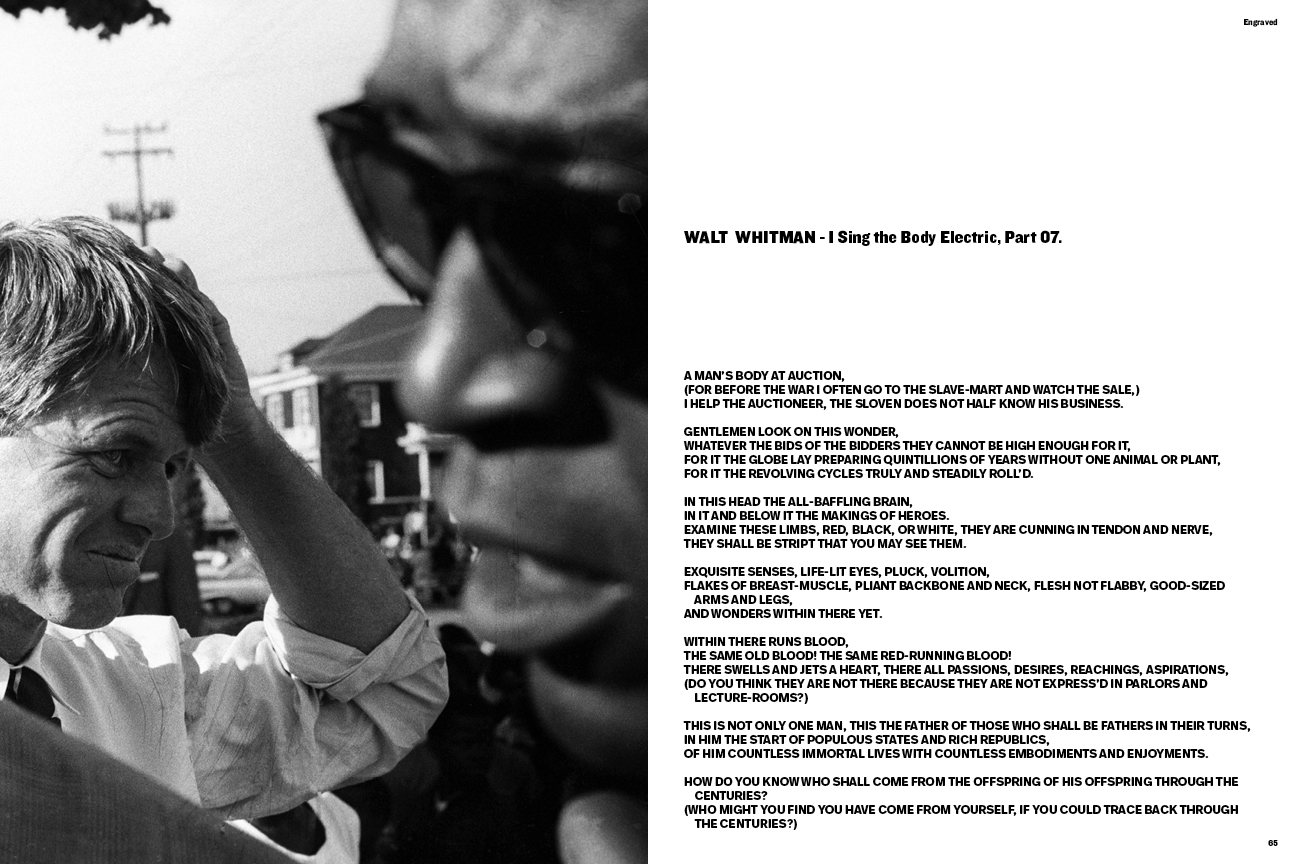
ENGRAVED

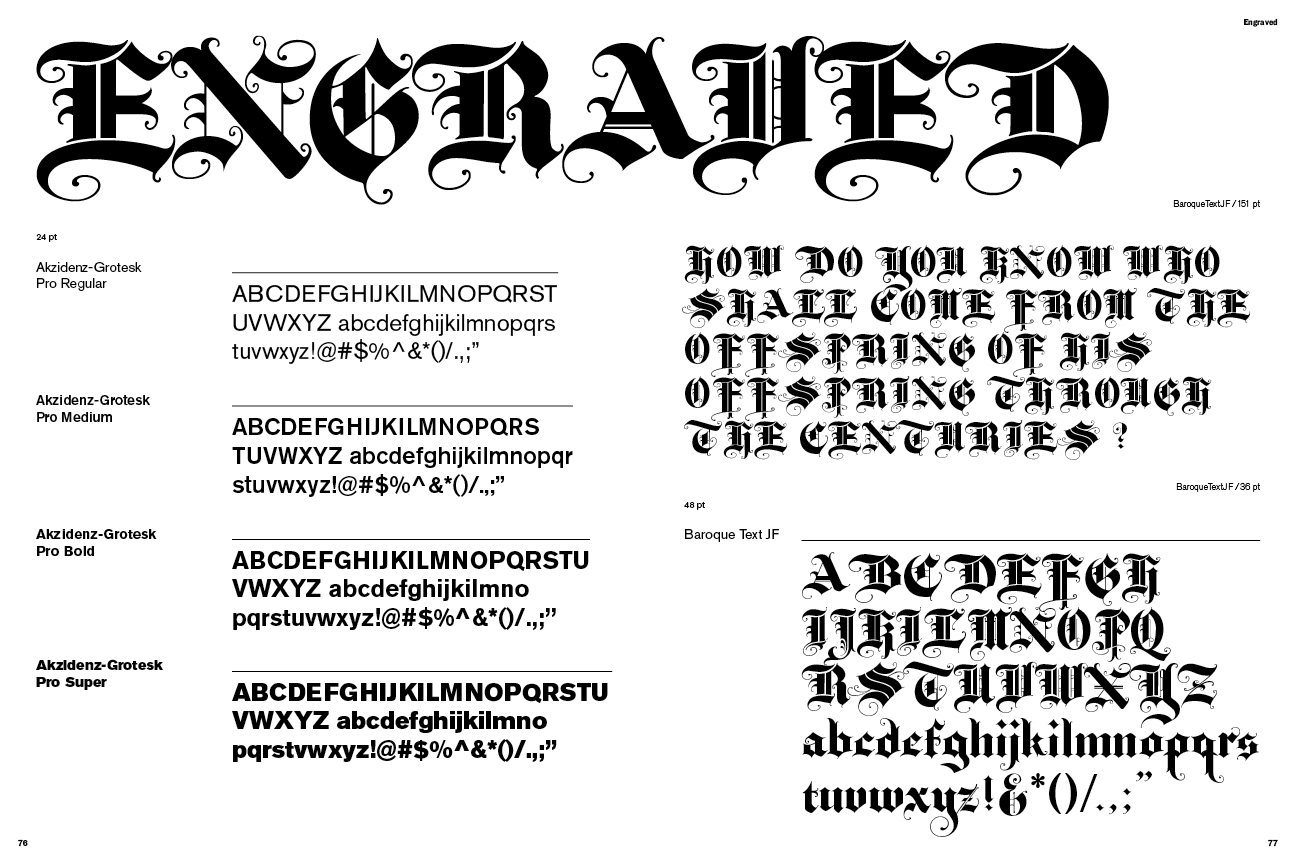
Engraved boardside poster Engraved boardside poster Engraved boardside poster Engraved boardside poster Engraved boardside poster Engraved boardside poster Engraved boardside poster Engraved boardside poster Engraved boardside poster

Boardside Poster

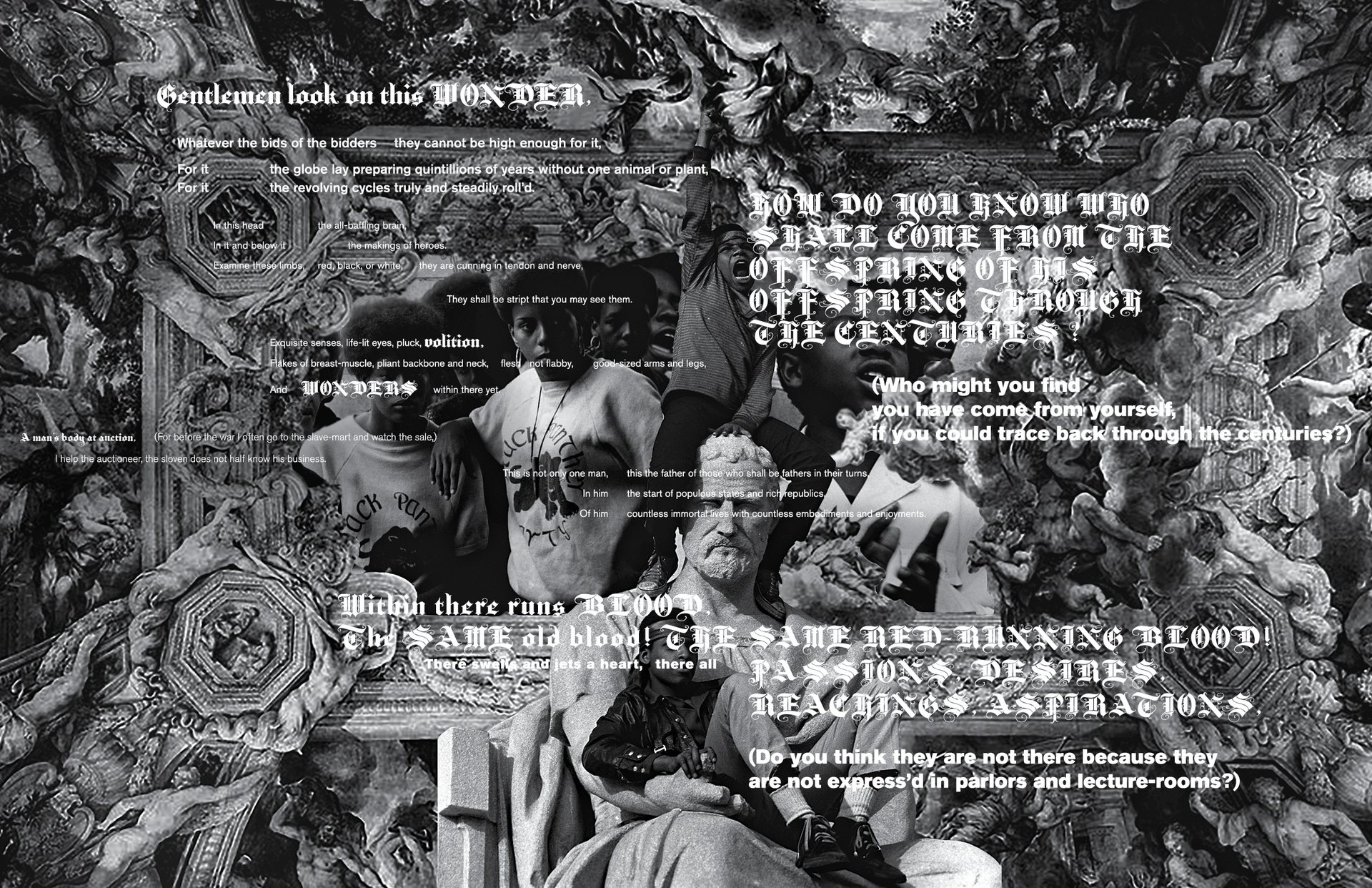
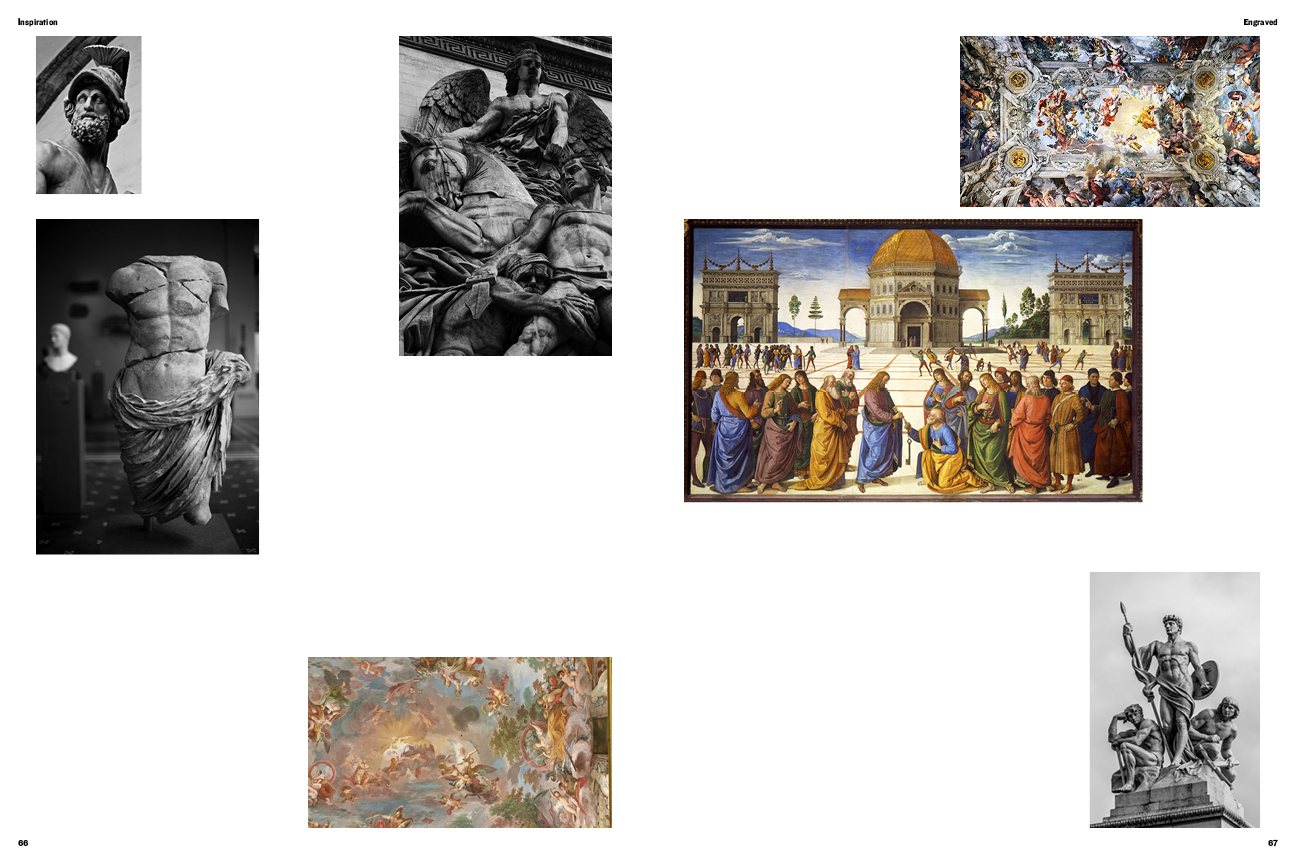
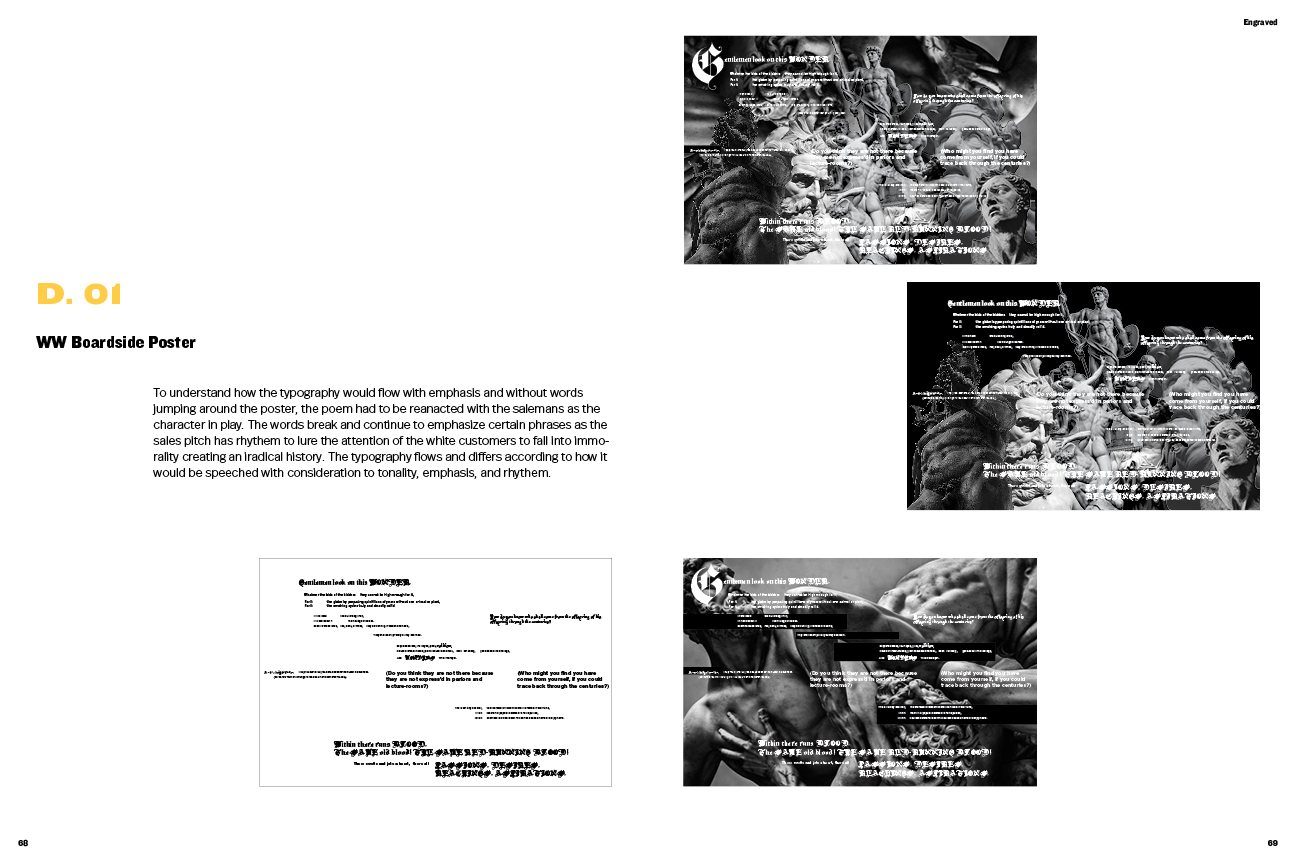
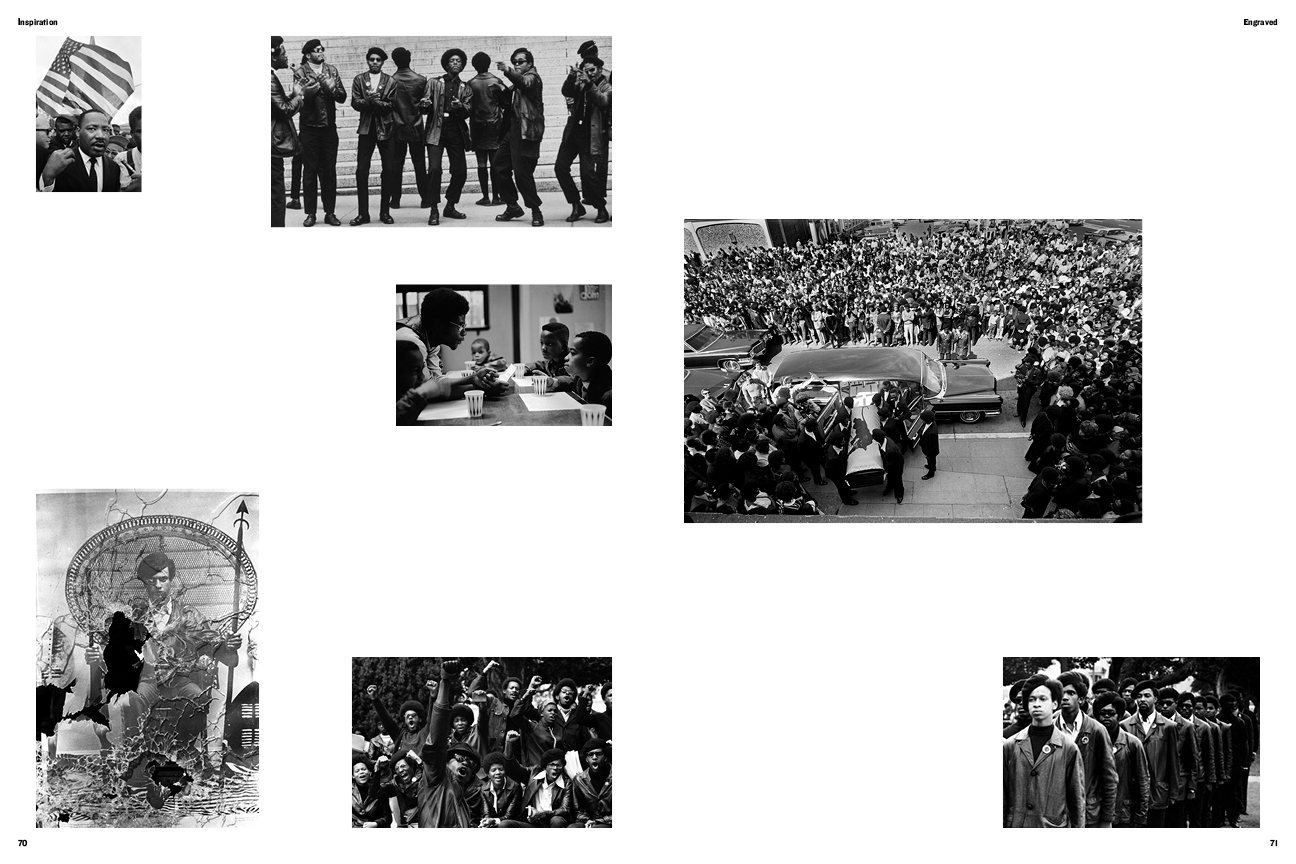
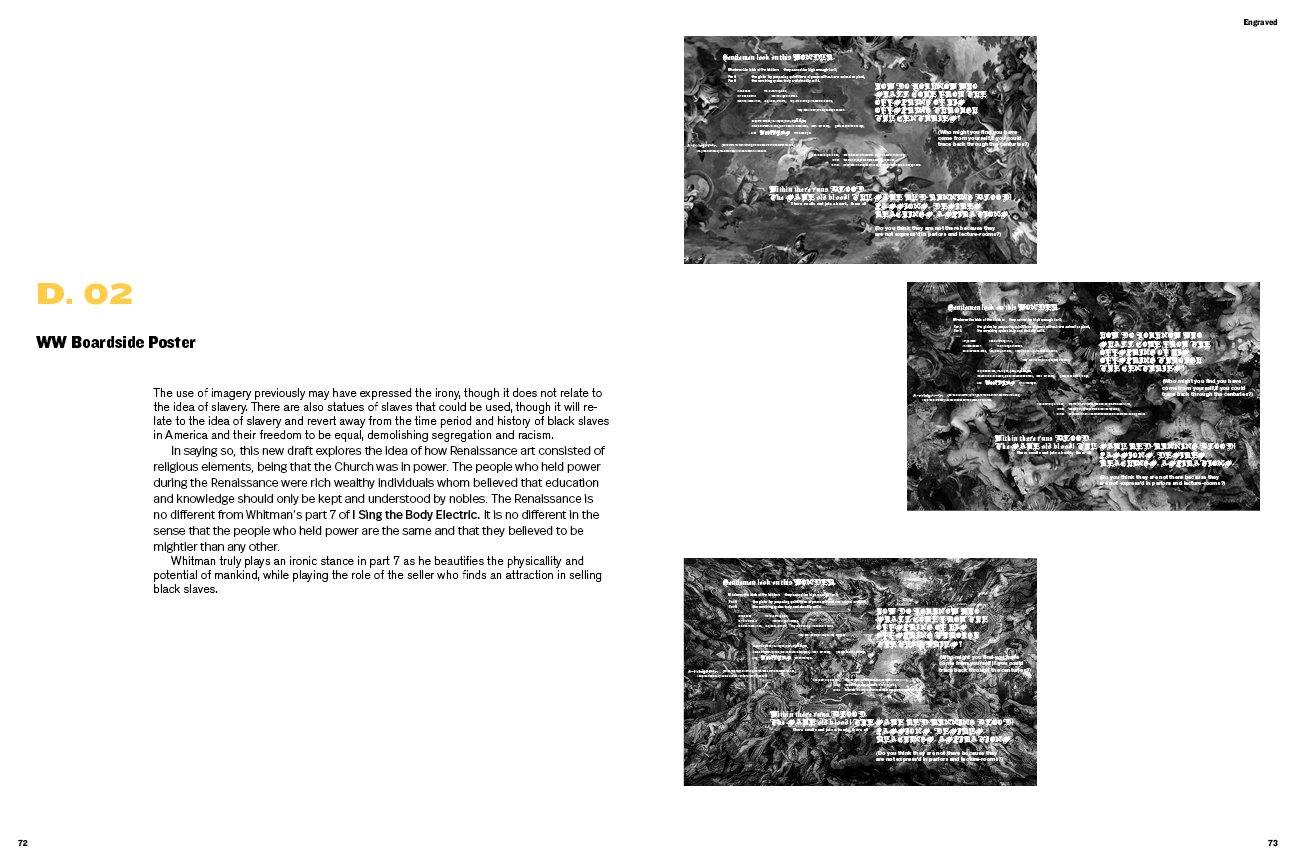
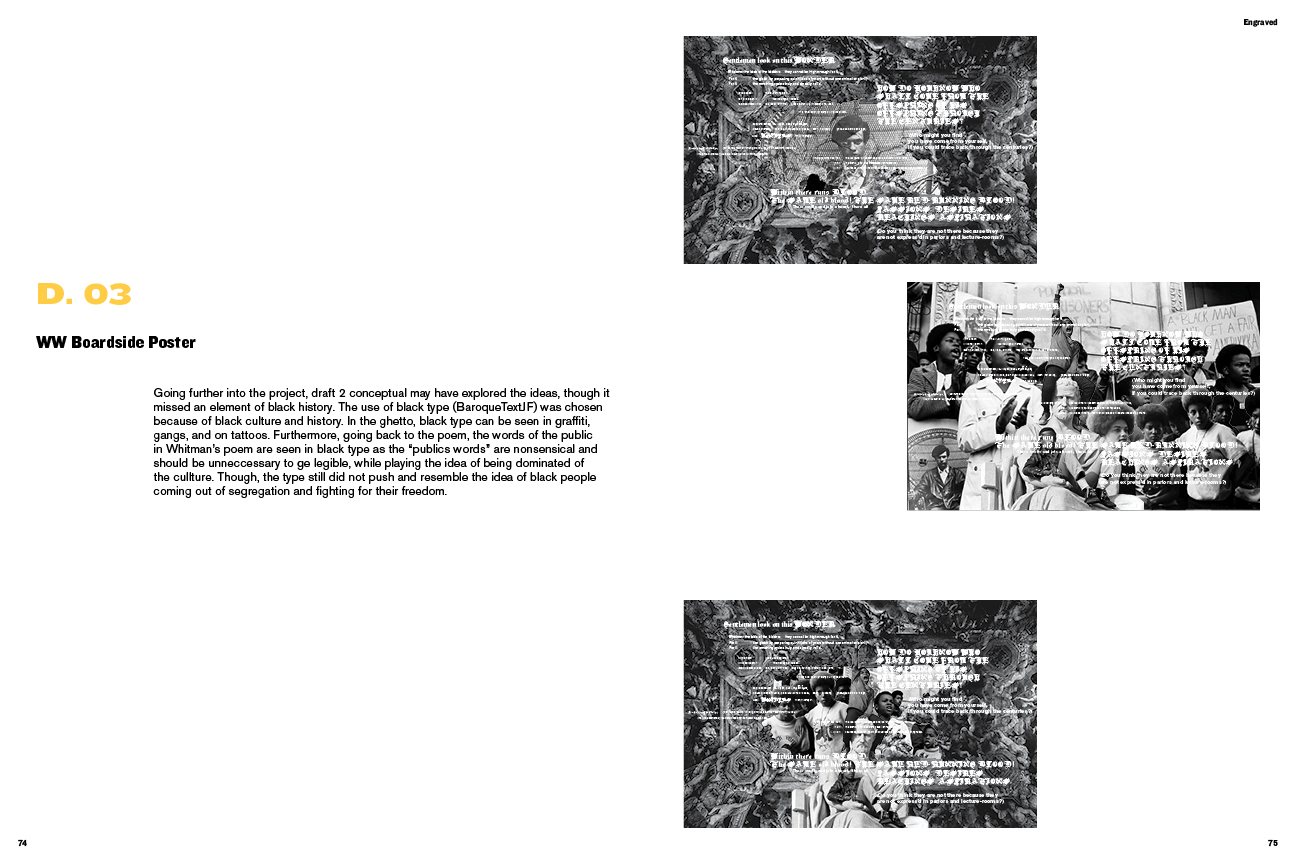
When going through the part 7 of the poem I Sing the Body Electric by Walt Whitman, the envisionment of a sales pitch was made, though it seemed as if Walt Whitman had been exploring the beauty of the human body with emphasis while dehumanizing the beauty of society through the sales pitch of black slaves. The words that Whitman uses is ever so eloquent and truly expresses that the slaves being sold are no more different than any other human. However, again the irony of the sales pitch of selling slaves plays back in. Similarly Greek statues and Renaissance art had made the human form to be only perfect and have sold the idea of perfection with exaggeration from reality that relates to Whitmans poem in irony. The expression is beautified, and the reality proposed hides the fall of society.

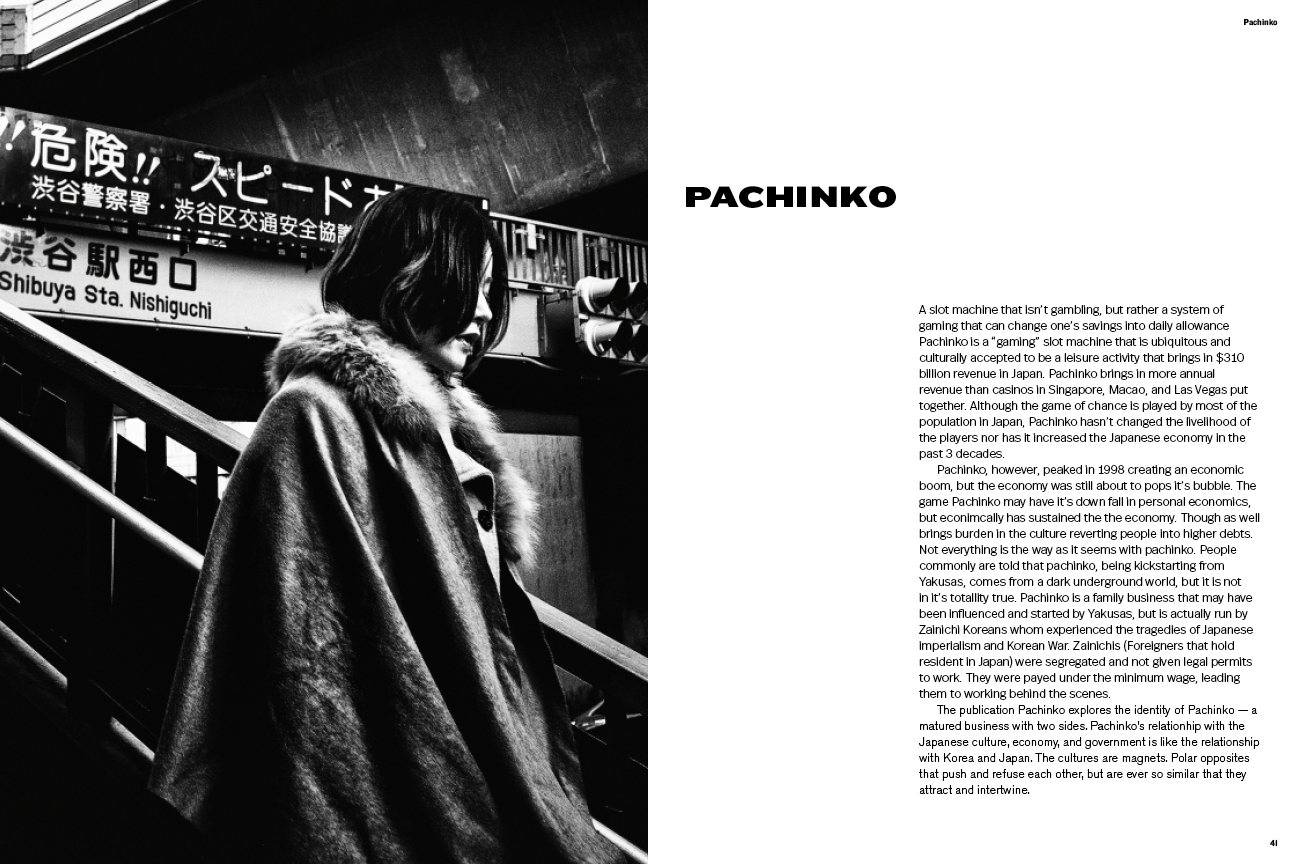
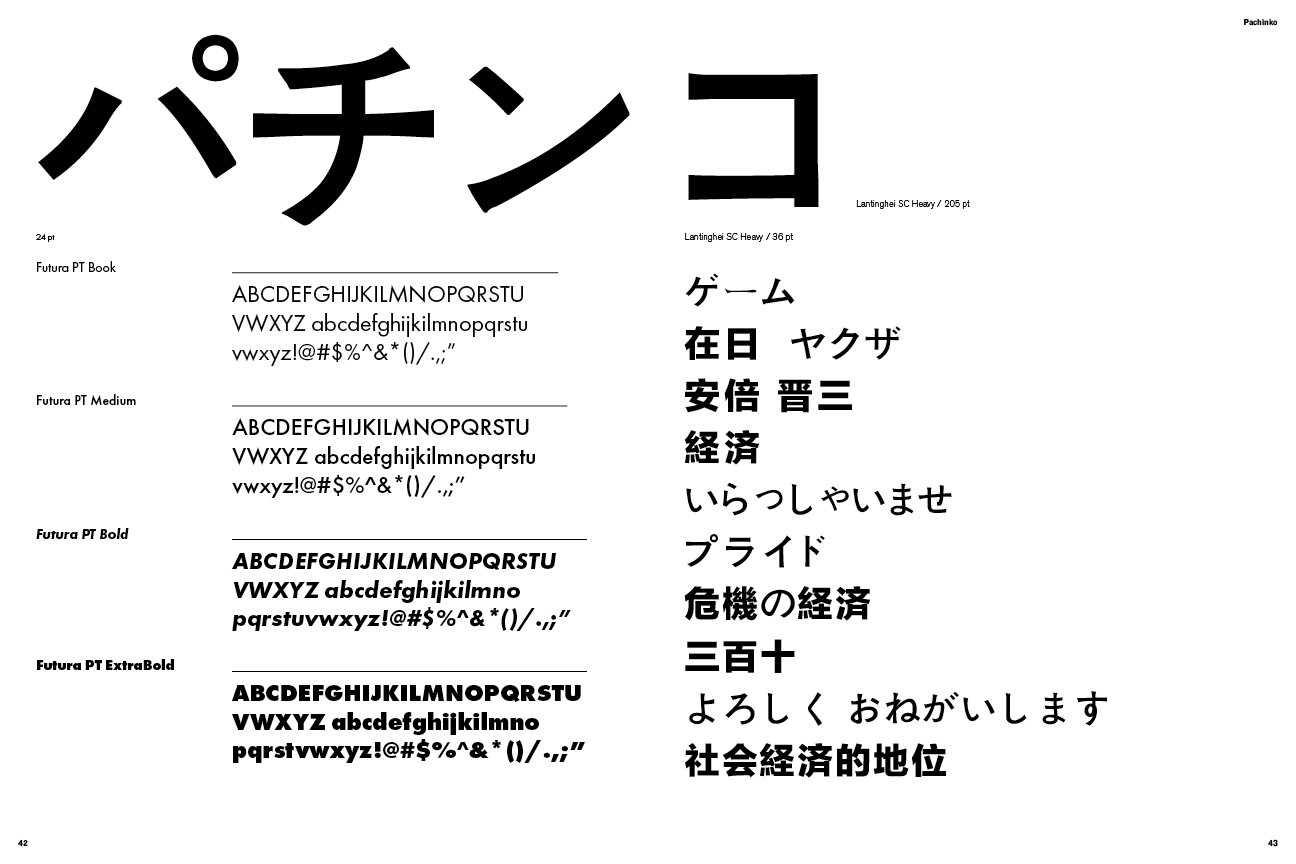
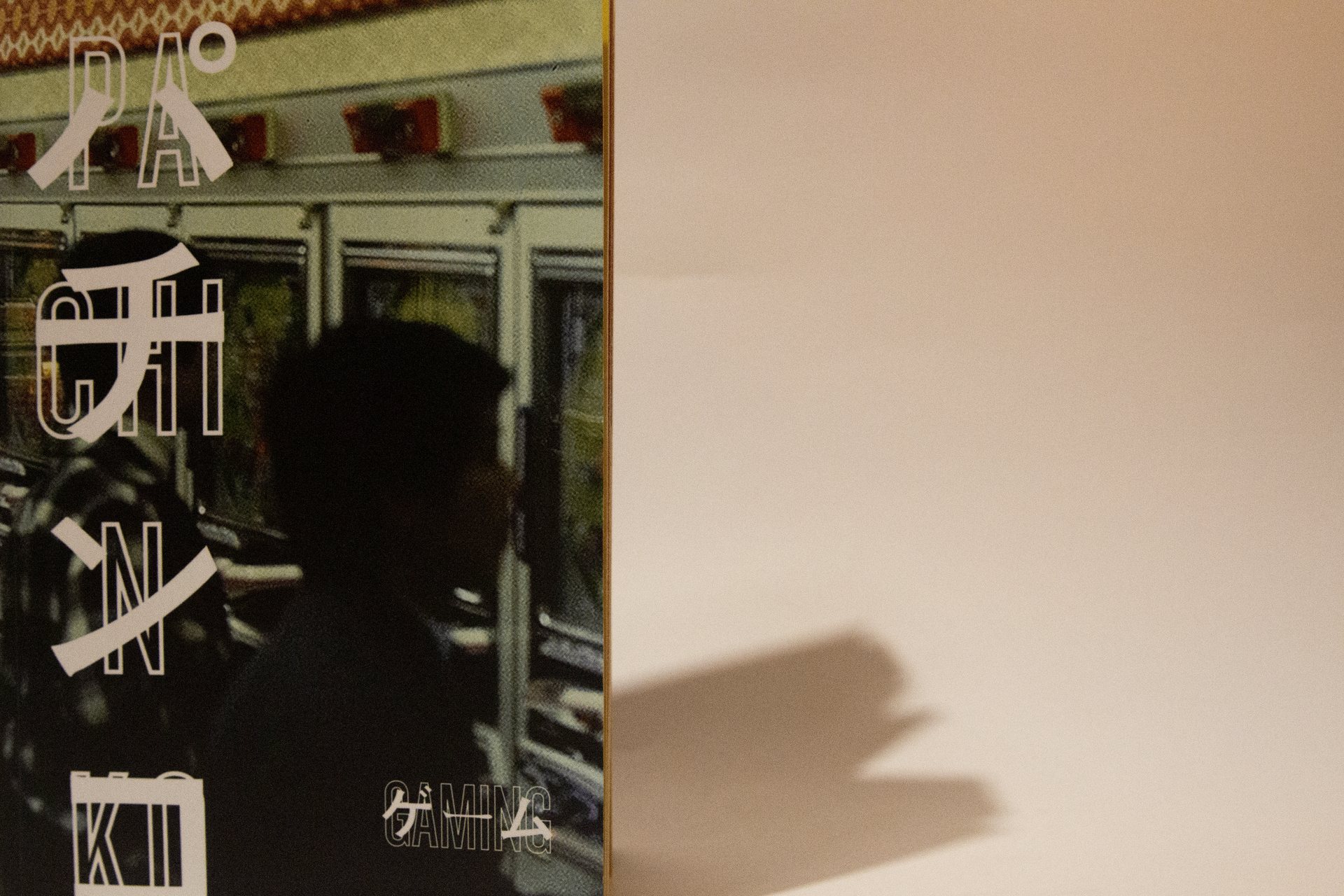
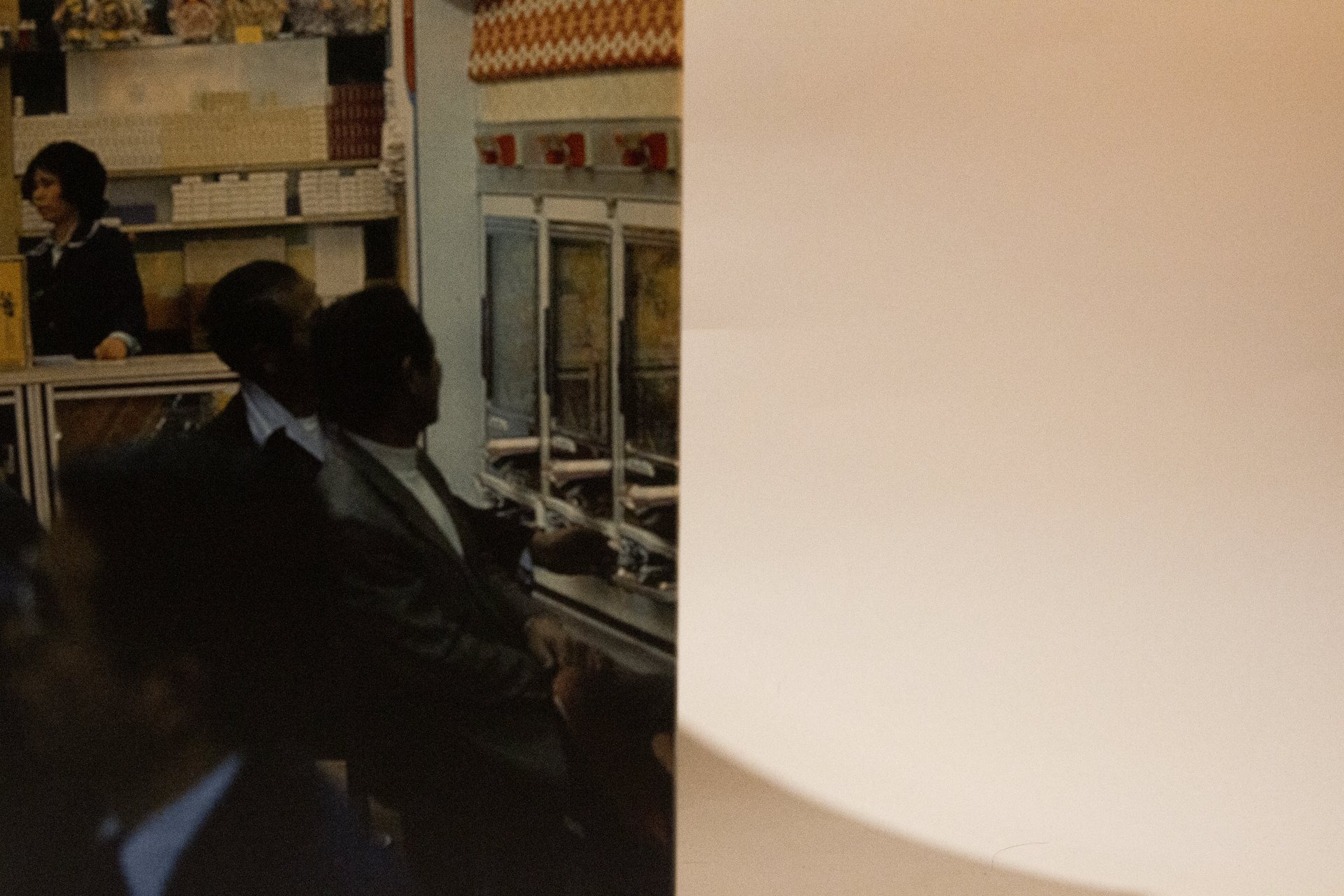
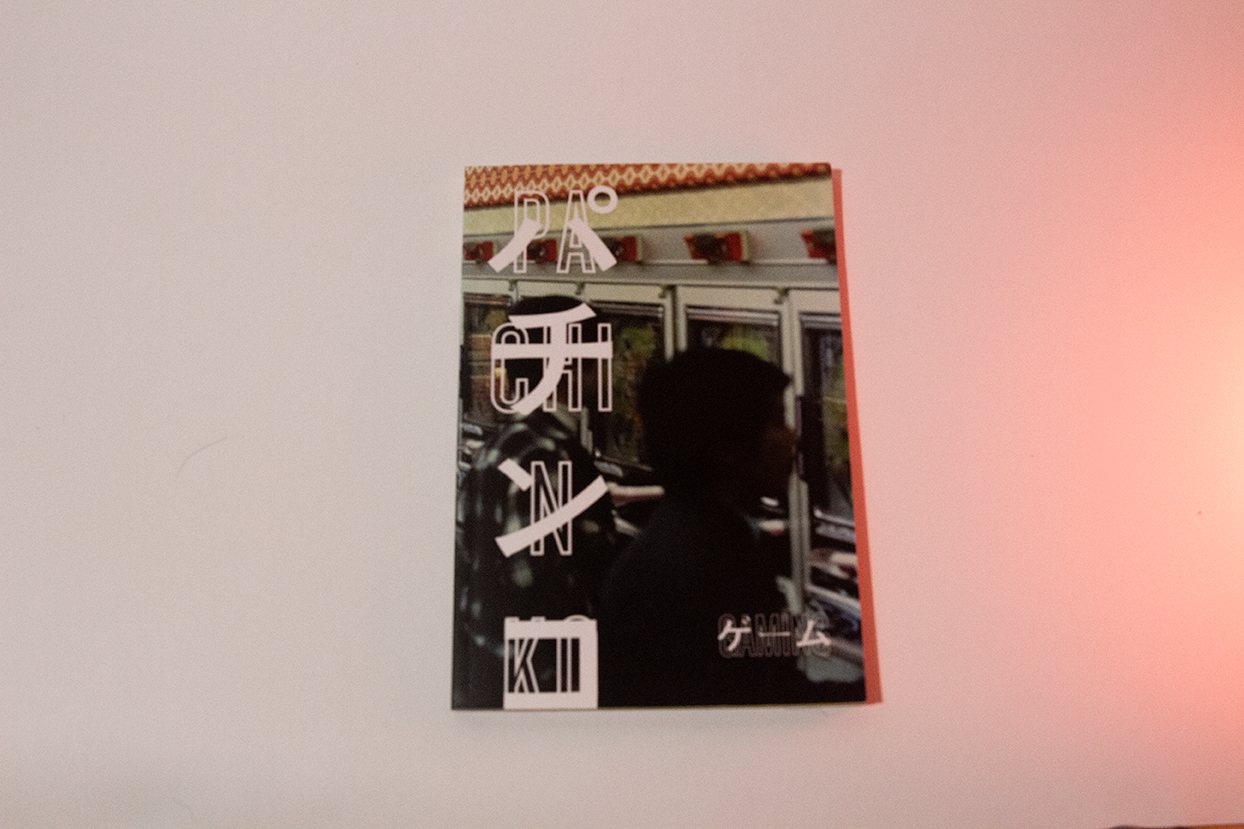
PACHINKO

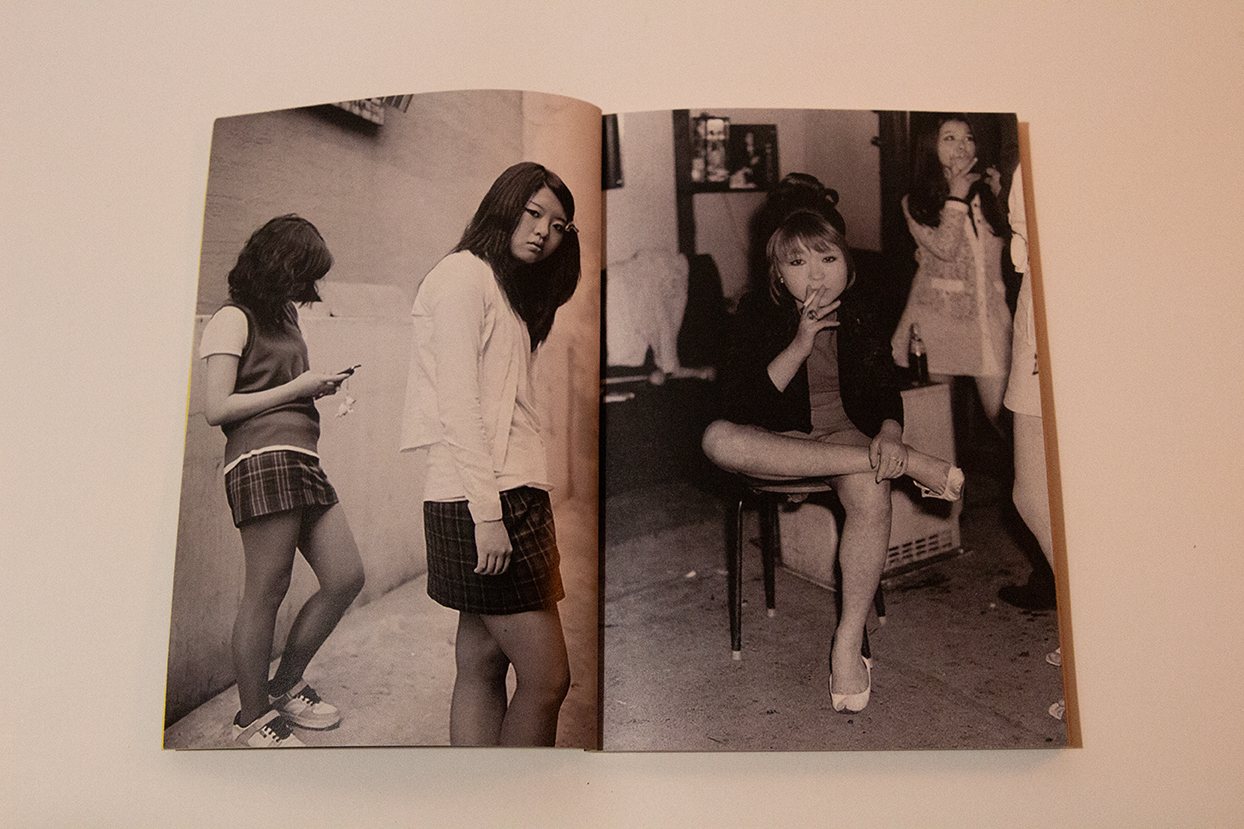
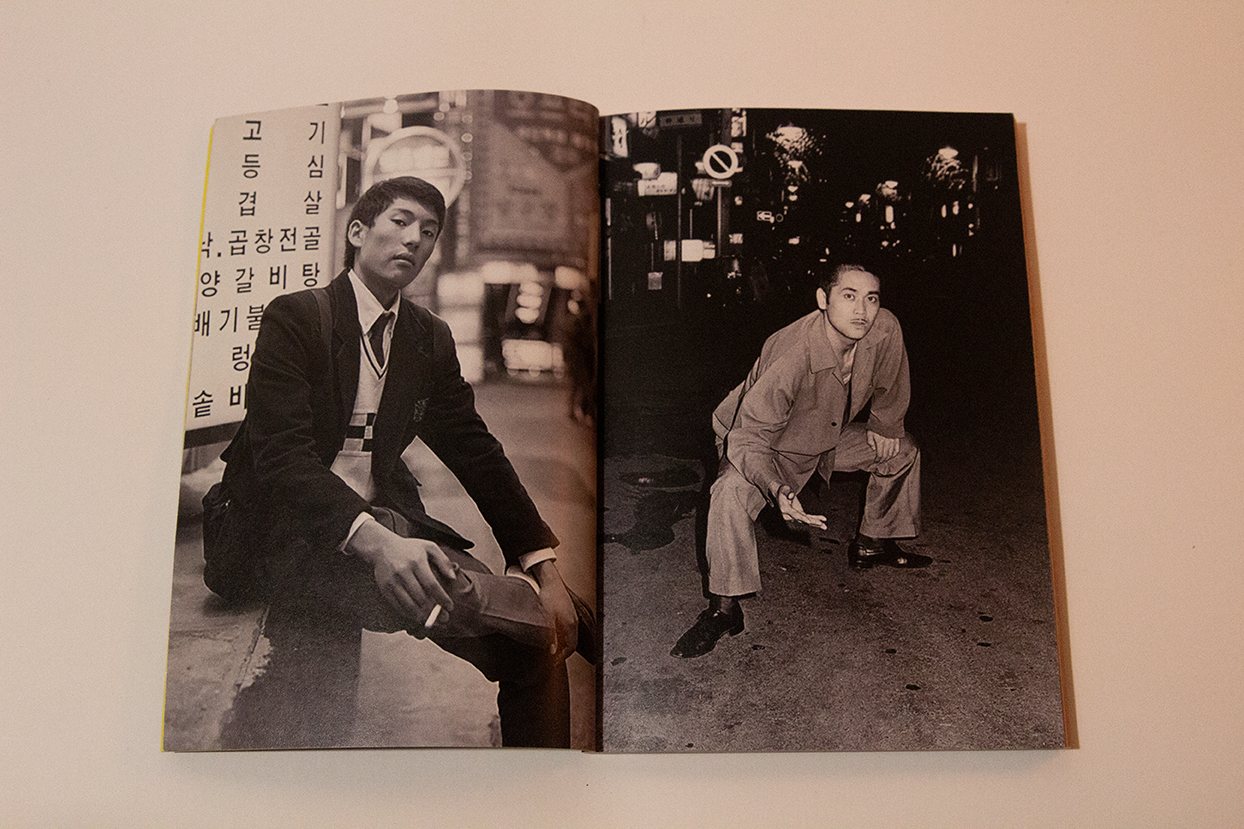
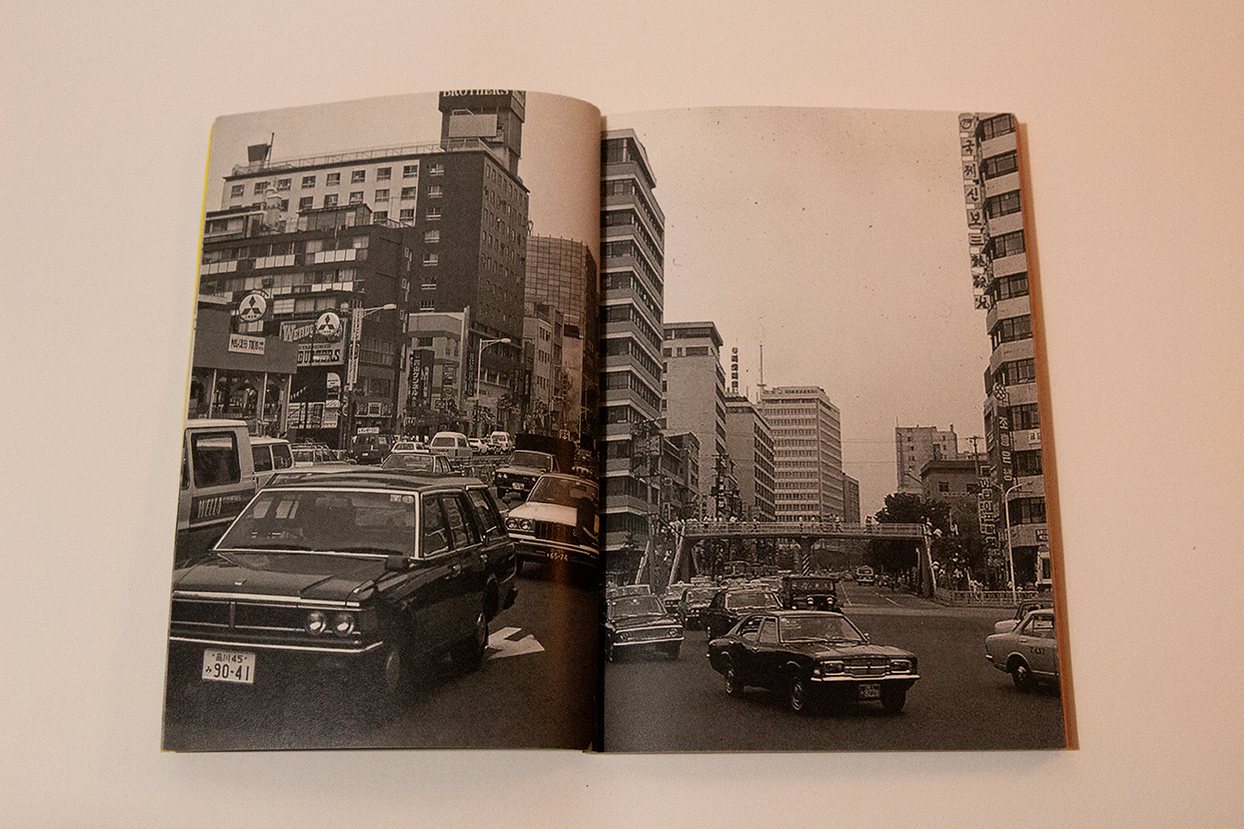
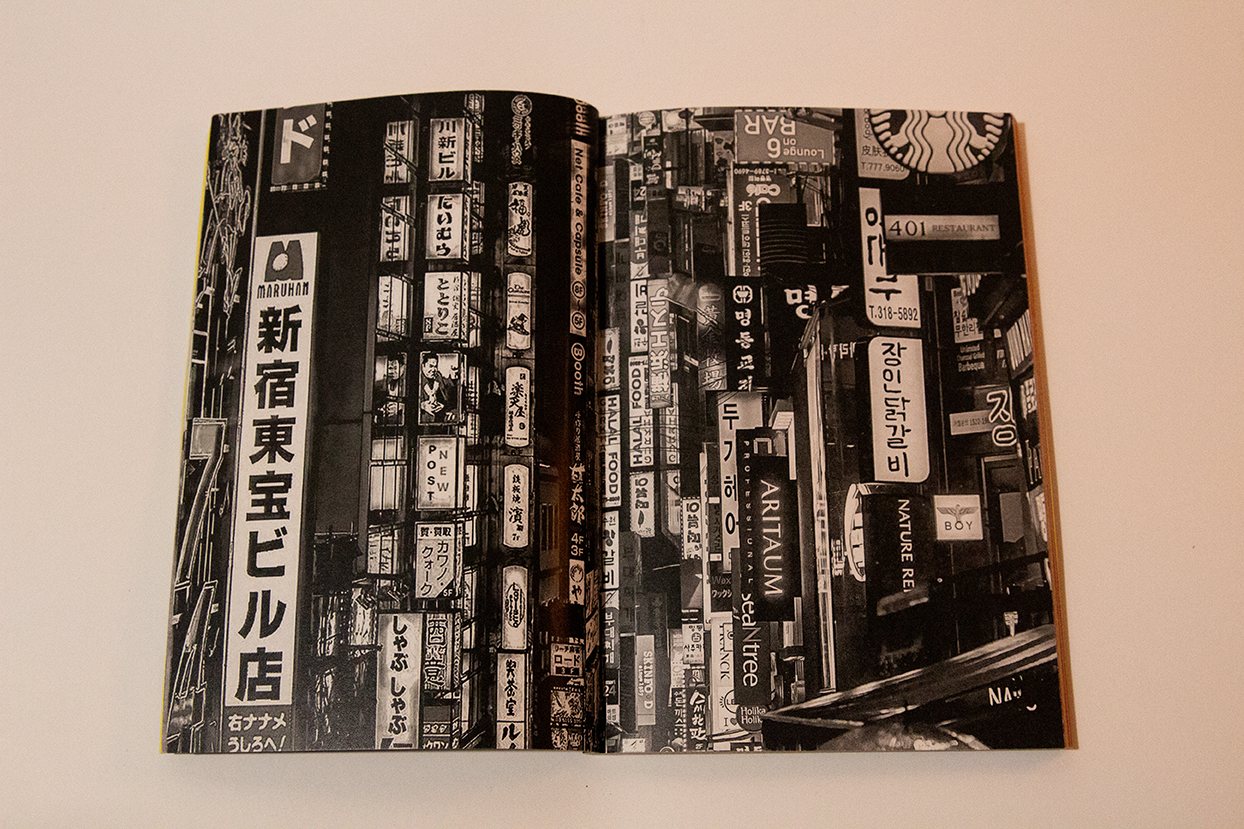
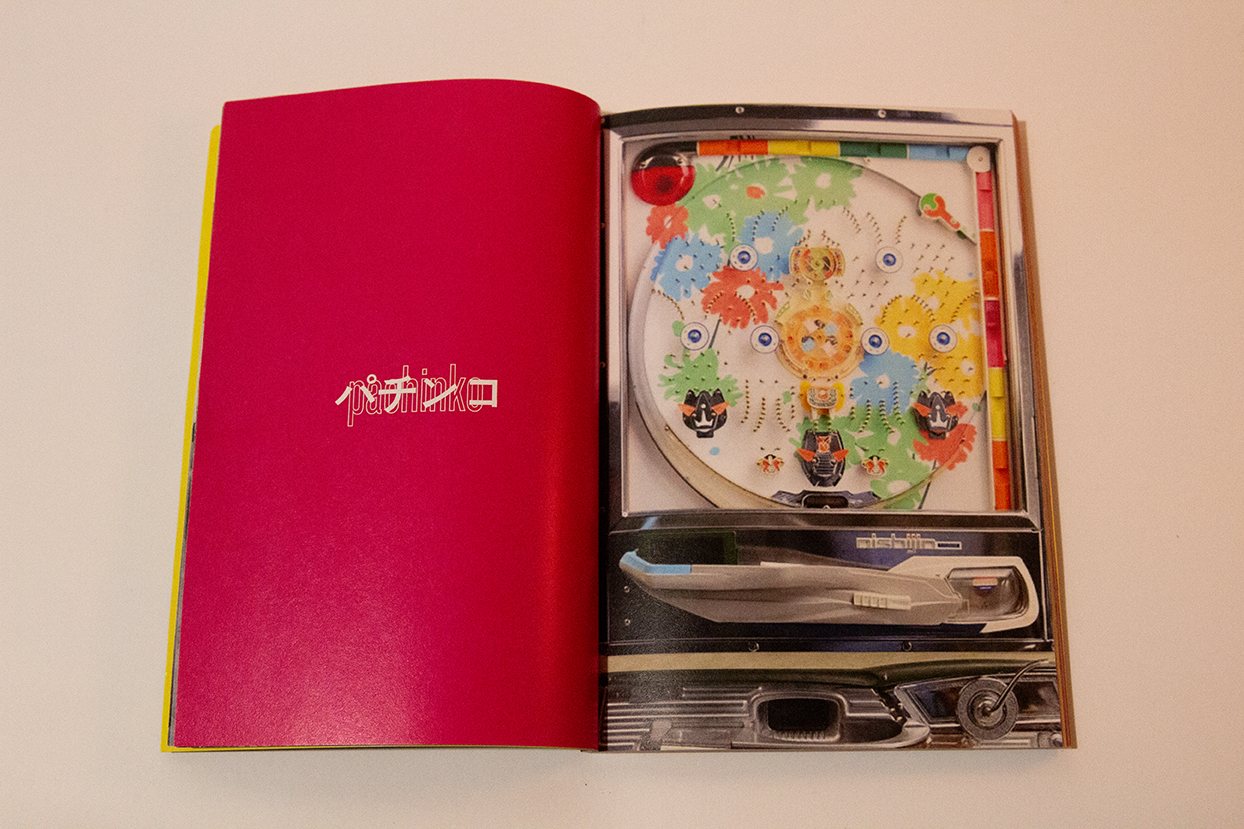
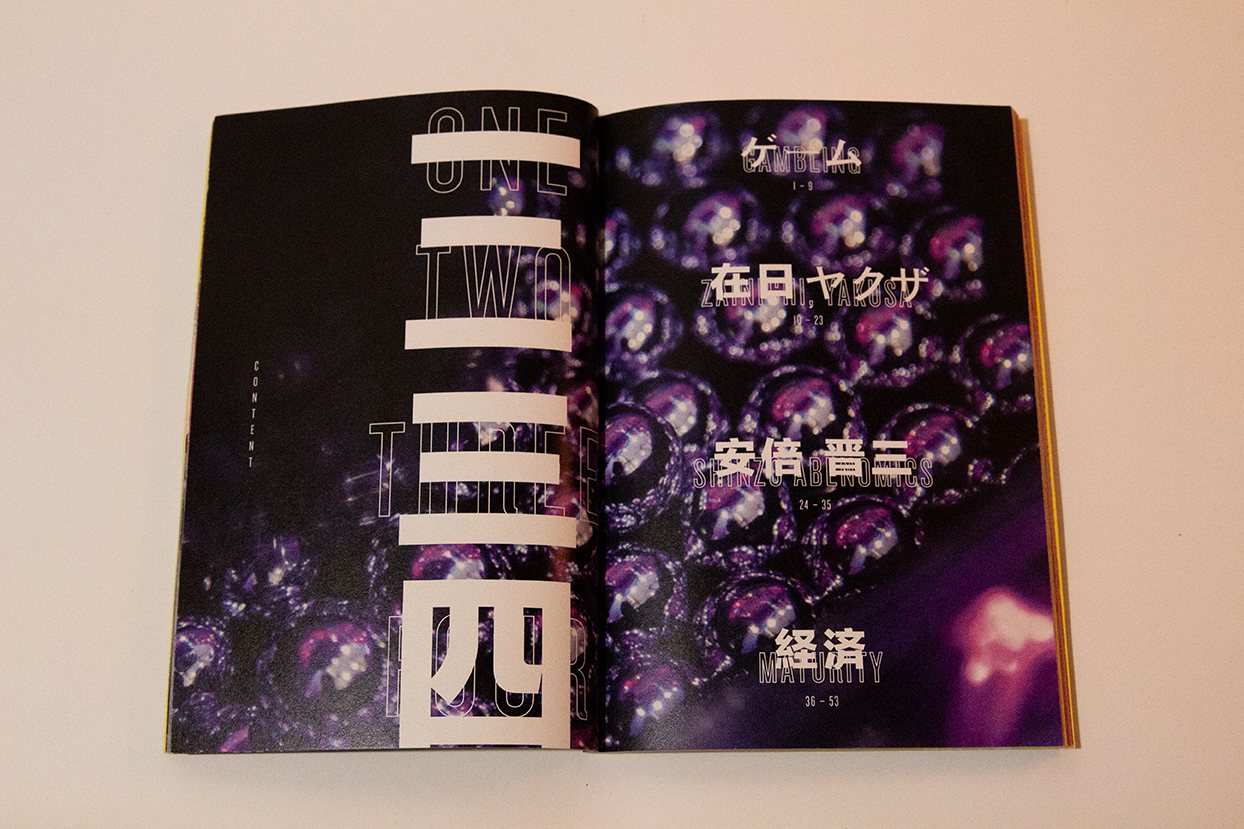
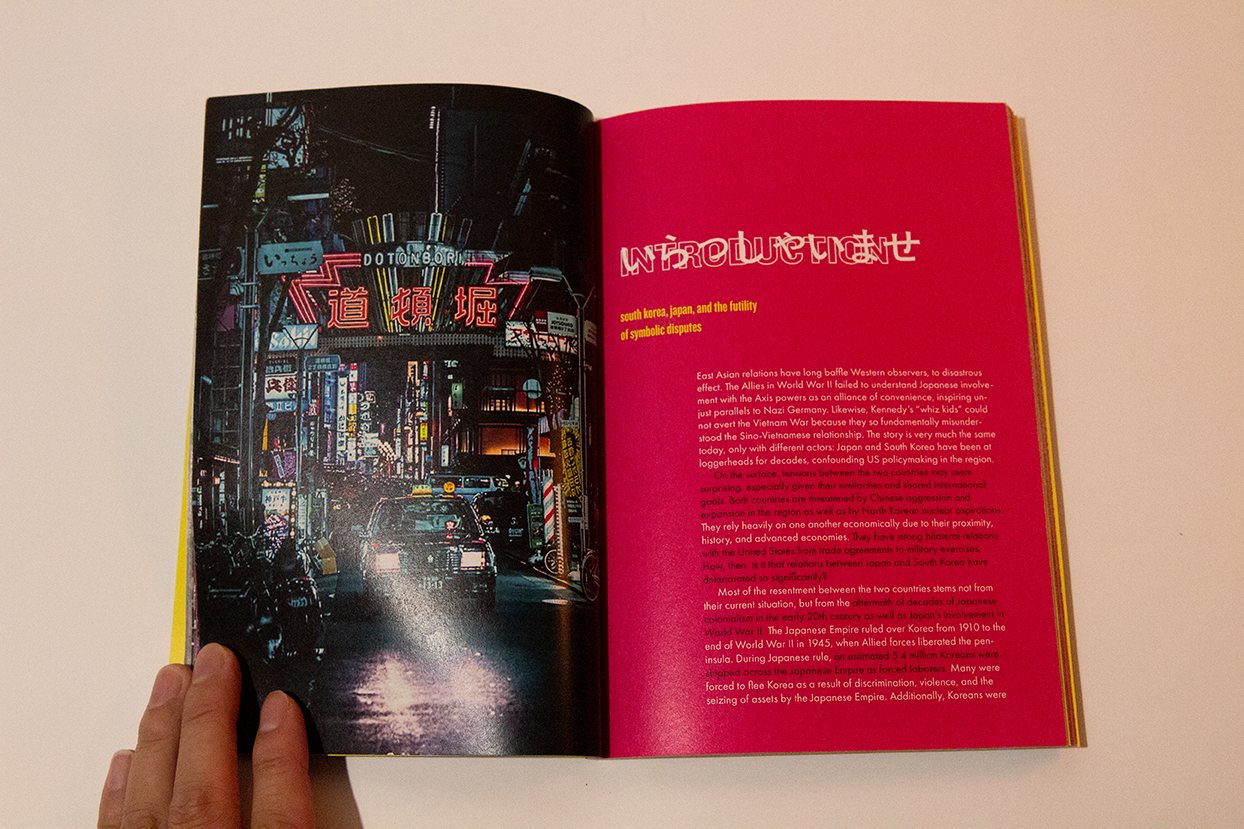
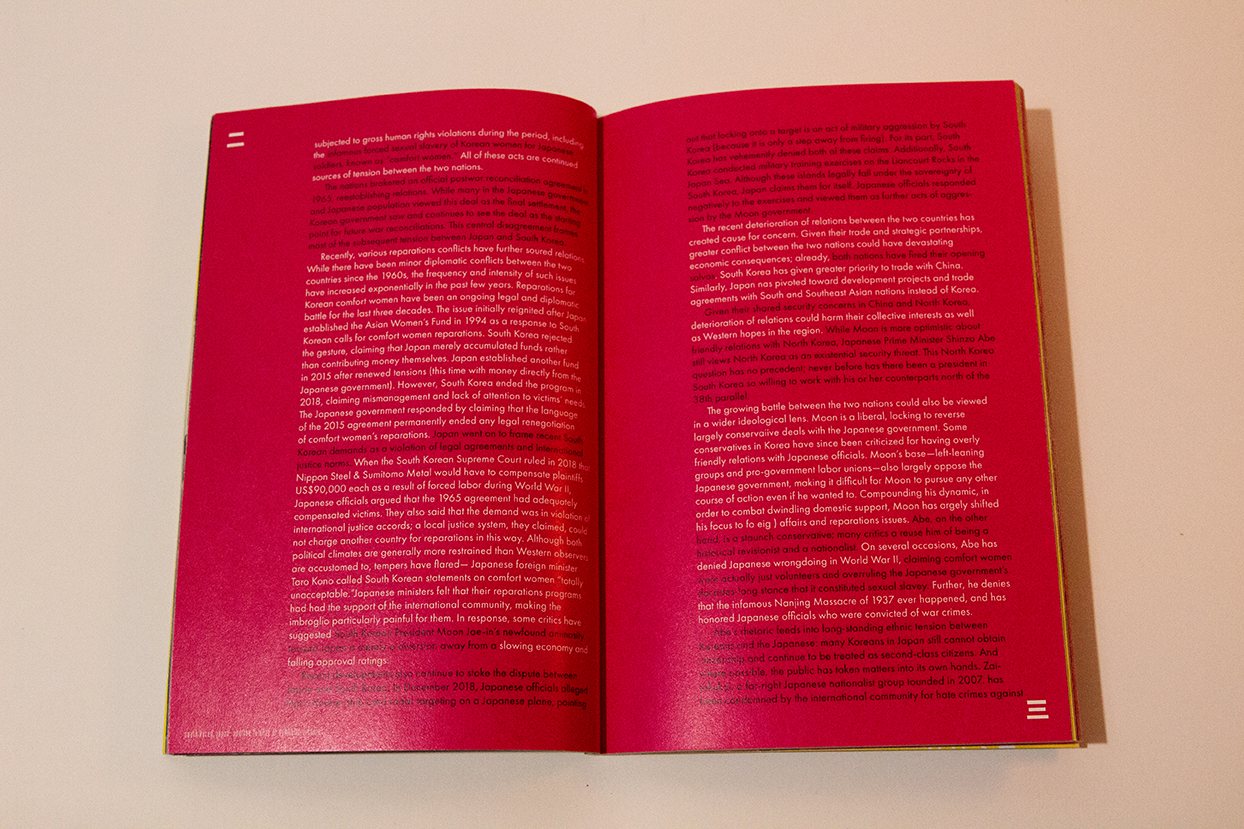
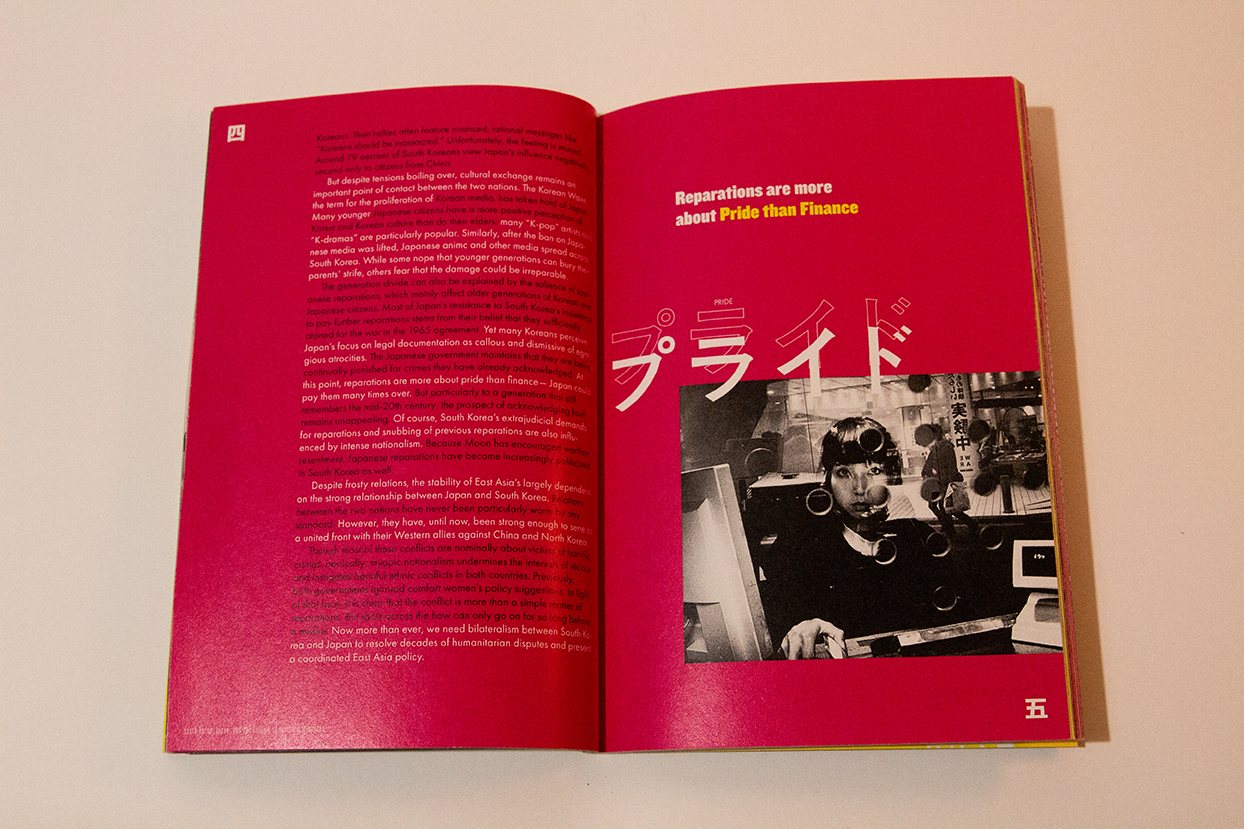
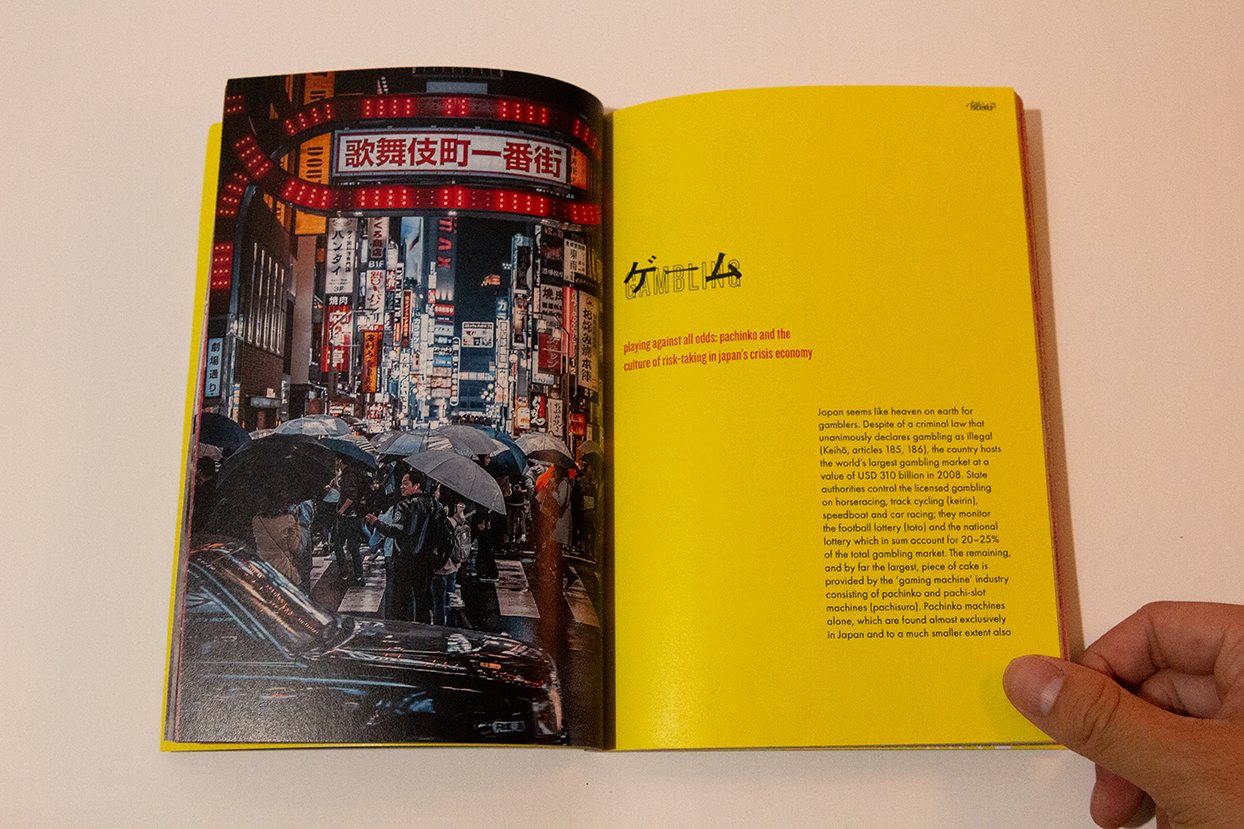
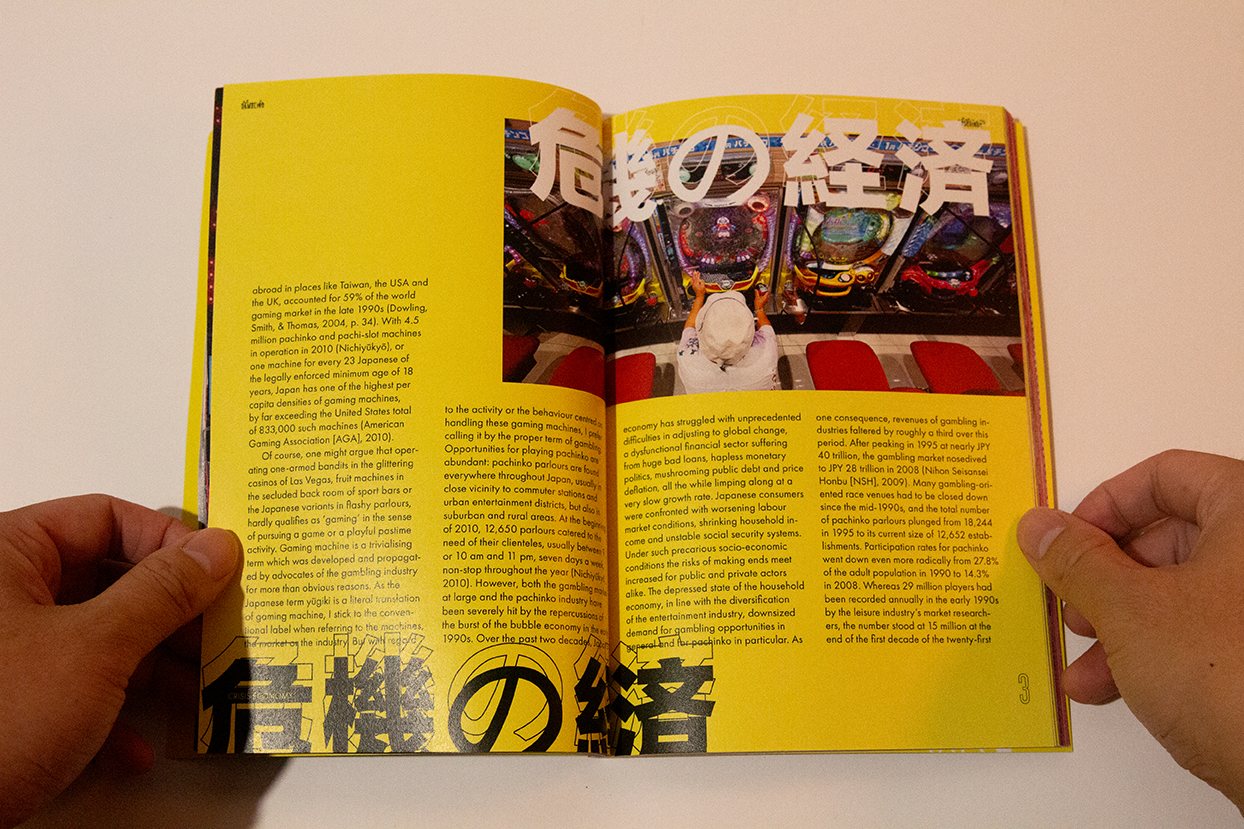
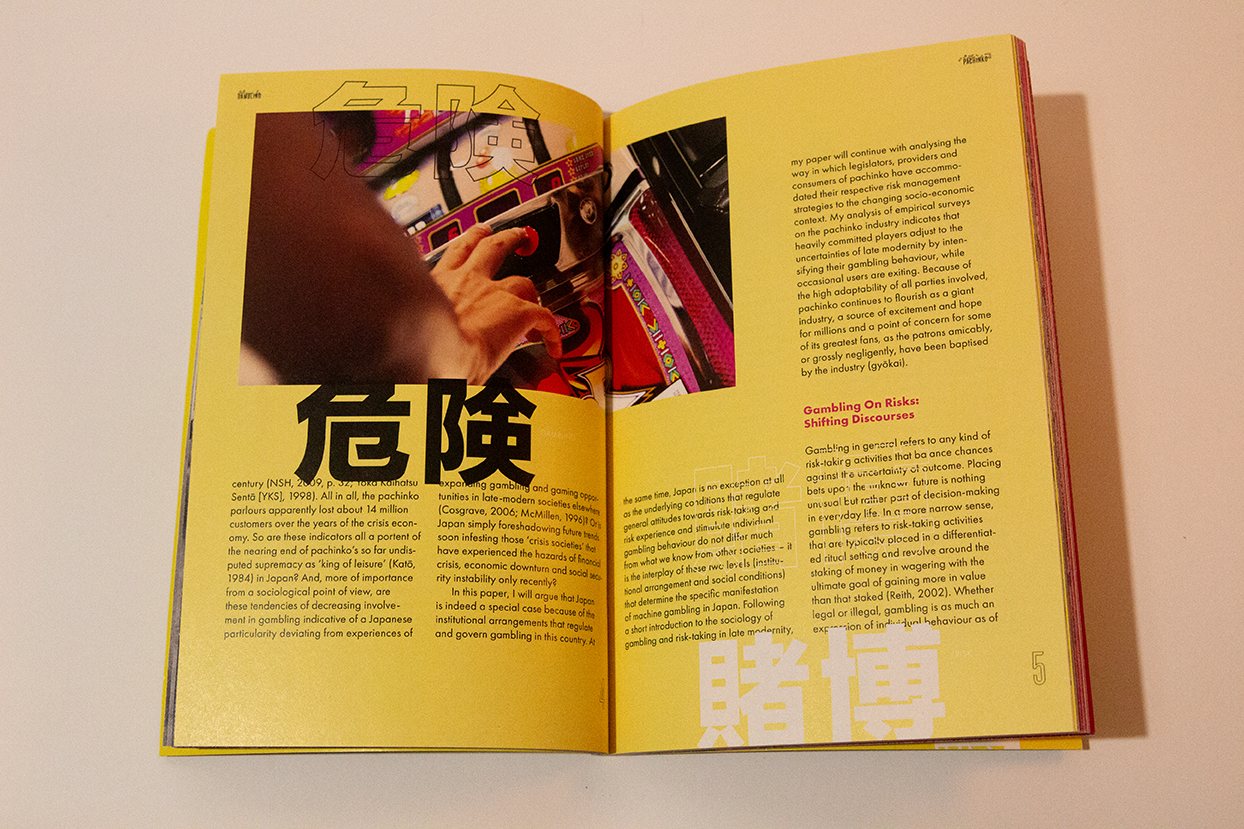
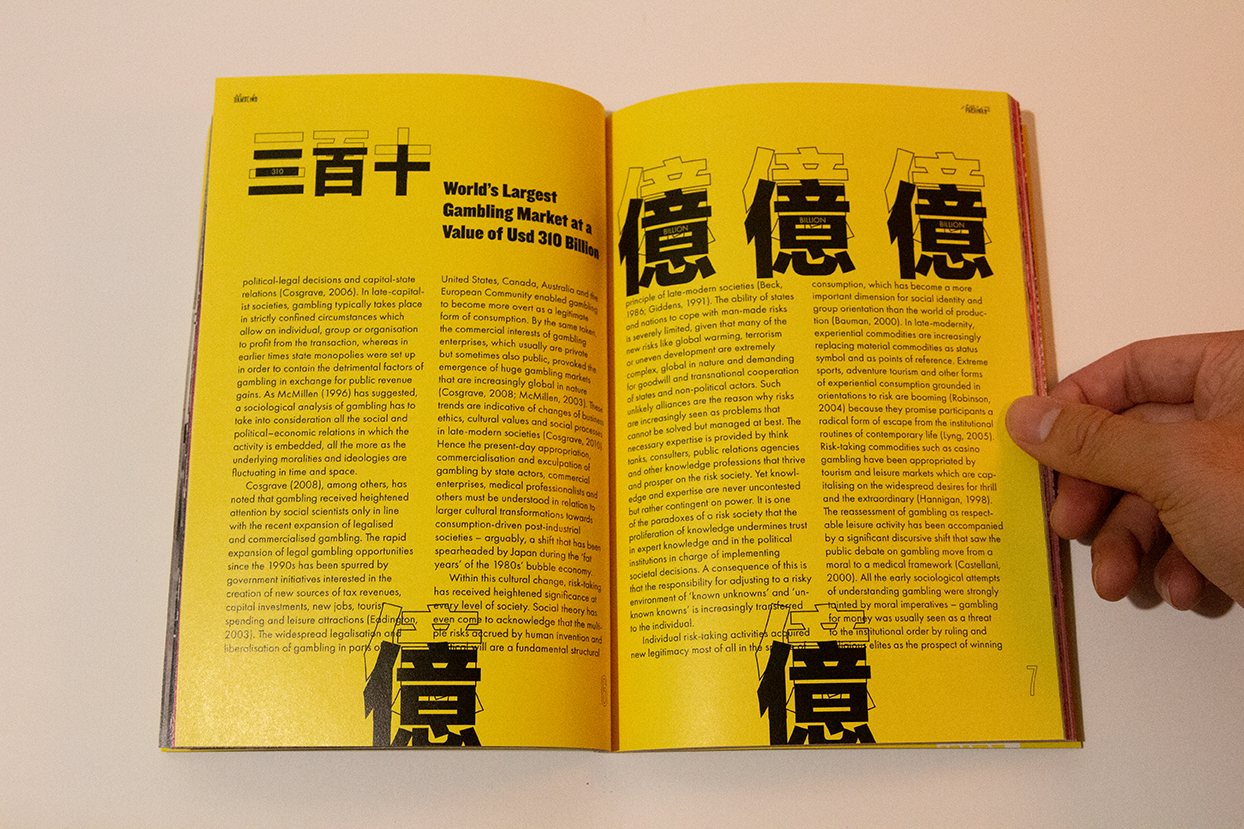
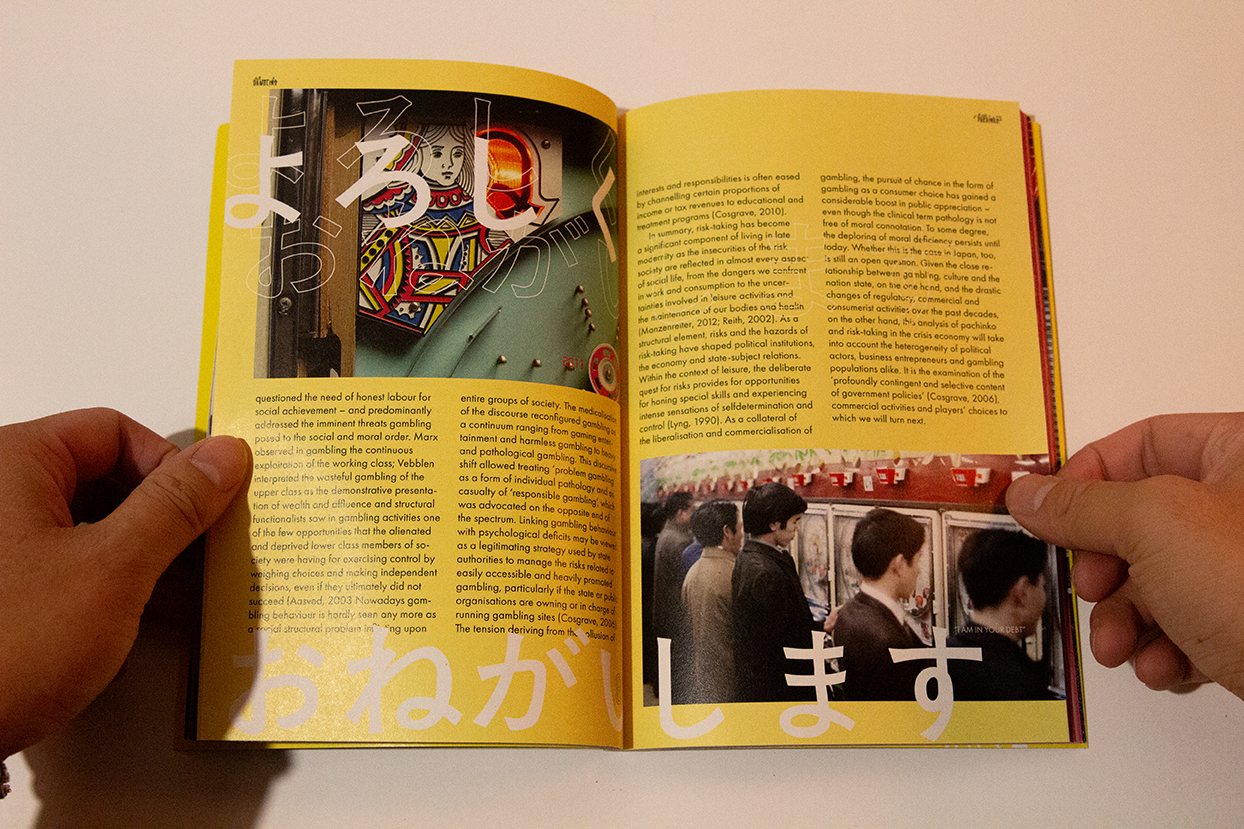
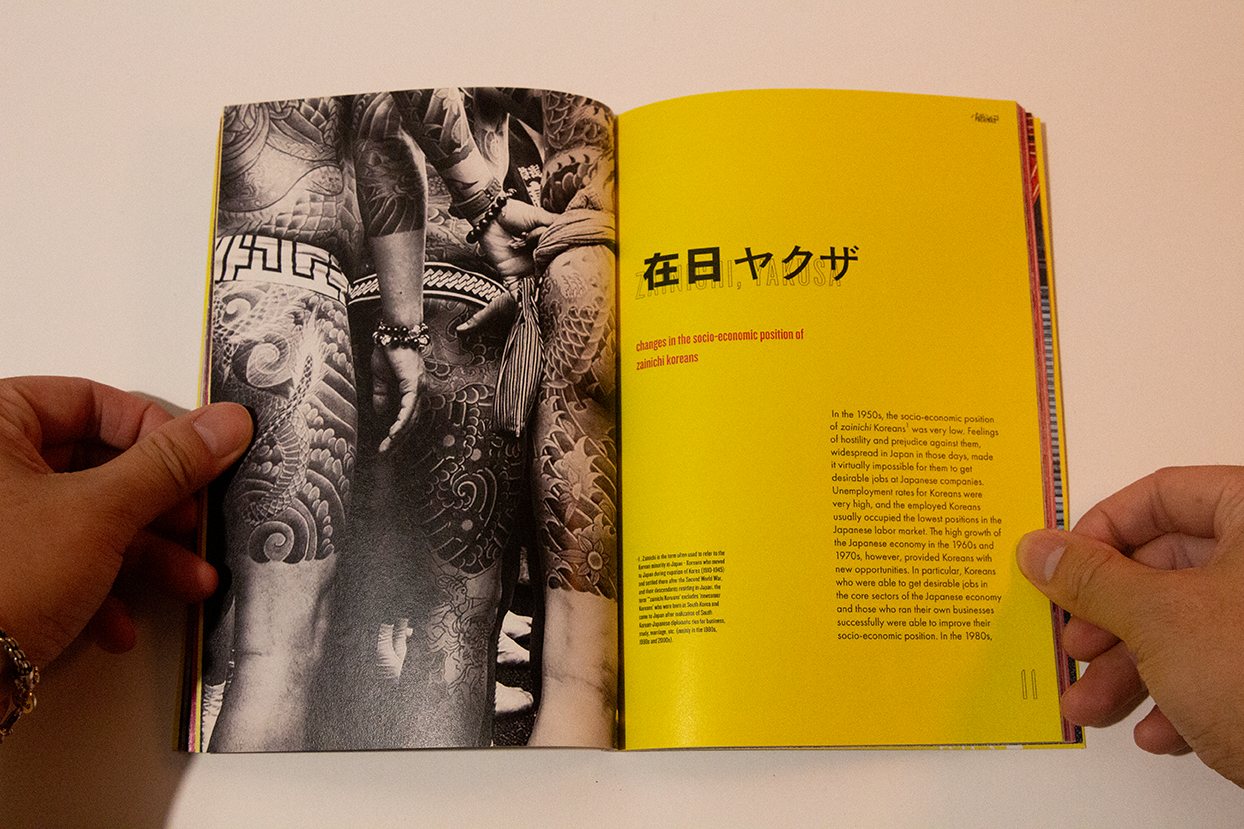
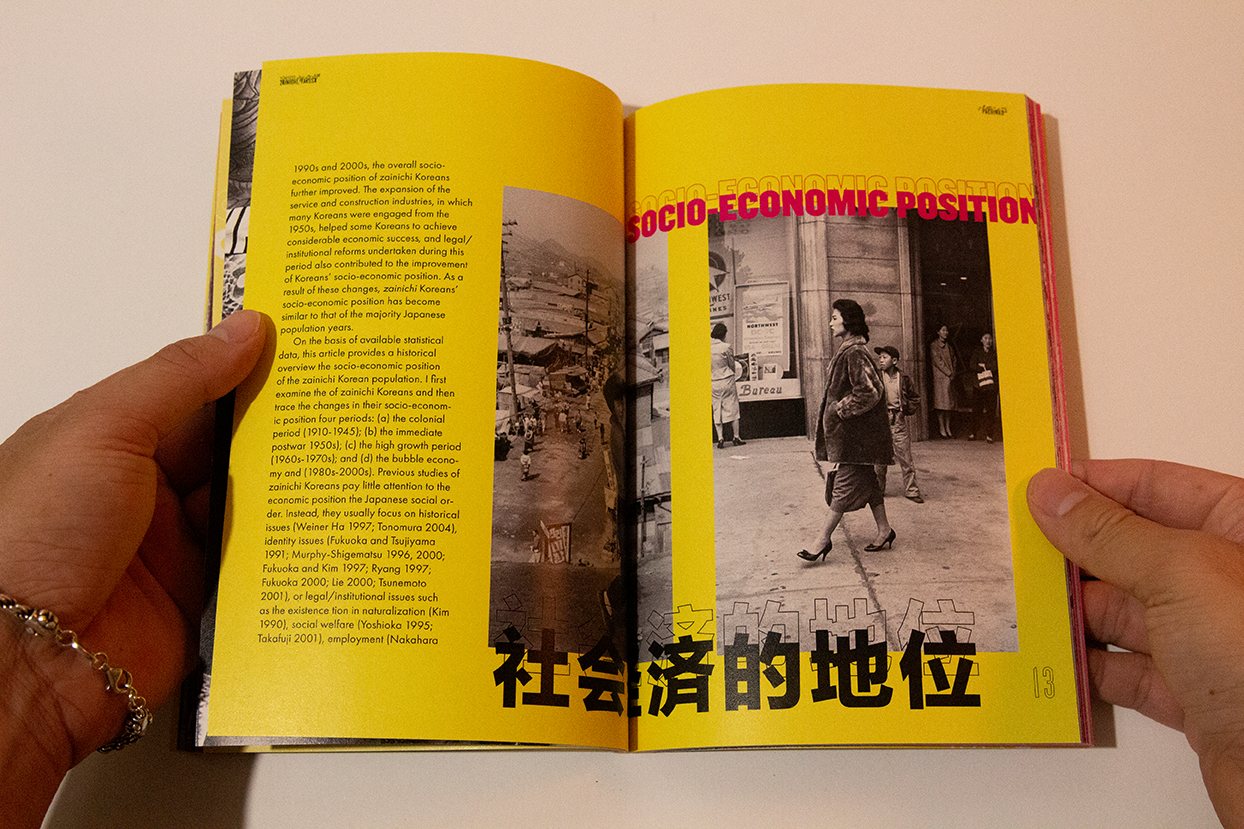
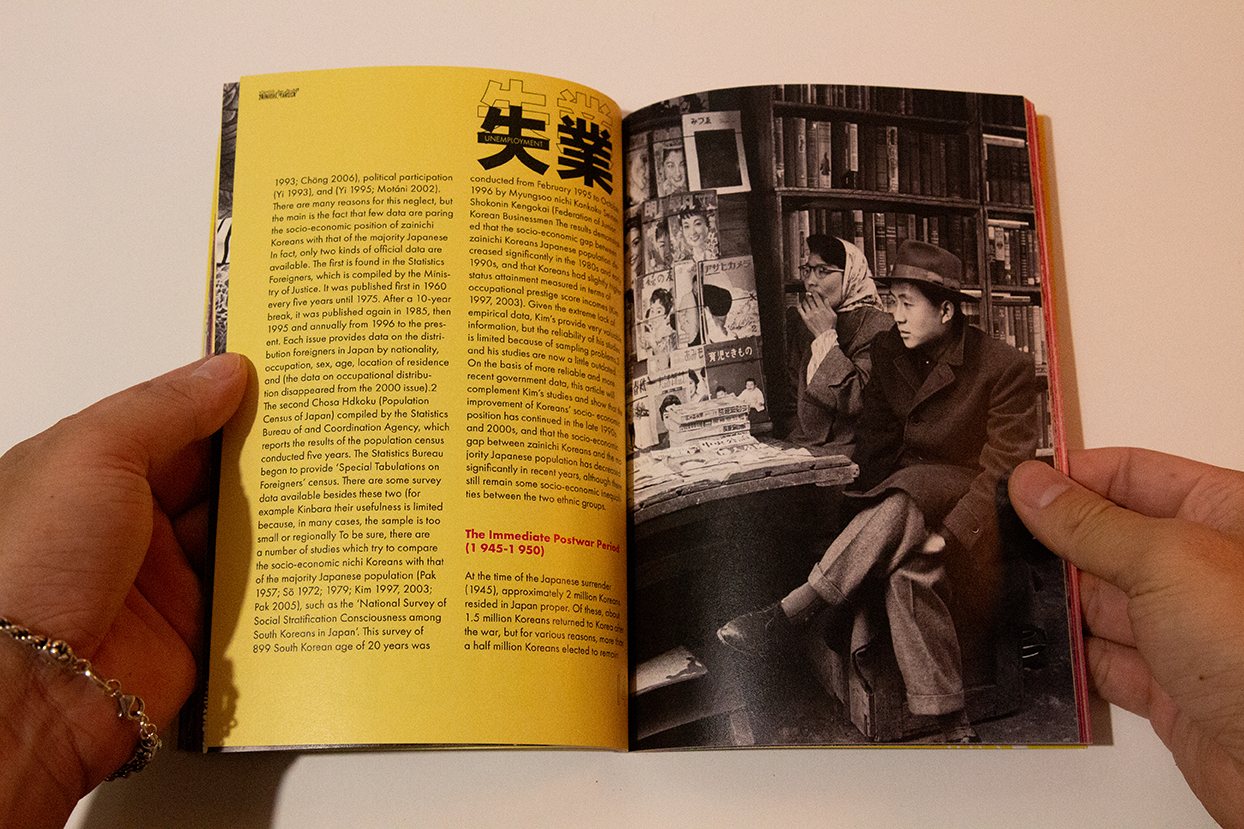
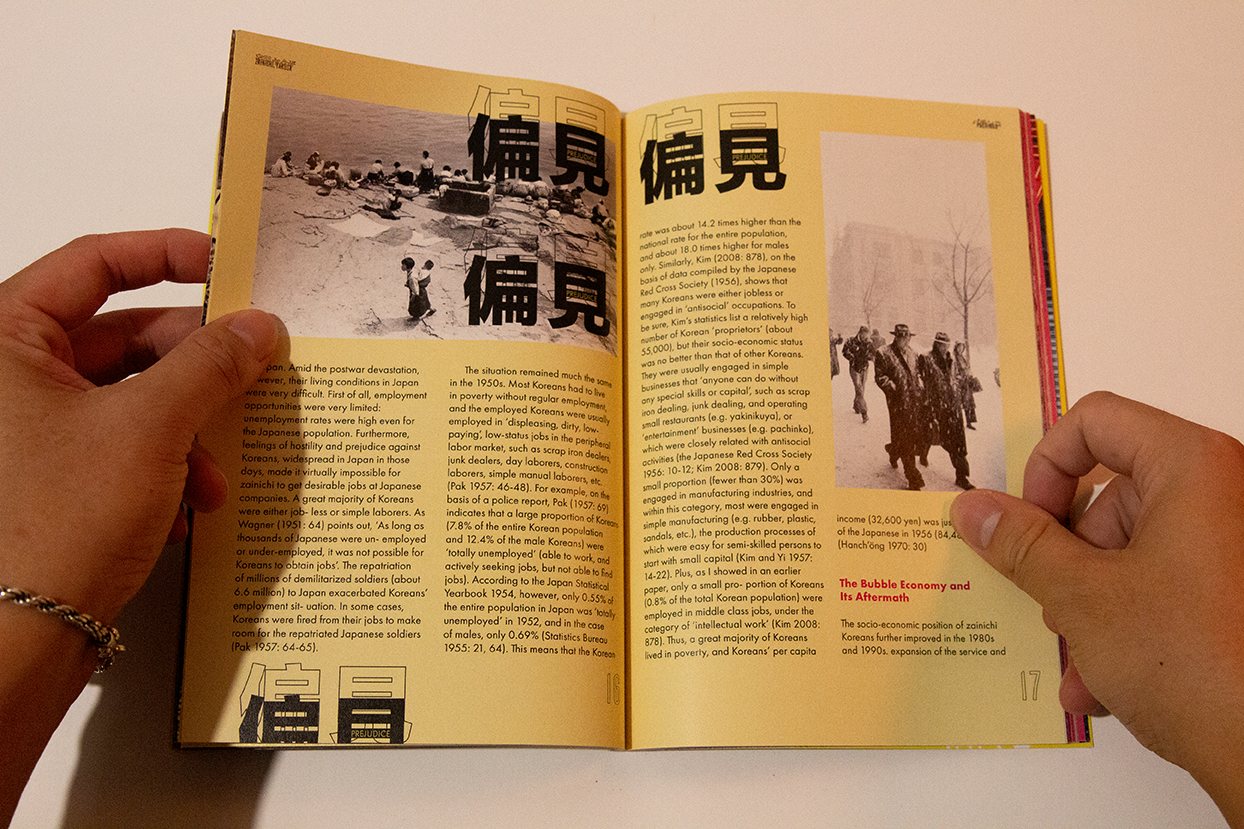
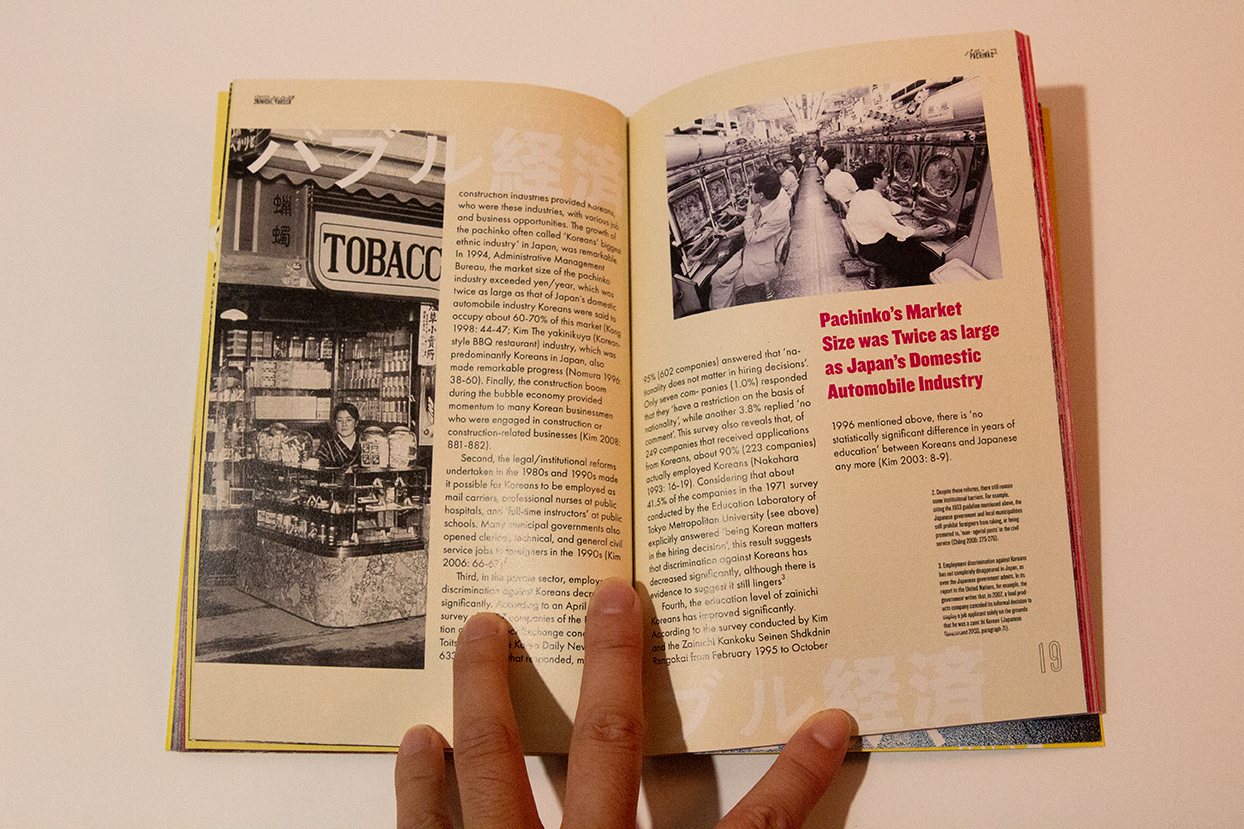
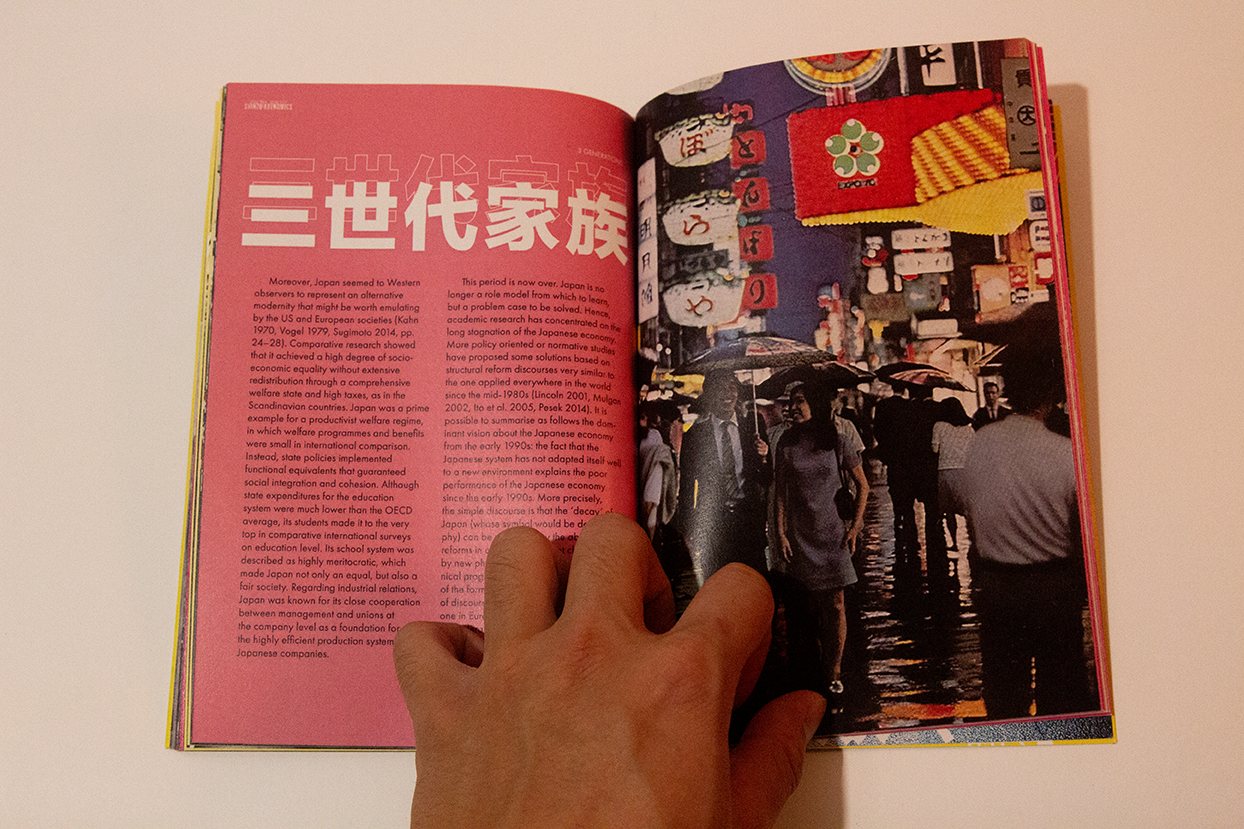
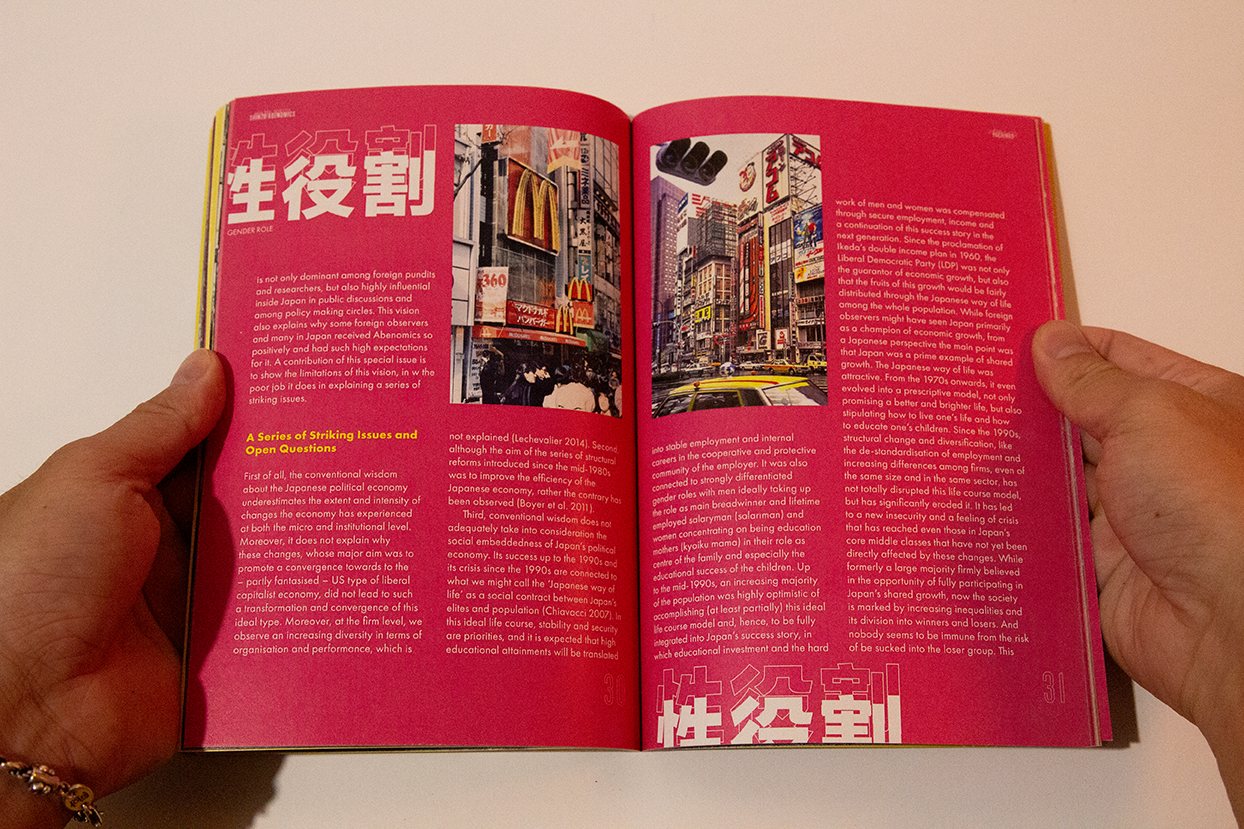
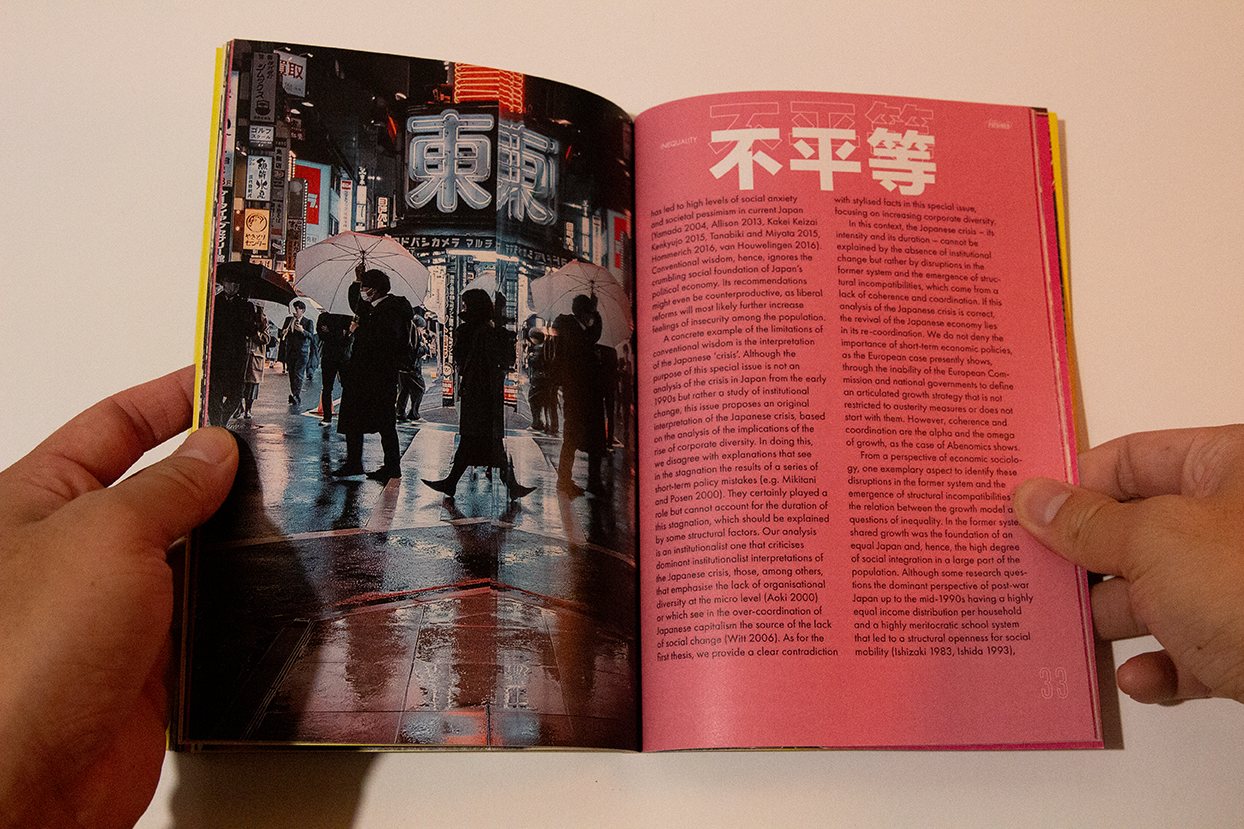
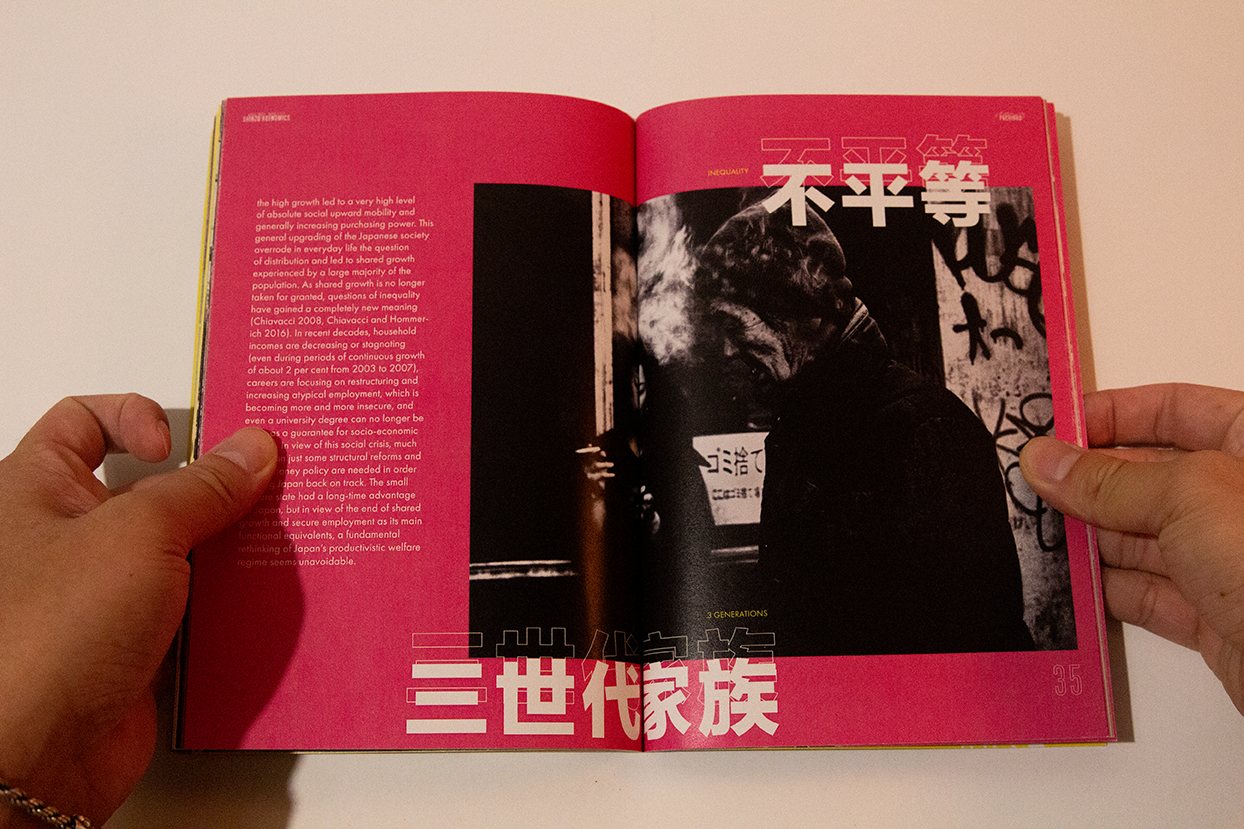
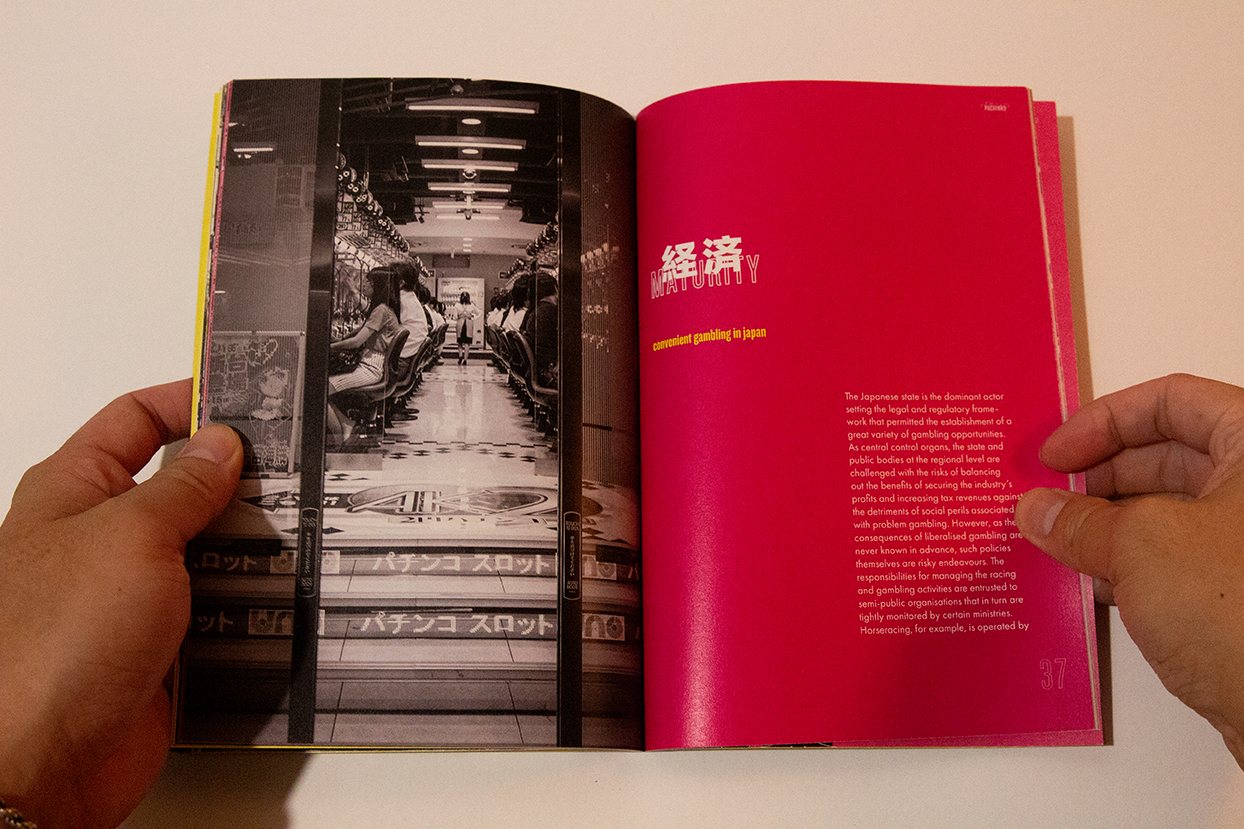
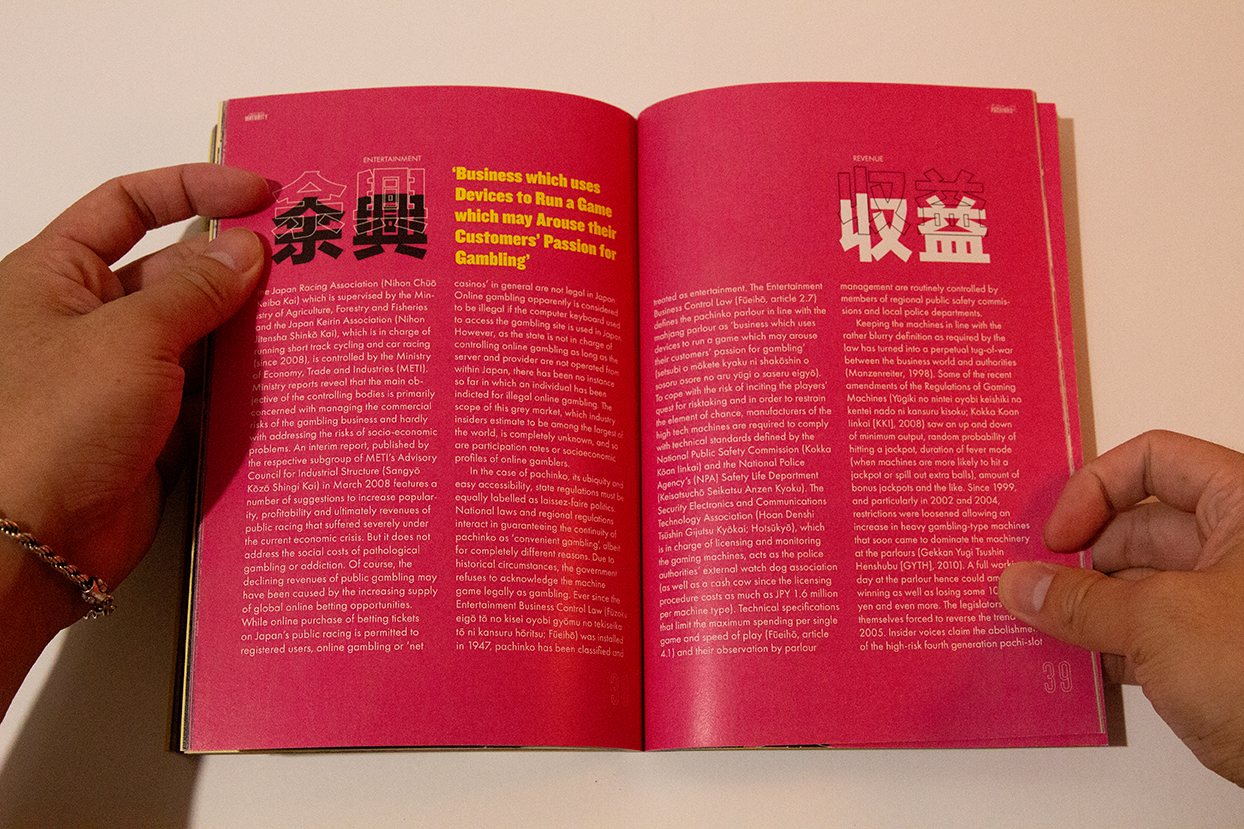
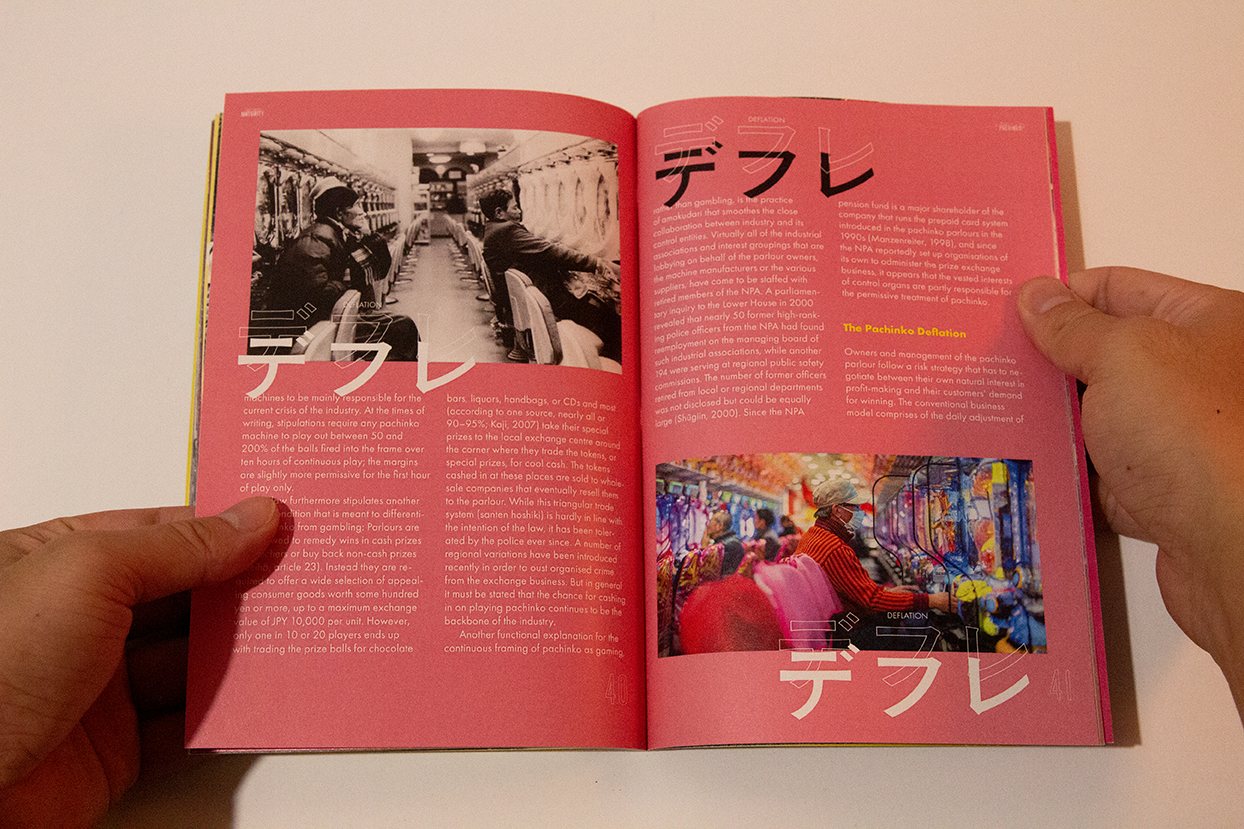
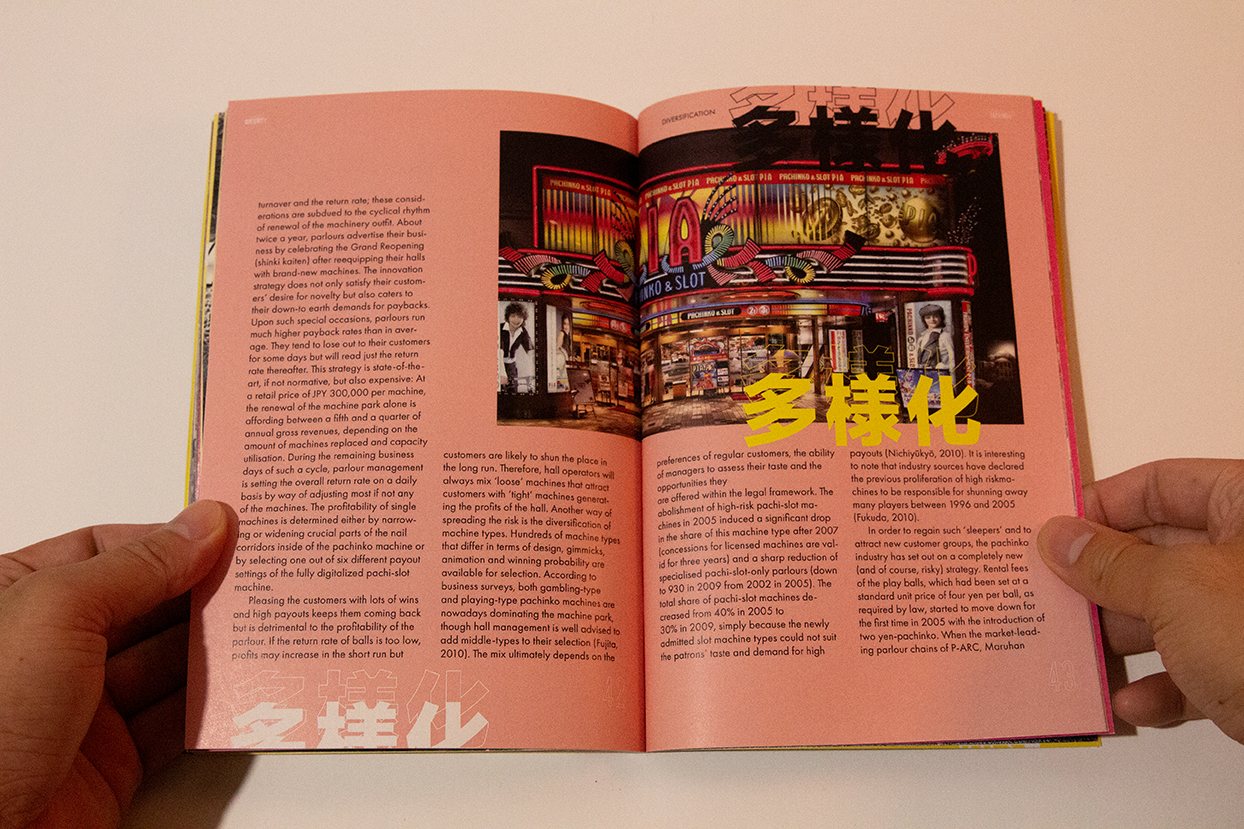
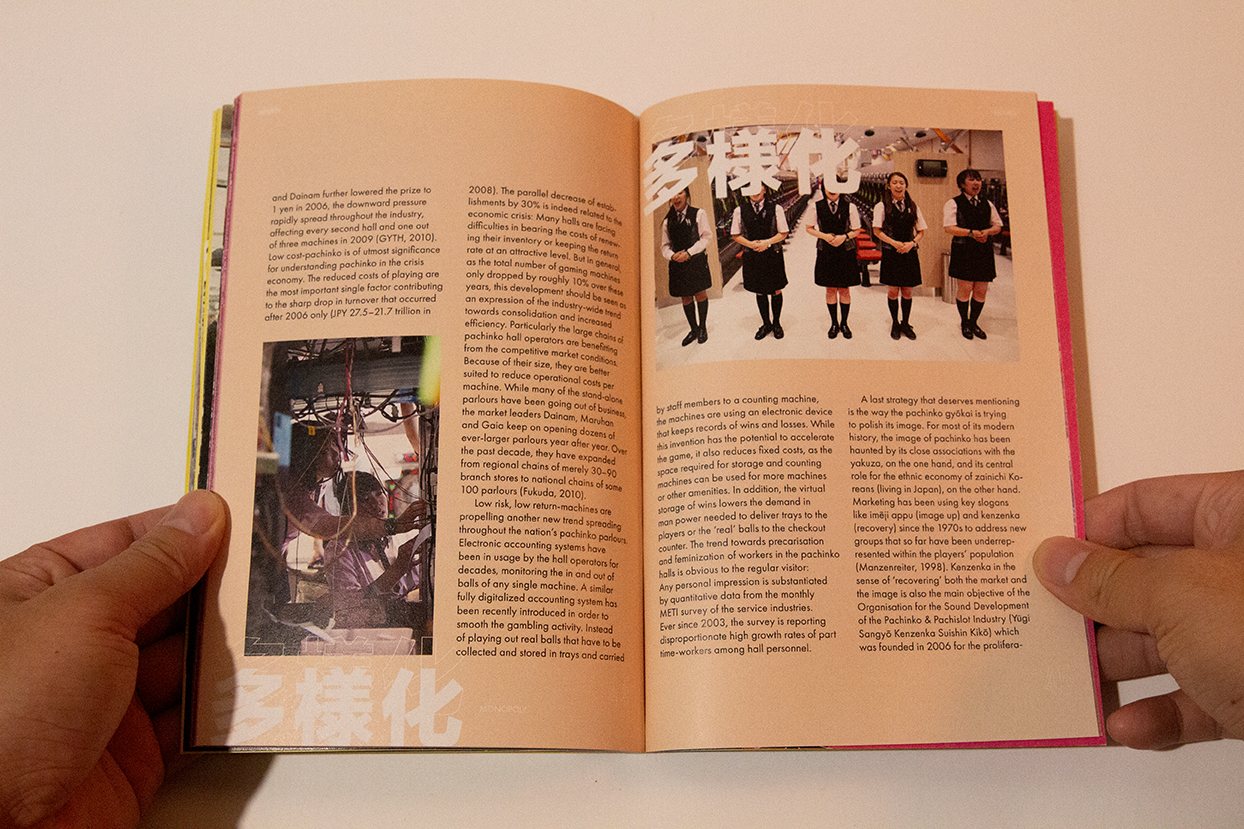
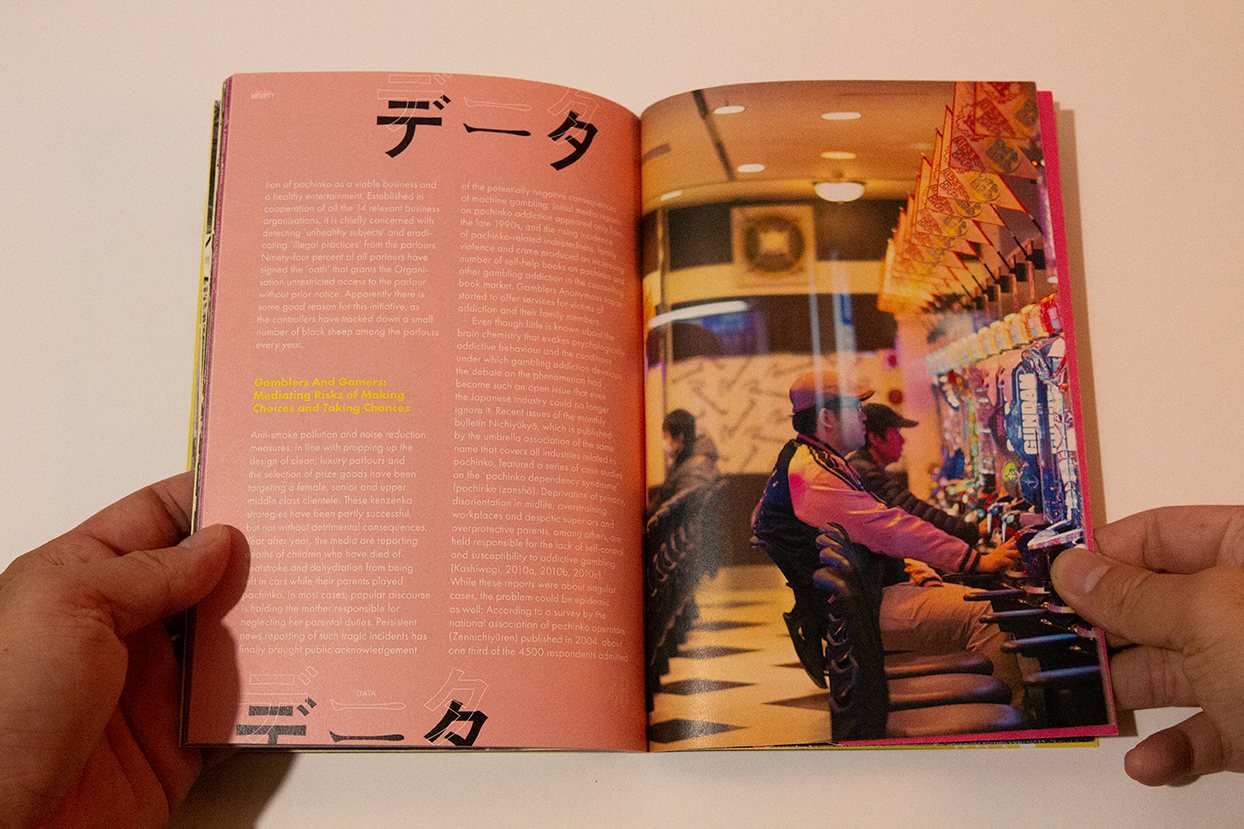
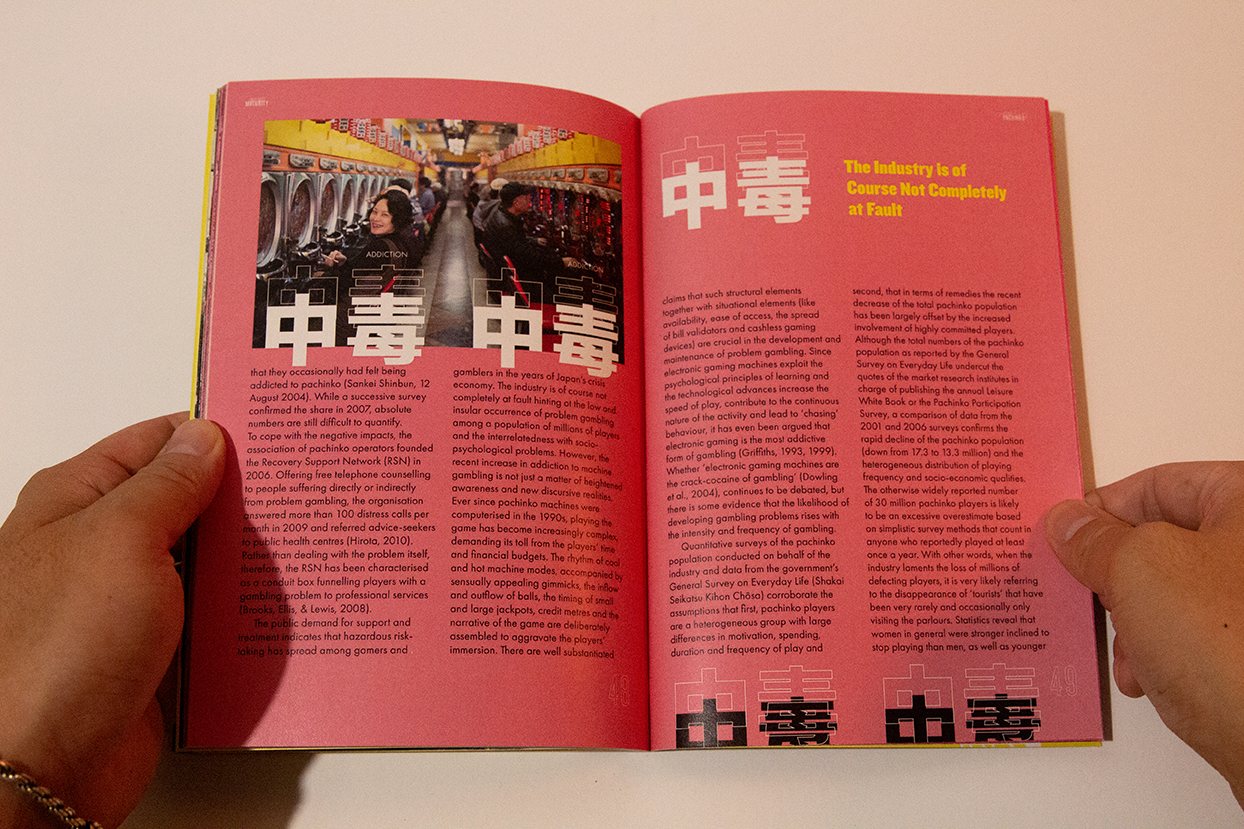
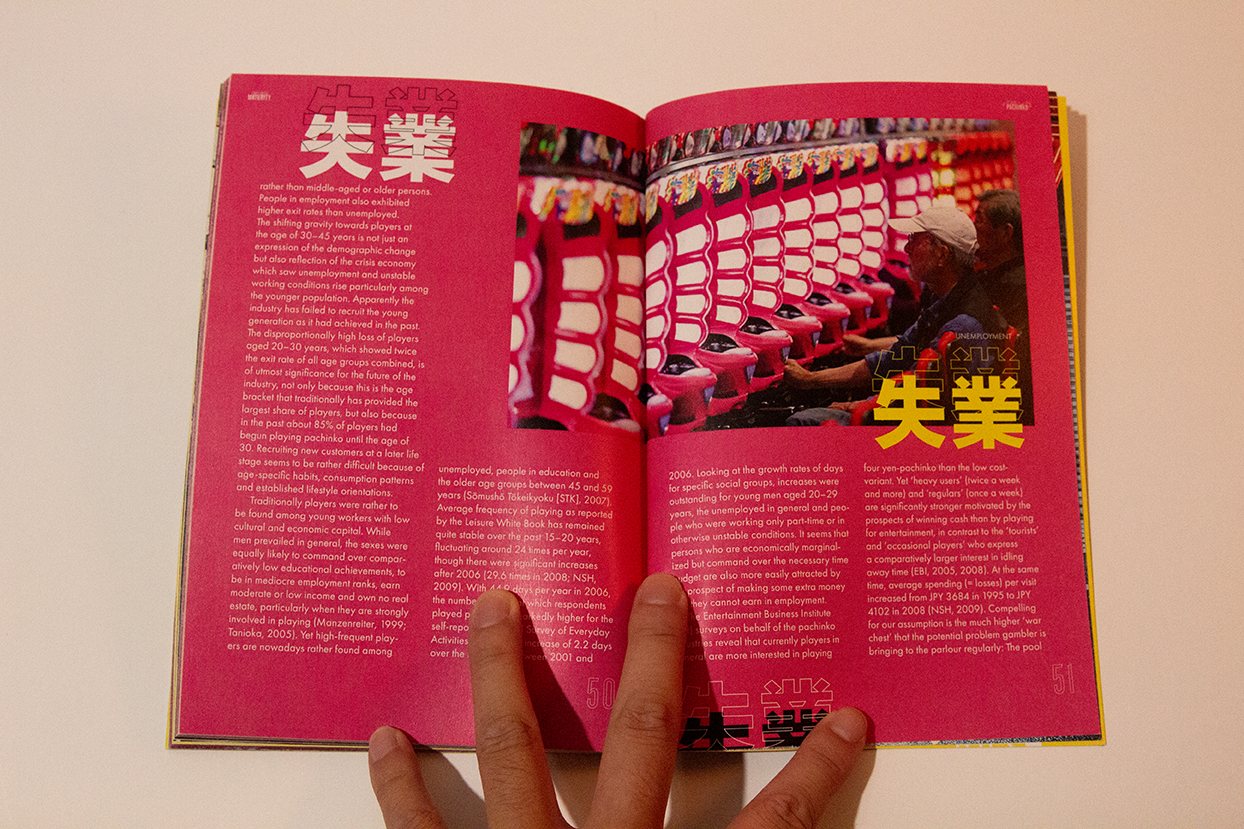
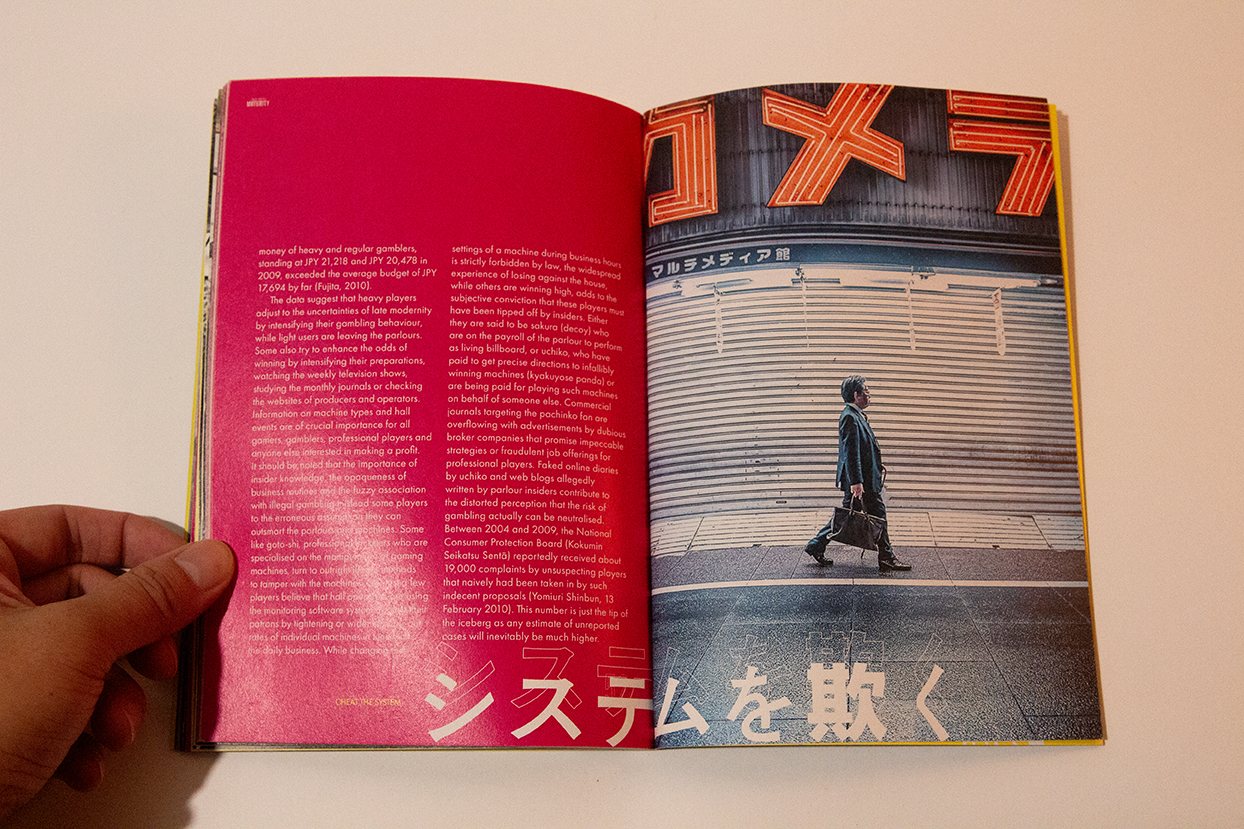
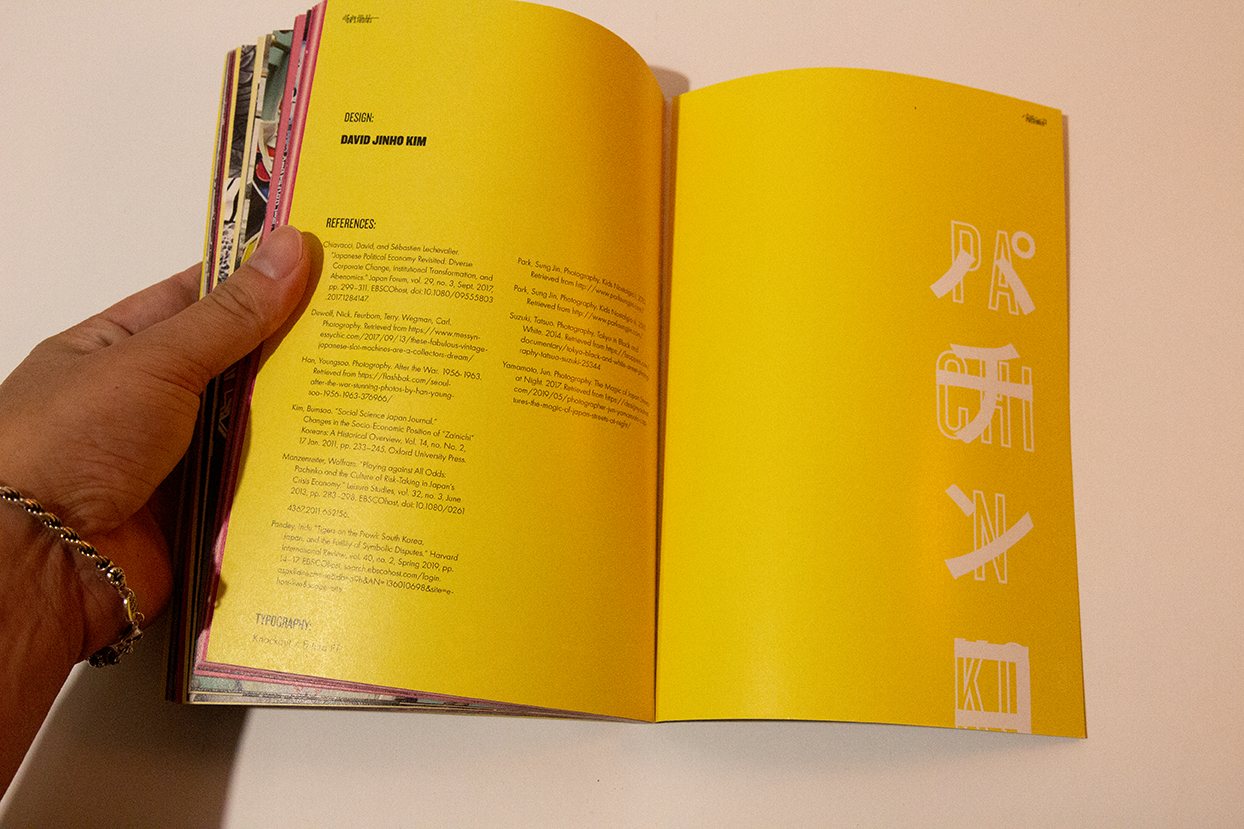
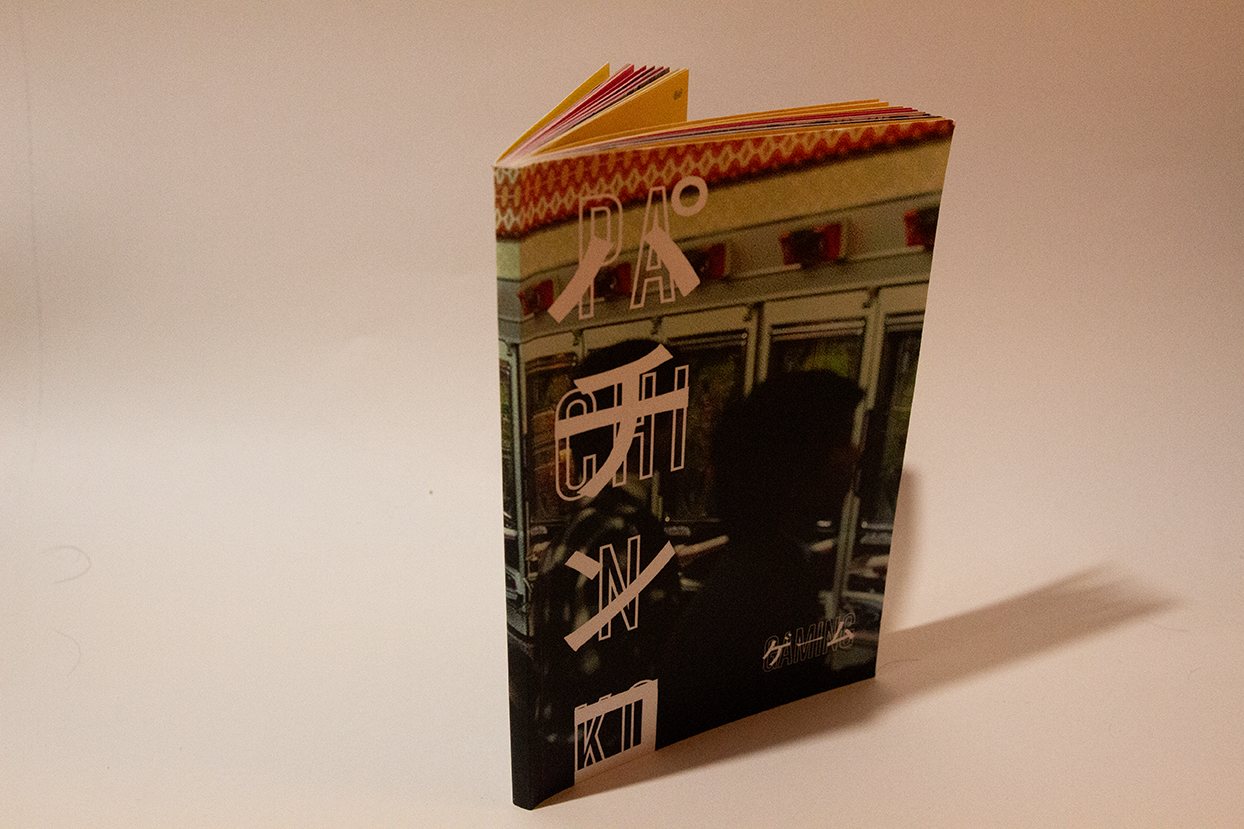
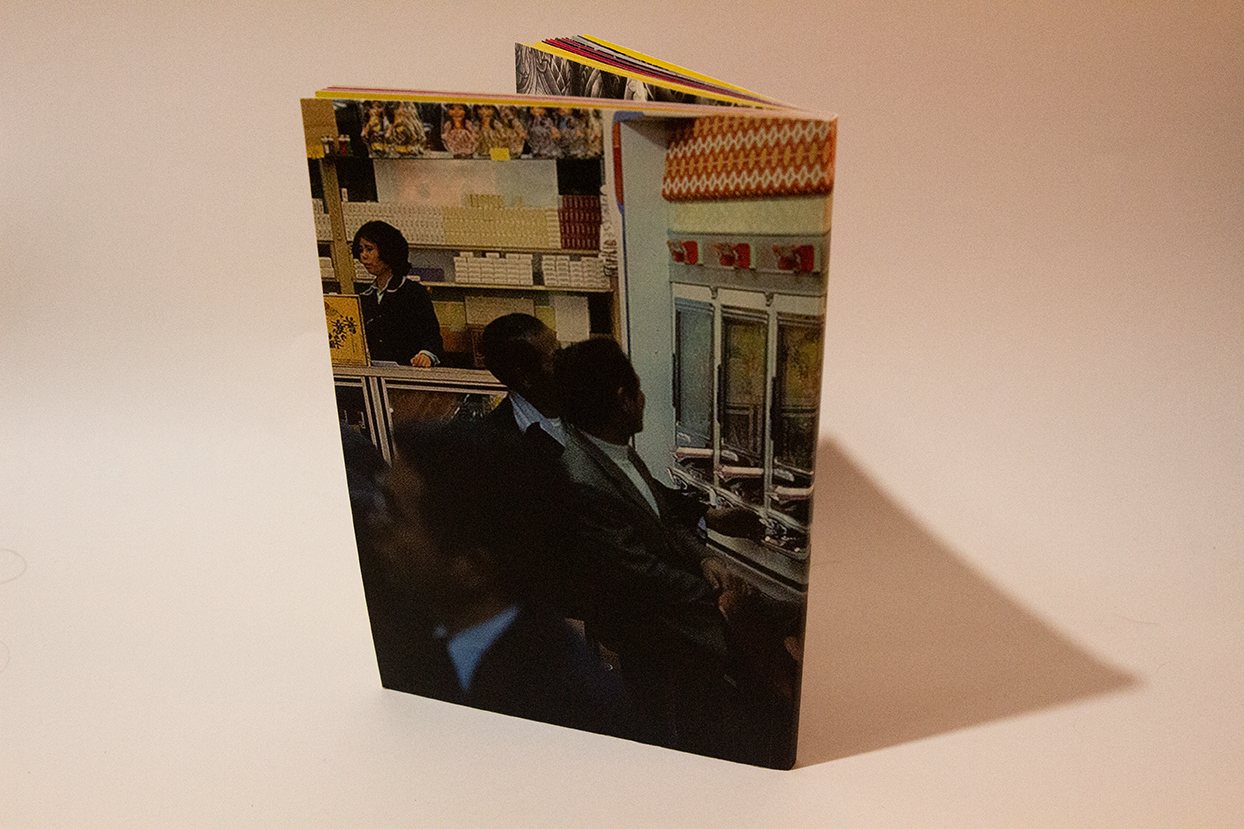
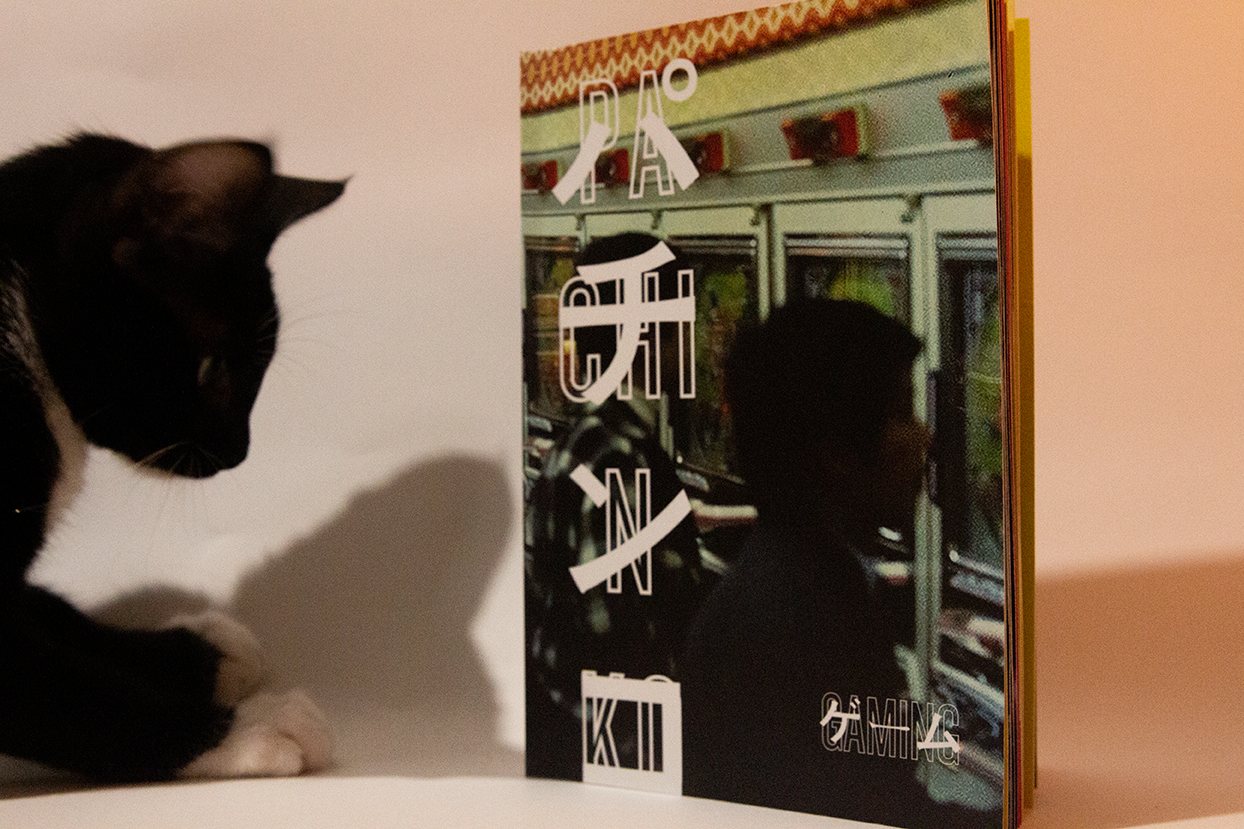
Pachinko publication Pachinko publication Pachinko publication Pachinko publication spread Pachinko publication spread Pachinko publication spread Pachinko publication spread Pachinko publication spread Pachinko publication spread Pachinko publication spread Pachinko publication spread Pachinko publication spread Pachinko publication spread Pachinko publication spread Pachinko publication spread Pachinko publication spread Pachinko publication spread Pachinko publication spread Pachinko publication spread Pachinko publication spread Pachinko publication spread Pachinko publication spread Pachinko publication spread Pachinko publication spread Pachinko publication spread Pachinko publication spread Pachinko publication spread Pachinko publication spread Pachinko publication spread Pachinko publication spread Pachinko publication spread Pachinko publication spread Pachinko publication spread Pachinko publication spread Pachinko publication spread Pachinko publication spread Pachinko publication spread Pachinko publication spread Pachinko publication spread Pachinko publication spread Pachinko publication spread Pachinko publication spread Pachinko publication spread Pachinko publication spread Pachinko publication spread Pachinko publication spread

Editorial Design

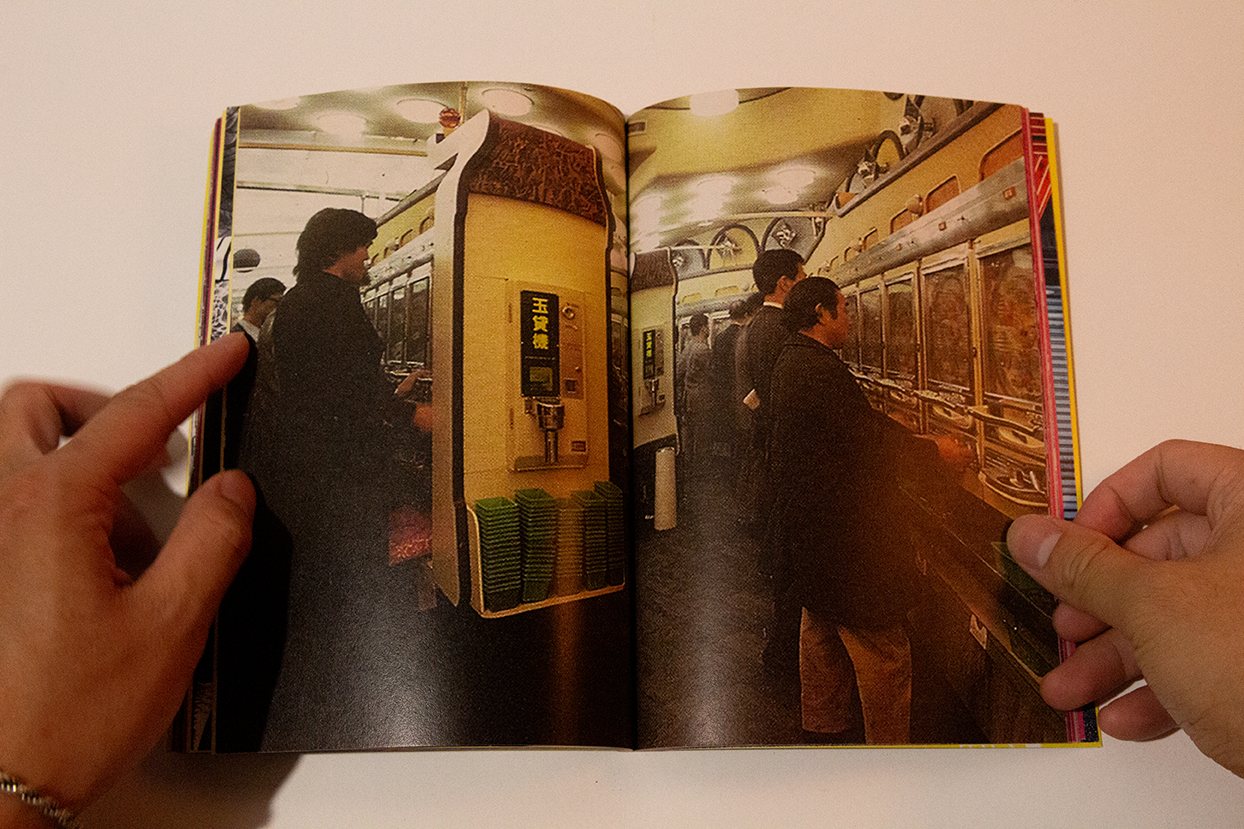
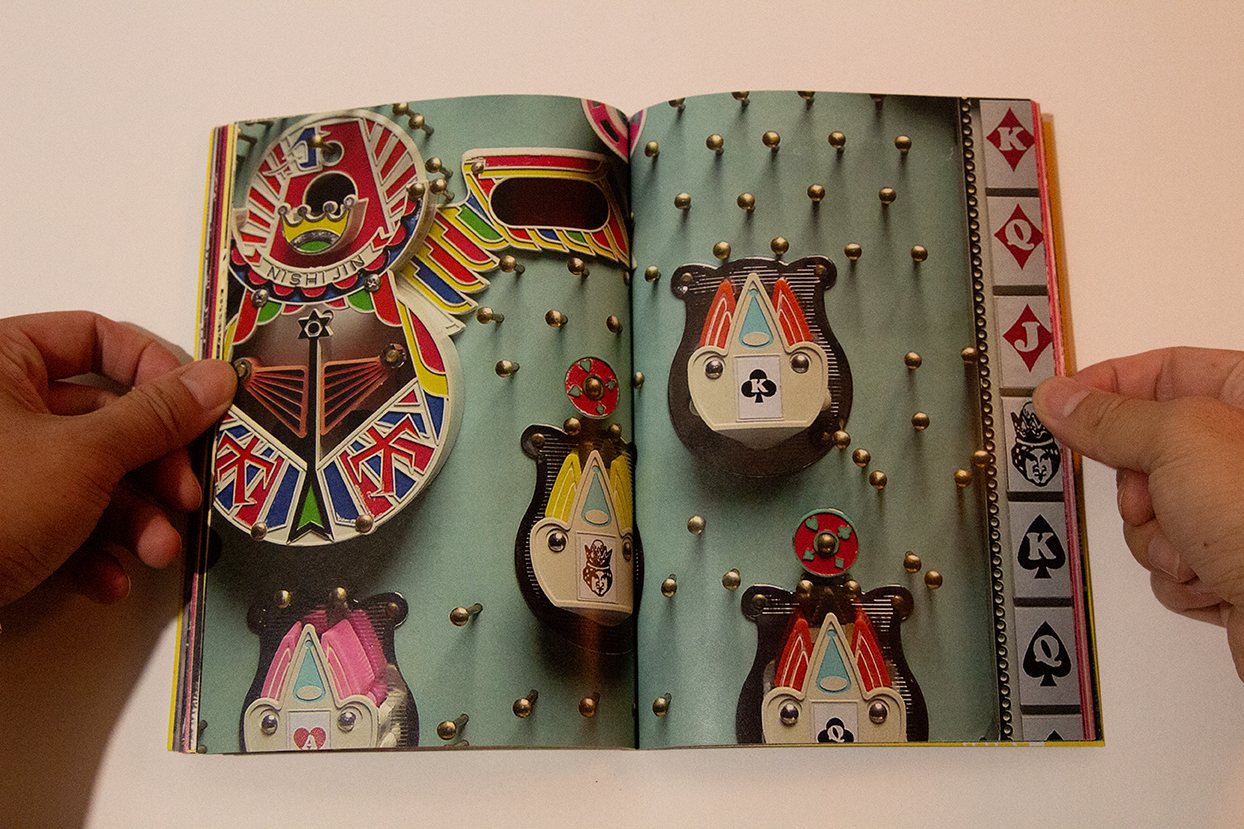
A slot machine that isn’t gambling, but rather a system of gaming that can change one’s savings into daily allowance. Pachinko is a “gaming” slot machine that is ubiquitous and culturally accepted to be a leisure activity that brings in $310 billion revenue in Japan. Pachinko brings in more annual revenue than casinos in Singapore, Macao, and Las Vegas put together. Although the game of chance is played by most of the population in Japan, Pachinko hasn’t changed the livelihood of the players nor has it increased the Japanese economy in the past 3 decades.

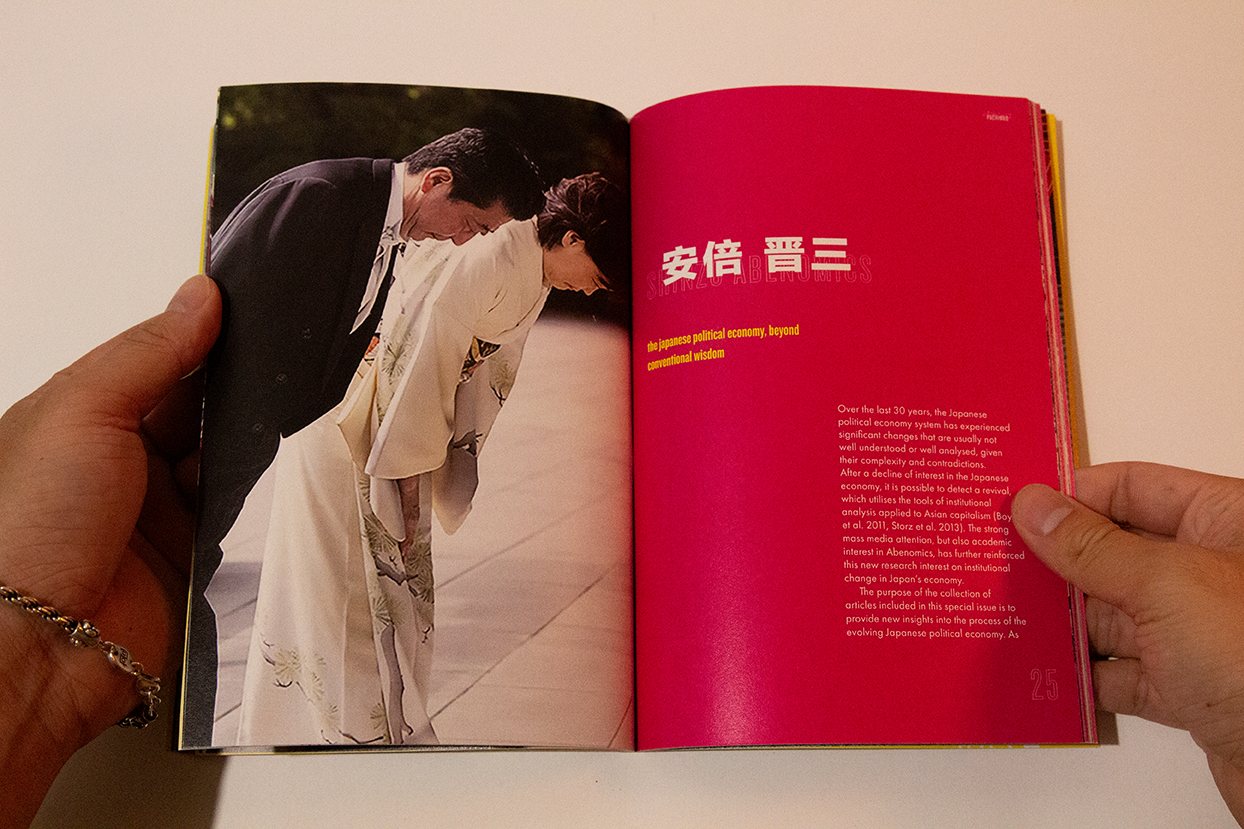
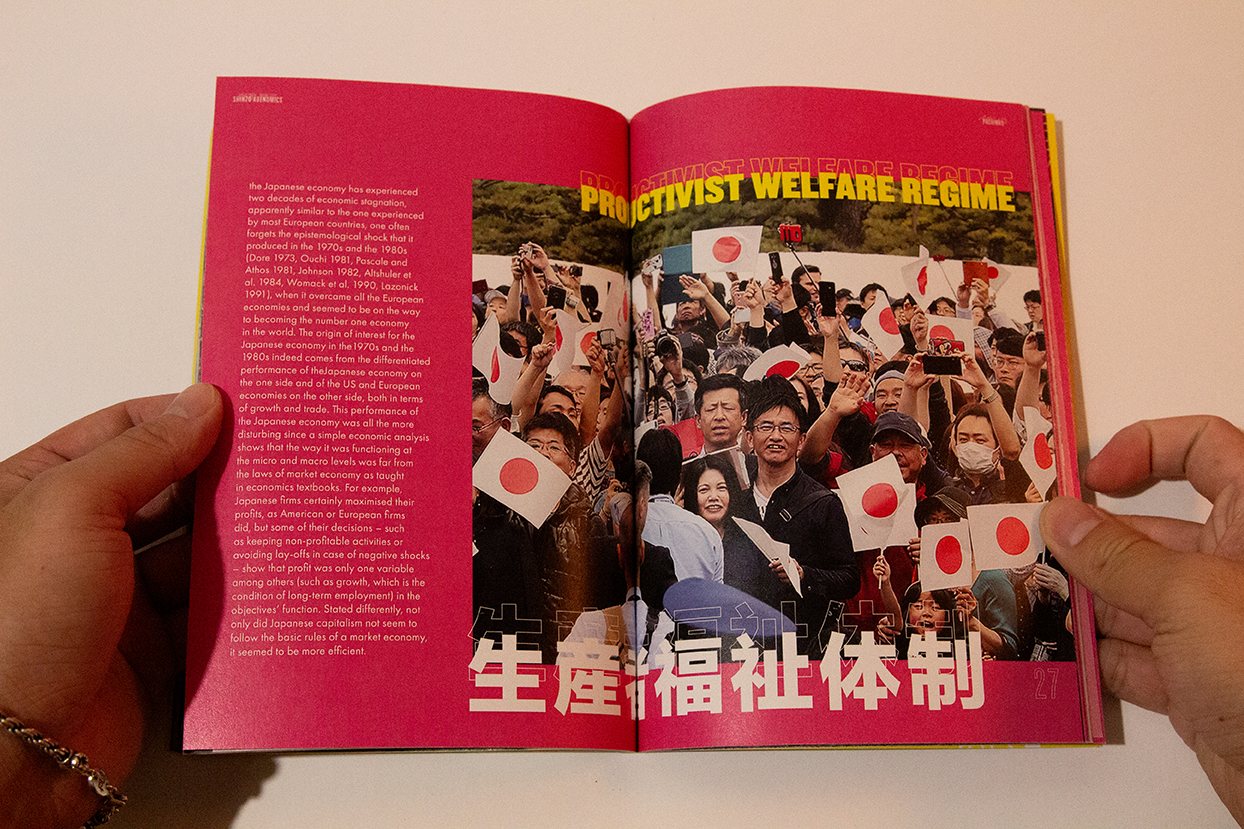
Pachinko, however, peaked in 1998 creating an economic boom, but the economy was still about to pop its bubble. The game Pachinko may have its downfall in personal economics, but economically has sustained the economy. Though as well brings burden in the culture reverting people into higher debts. Not everything is the way as it seems with pachinko. People commonly are told that pachinko, kickstarting from the Yakuza, comes from a dark underground world, but it is not in its totality true. Pachinko is a family business that may have been influenced and started by the Yakuza, but is actually run by Zainichi Koreans who experienced the tragedies of Japanese imperialism and the Korean War. Zainichis (foreigners that hold residence in Japan) were segregated and not given legal permits to work. They were paid under the minimum wage, leading them to working behind the scenes.

The publication Pachinko explores the identity of Pachinko — a matured business with two sides. Pachinko’s relationship with the Japanese culture, economy, and government is like the relationship between Korea and Japan. The cultures are magnets. Polar opposites that push and refuse each other, but are ever so similar that they attract and intertwine.